Ethnographic Texts Through the Lens of AI: Translating Chokan Valikhanov’s Works into English and Developing Effective Prompts
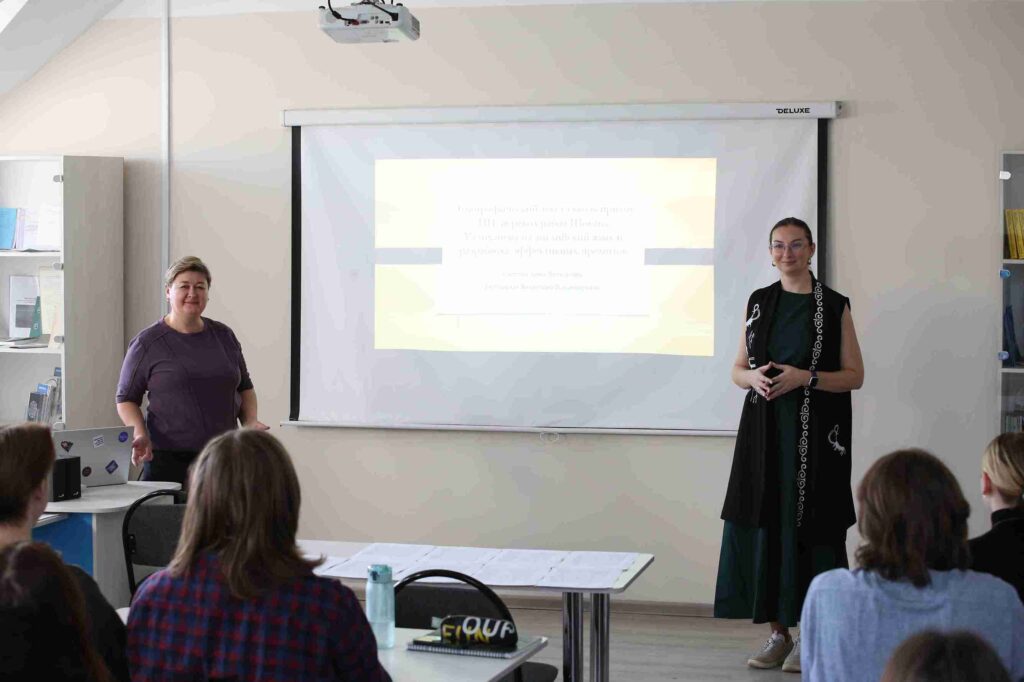
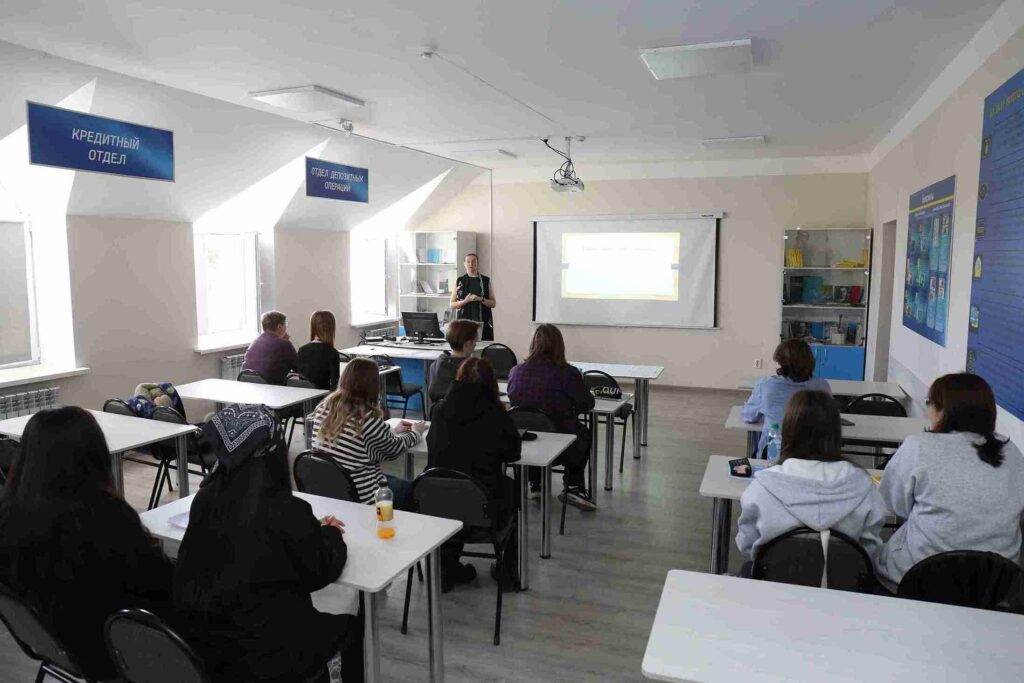
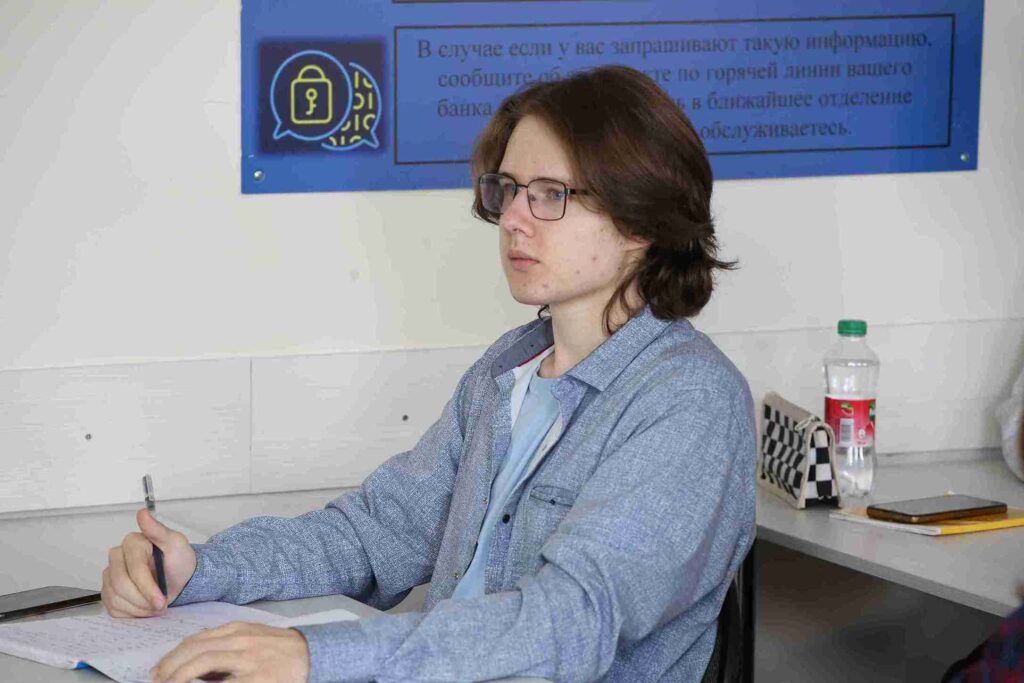
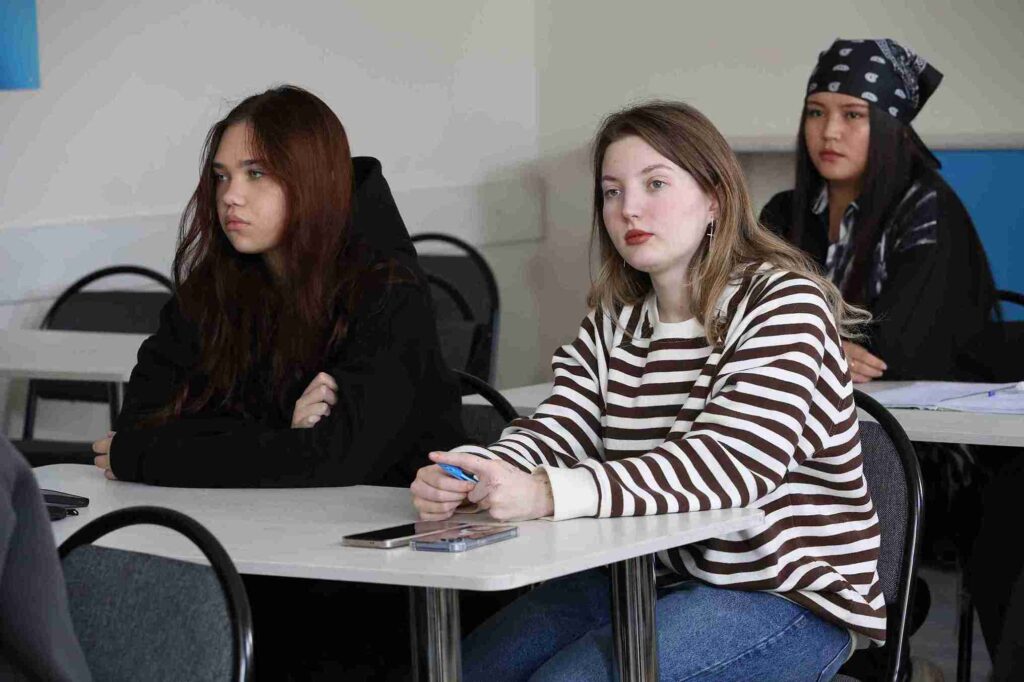
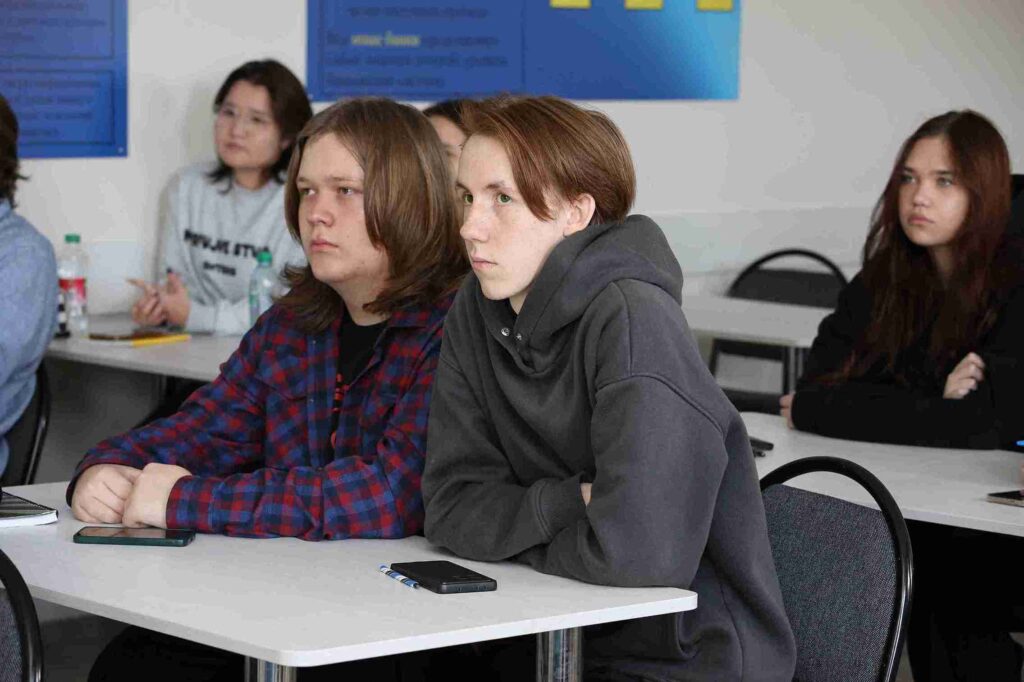
On October 24, 2025, the Kazakh-American Free University held a training session for third-year students majoring in Translation Studies. The topic was “Ethnographic Texts Through the Lens of AI: Translating Chokan Valikhanov’s Works into English and Developing Effective Prompts.”
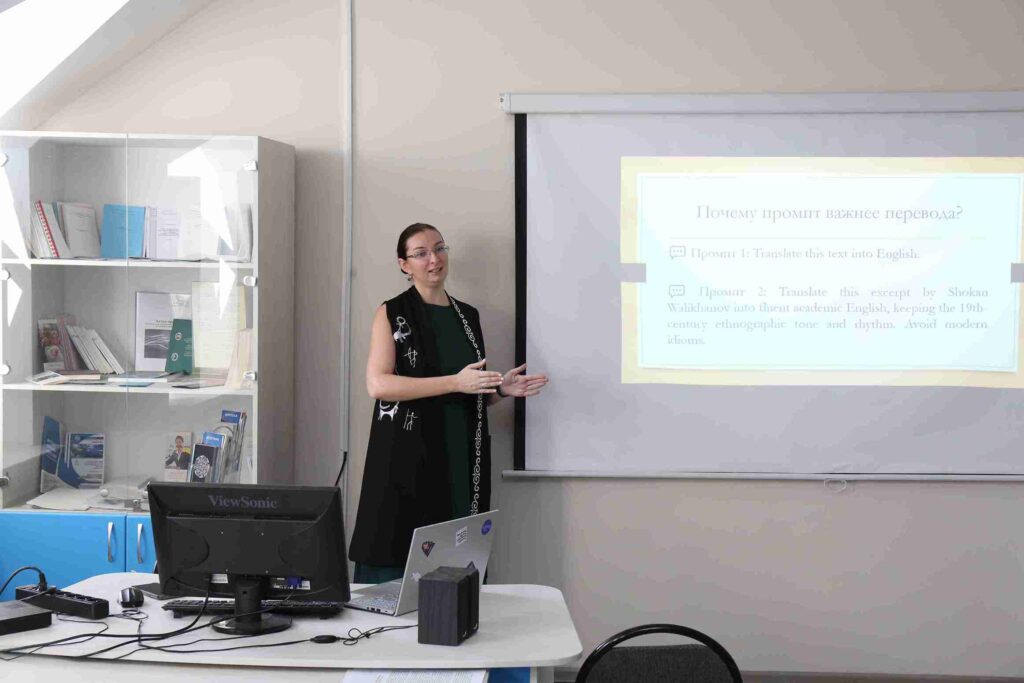
The relevance of this event lies in the fact that the current stage of translation development is characterized by the rapid integration of artificial intelligence (AI) technologies into professional translation practice. Machine translation systems—in particular, ChatGPT and similar models—are becoming more than just auxiliary tools, but full participants in the translation process. However, their effectiveness directly depends on the user’s ability to formulate precise and meaningful prompts that define the desired context, style, and communicative objective. For students majoring in translation, it’s especially important not just to use AI “for translation,” but to understand how to use it to manipulate the meaning, style, and cultural code of the source text. Otherwise, the author’s voice disappears, and the ethnographic and historical authenticity of the work is lost.
The choice of Chokan Valikhanov’s texts as teaching material is due to their high cultural and translation value. These works combine scientific observation, folkloric style, and rich ethnographic vocabulary, requiring translators to be particularly sensitive to the historical context, genre specifics, and national imagery.
As a result of the training, students
– mastered the skills of generating effective prompts for artificial intelligence systems (in particular, ChatGPT) when translating fiction and ethnographic texts;
– learned to correlate the type of prompt with the translation task, determining the impact of the query formulation on the style, accuracy, and cultural adequacy of the translation;
– mastered methods of analyzing and editing AI translations aimed at identifying and eliminating semantic, stylistic, and cultural distortions;
– developed the ability to preserve the ethnographic, historical, and artistic specificity of the original text when translating the works of Chokan Valikhanov and other sources of national cultural heritage;
– developed competence in the critical use of artificial intelligence technologies in professional translation, viewing AI as a tool that complements, rather than replaces, the translator’s analytical and creative thinking.
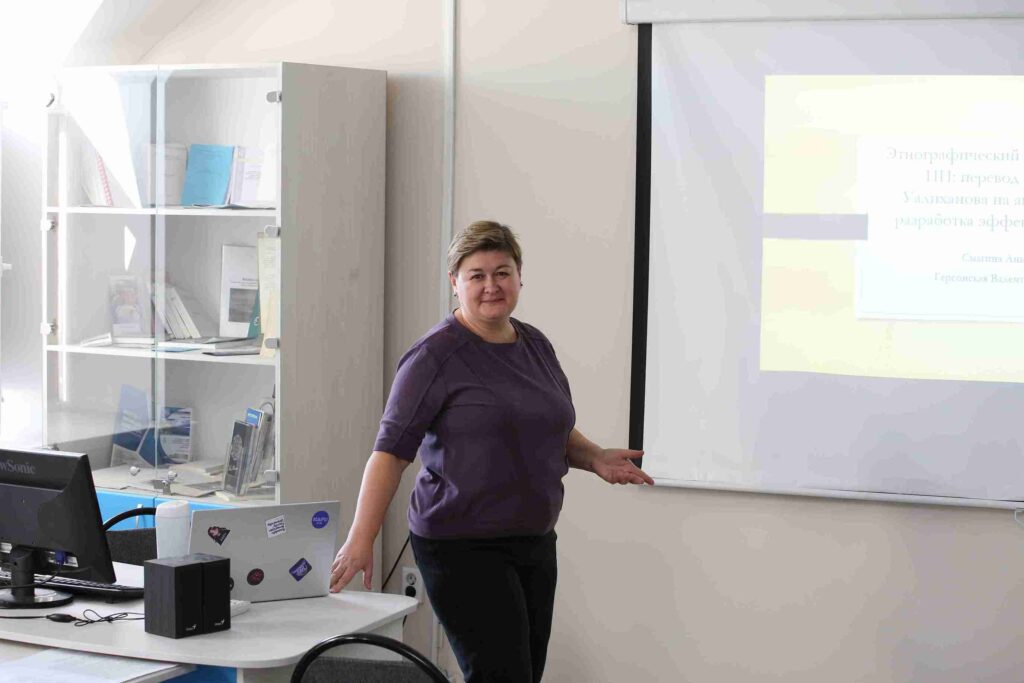
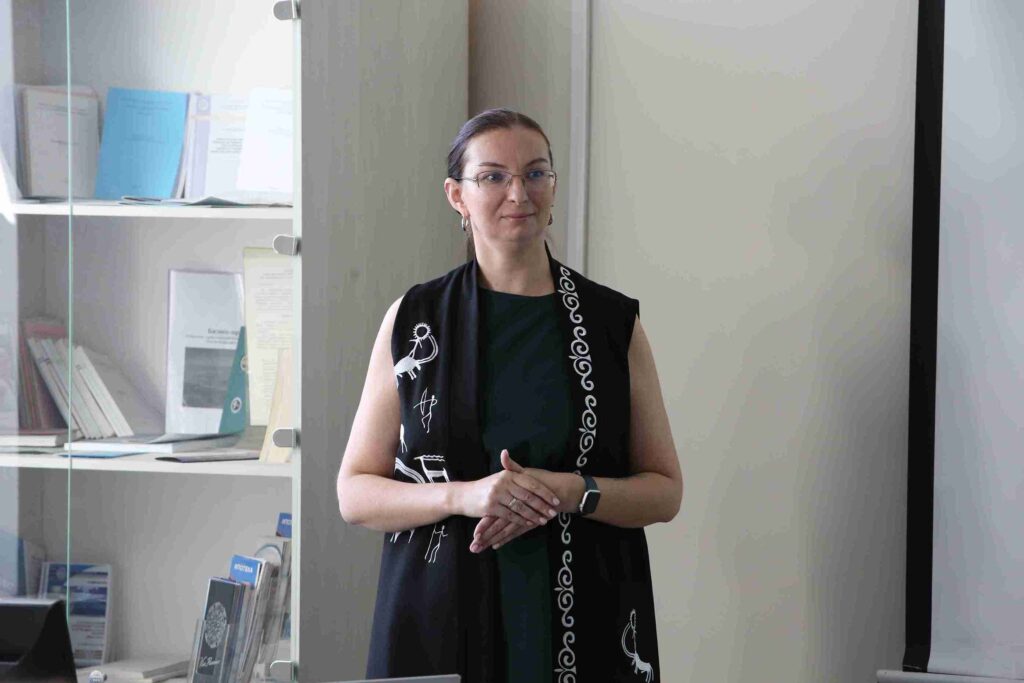
Speakers at the events were Valentina V. Gersonskaya, Senior Lecturer in the Department of Foreign Languages, and Anna V. Smagina, Lecturer in the Department of Foreign Languages.
Department of Foreign Languages