Plenary Session of the International Scientific Congress “Humanization of Education in the Digital World: Professional and Ethical Guidelines for International Partnership”
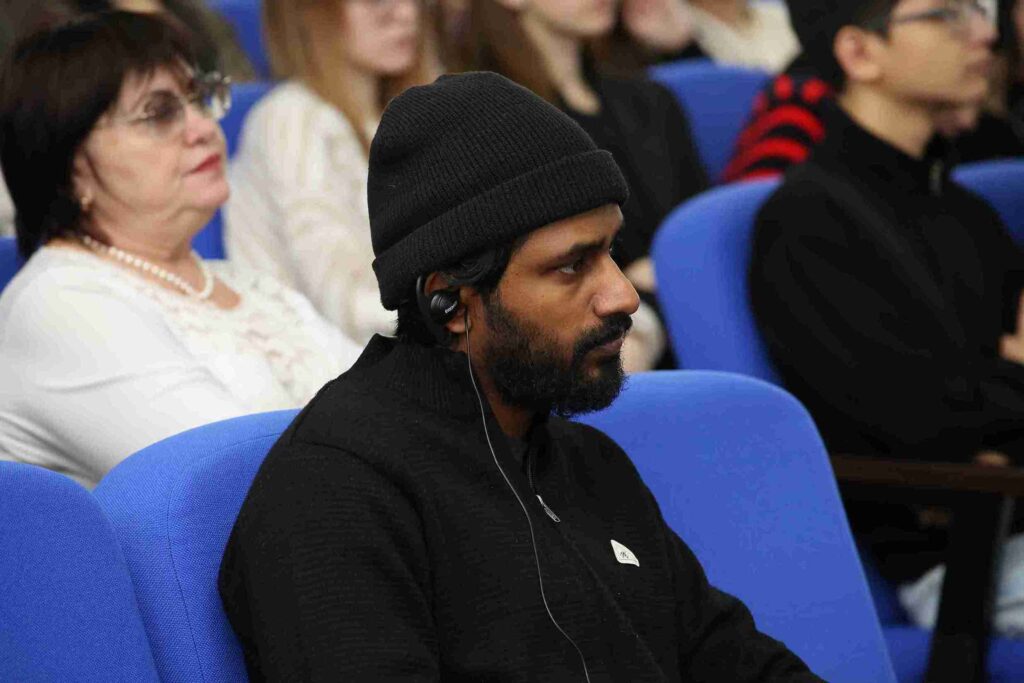
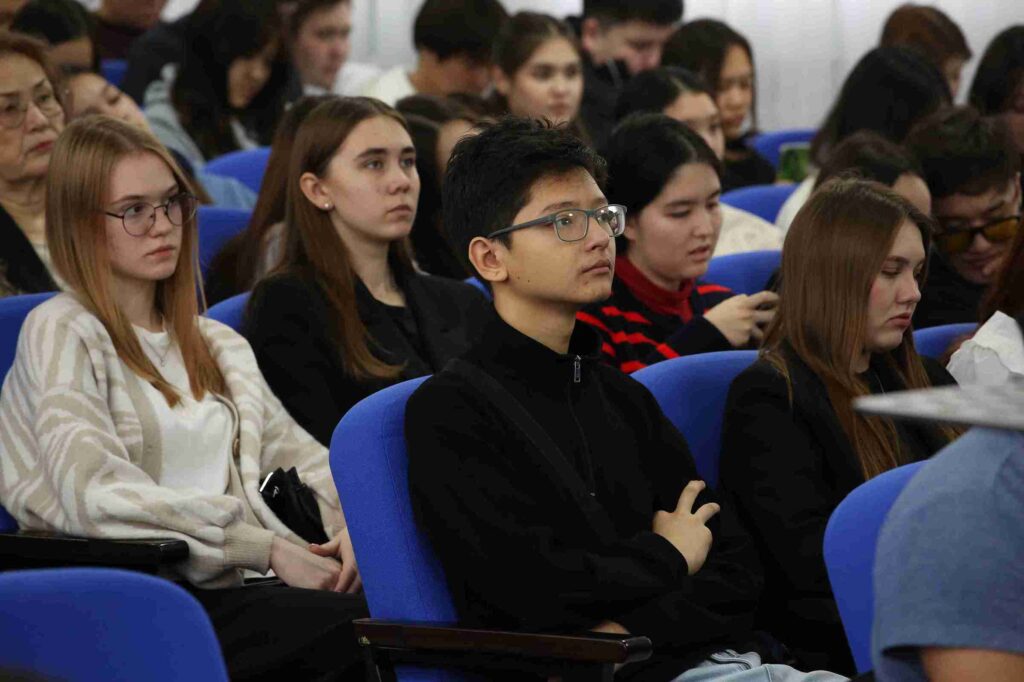
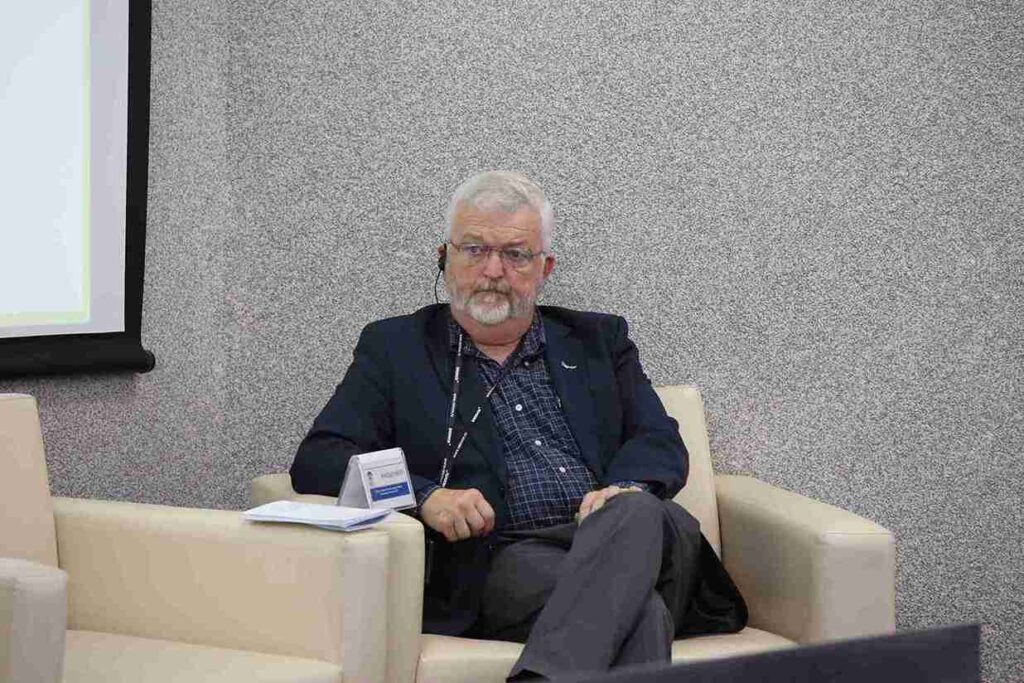
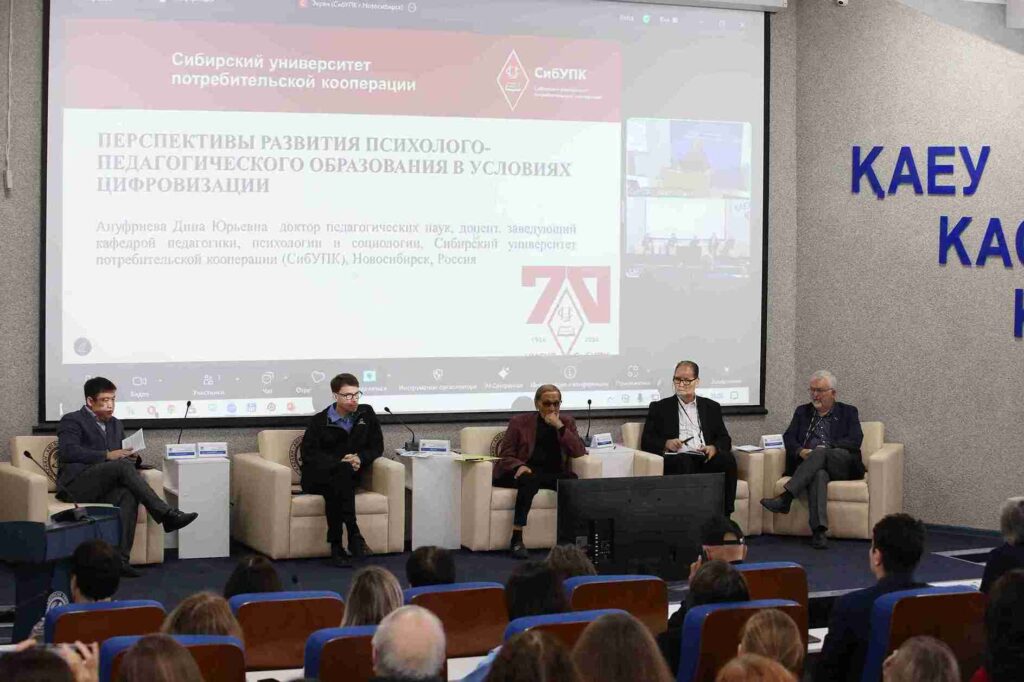
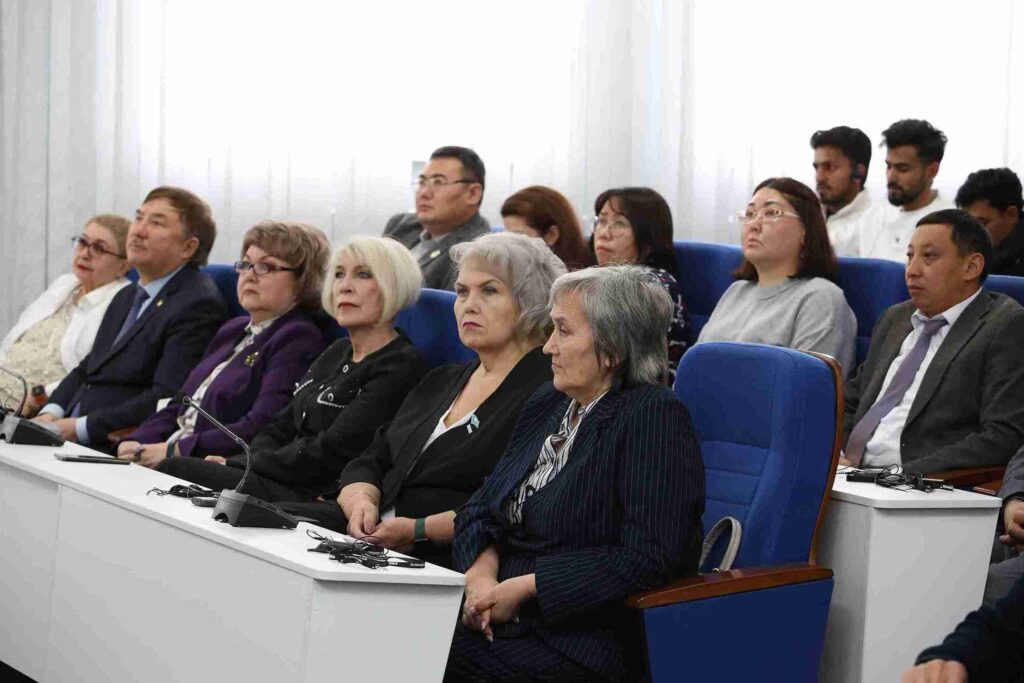
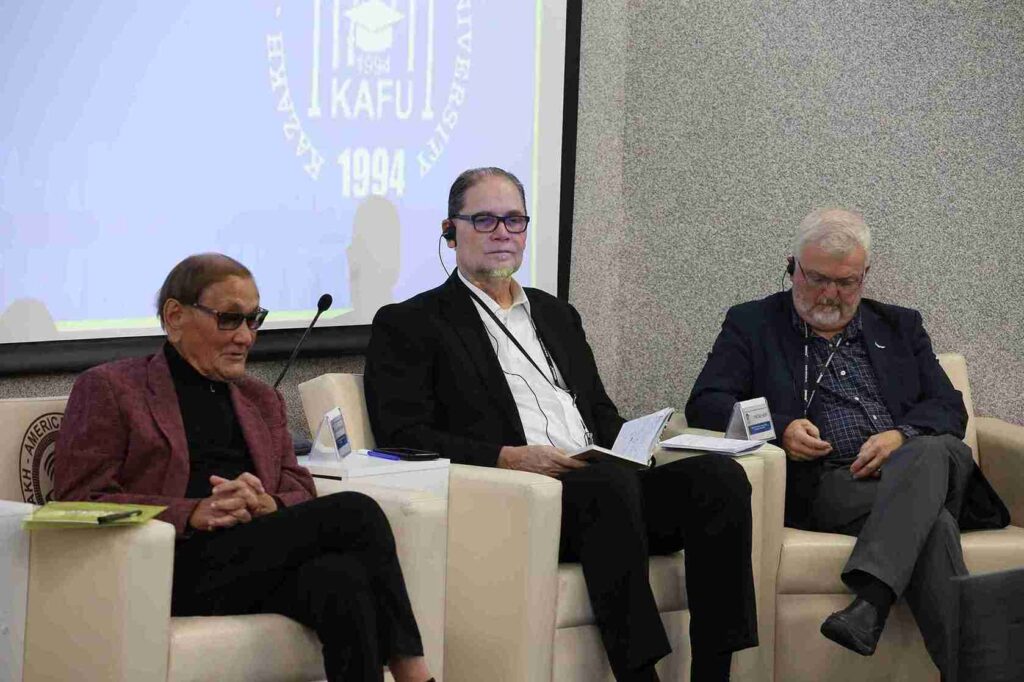
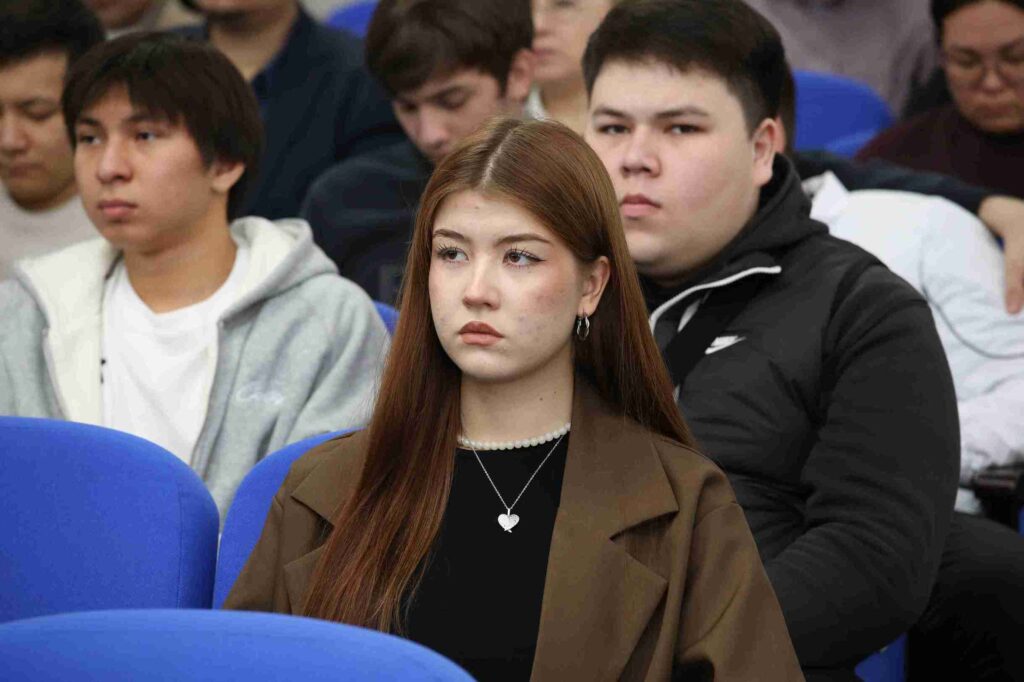
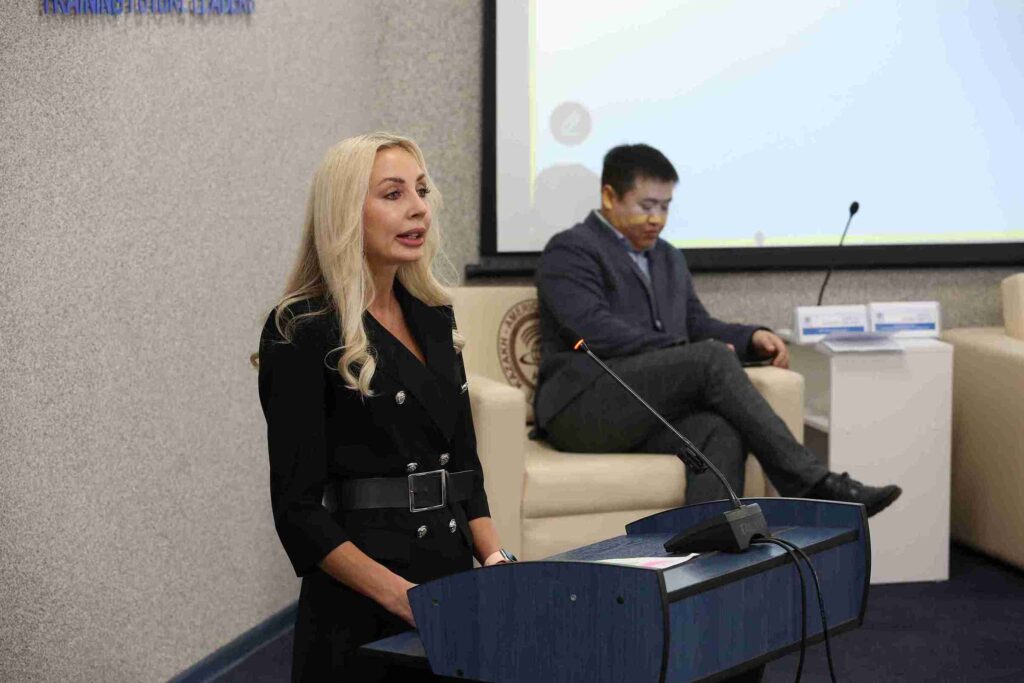
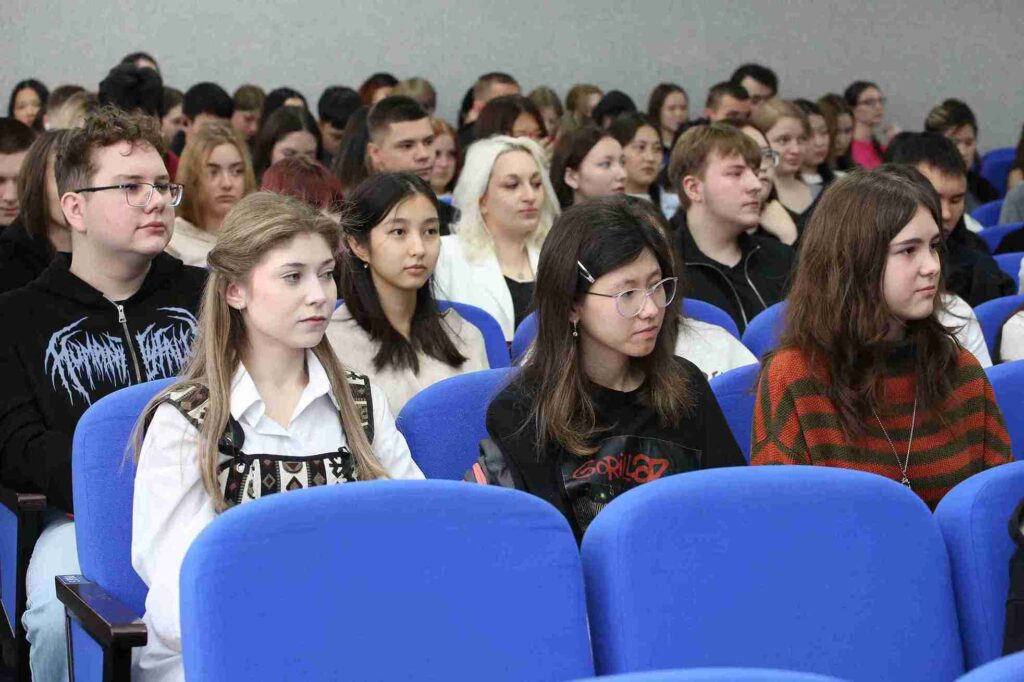
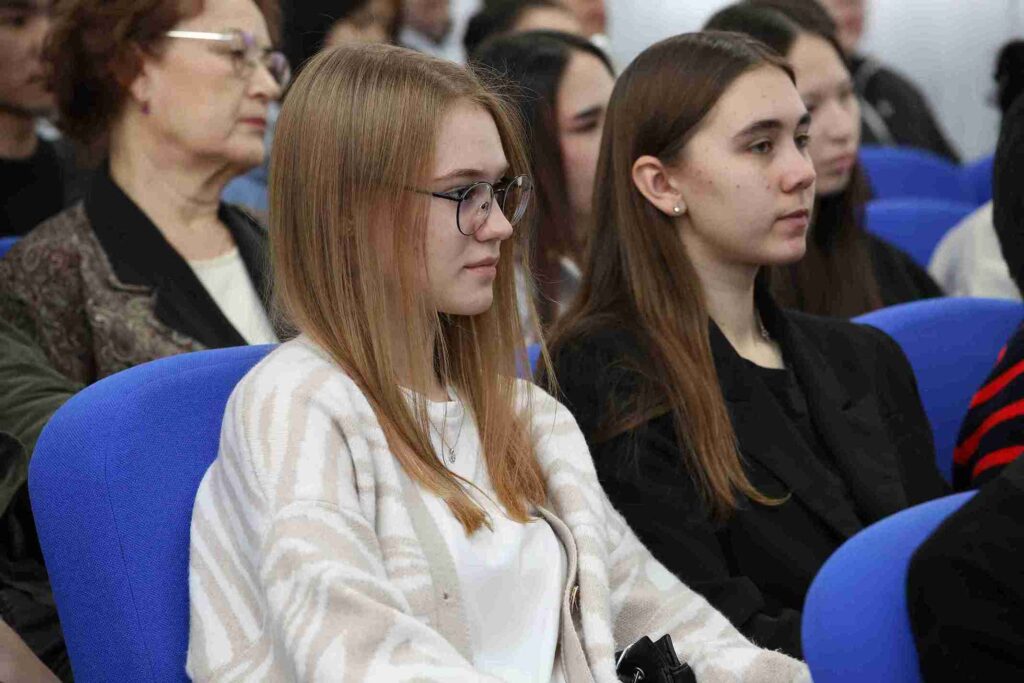
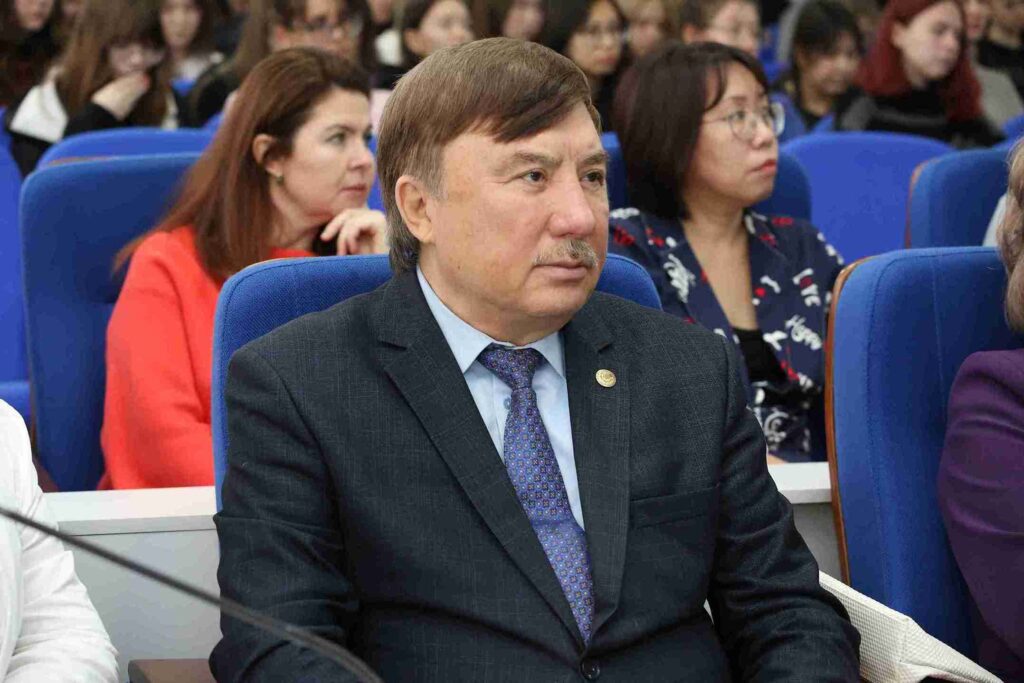
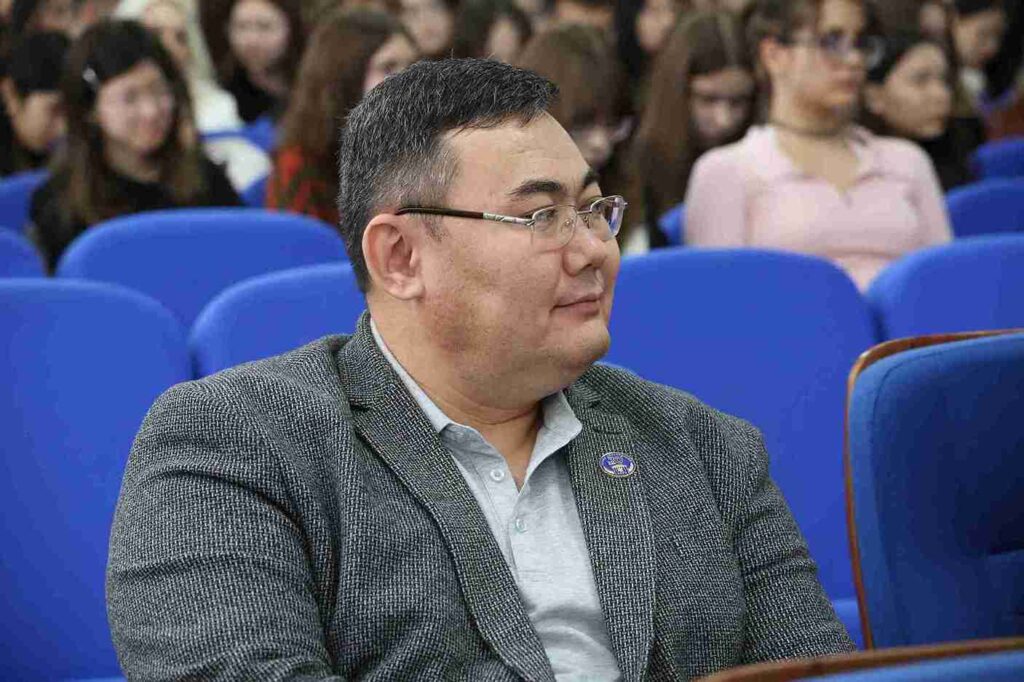
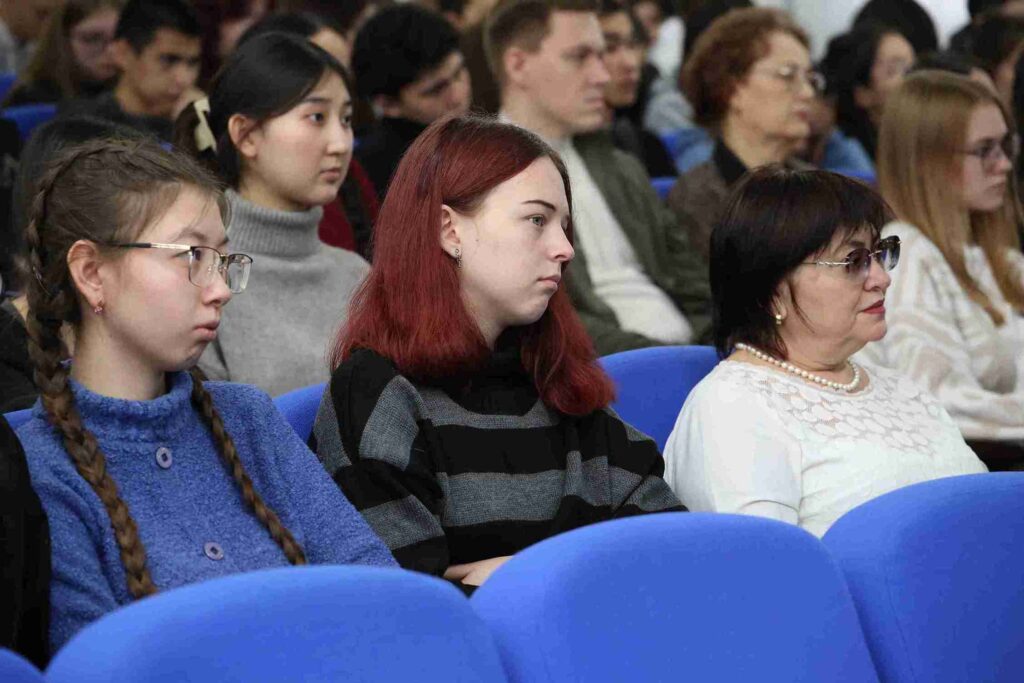
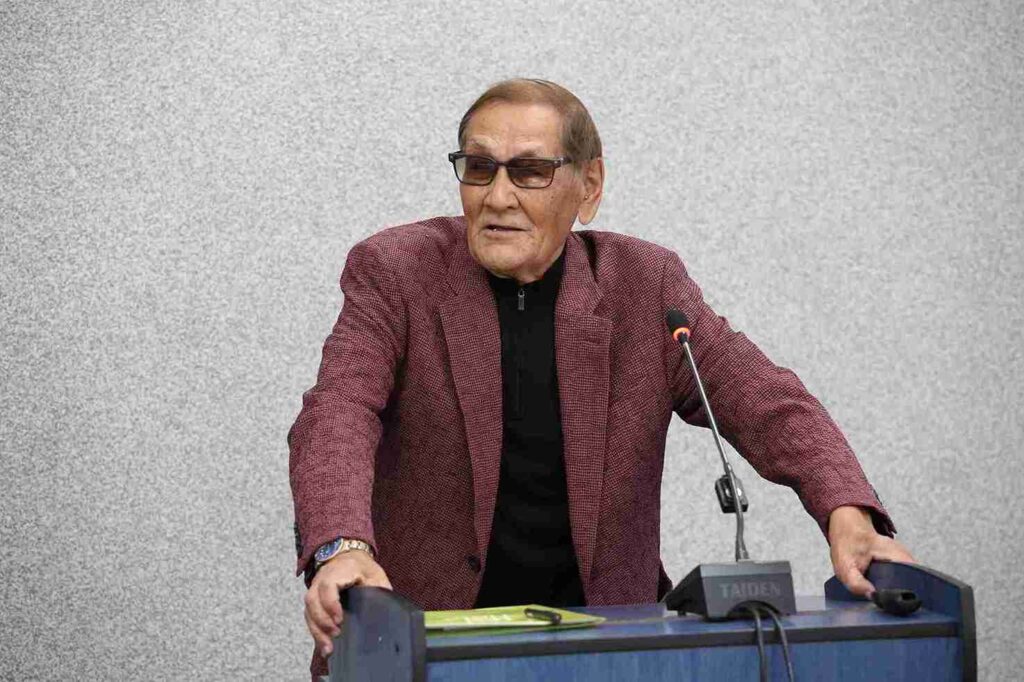
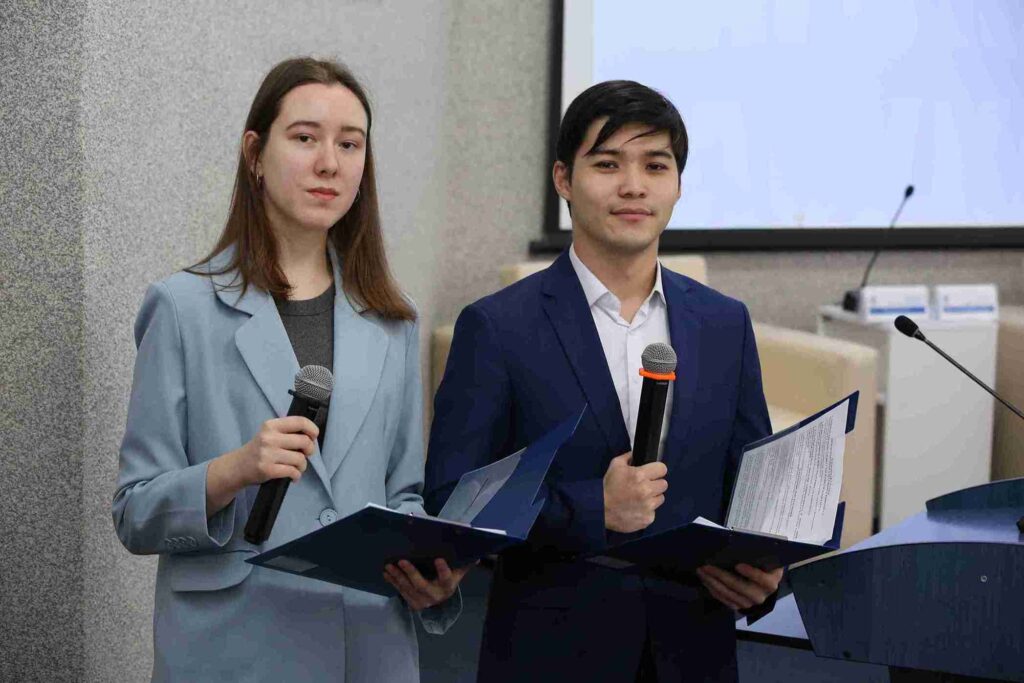
On November 7, 2025, the Kazakh-American Free University hosted the plenary session of the International Scientific Congress “Humanization of Education in the Digital World: Professional and Ethical Guidelines for International Partnership.” The forum brought together representatives of the scientific and educational communities from Kazakhstan, Russia, the USA, Turkey, Germany, India, and Afghanistan.
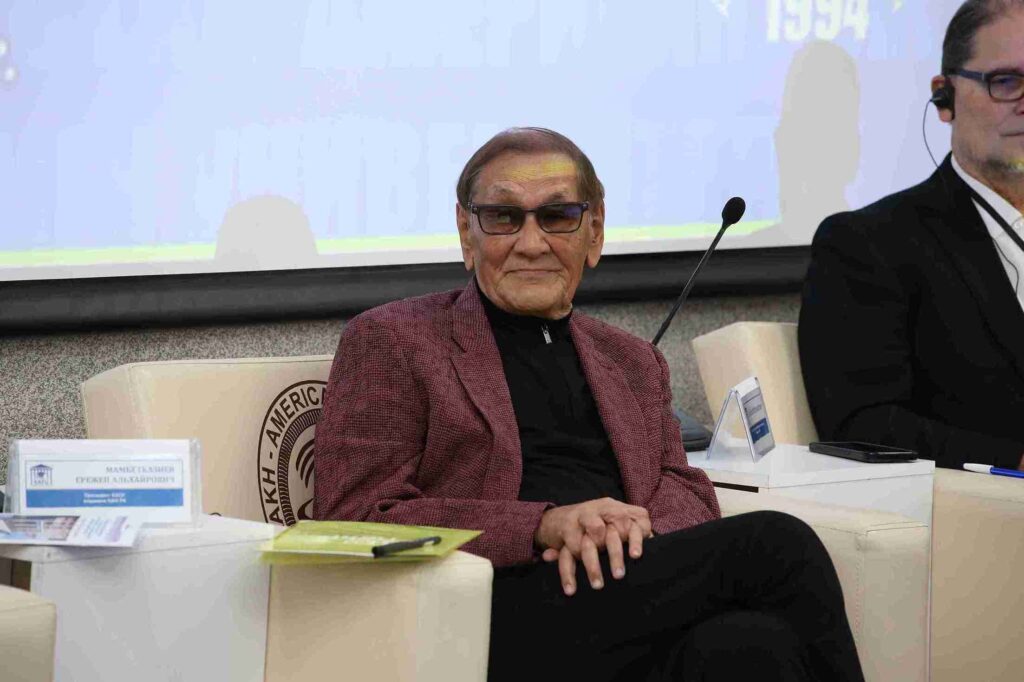
Yerezhep A. Mambetkaziyev, Academician of the National Academy of Sciences of the Republic of Kazakhstan and President of KAFU, opened the congress, emphasizing the importance of the humanistic mission of universities and the role of education in shaping individuals in the era of digital transformation.
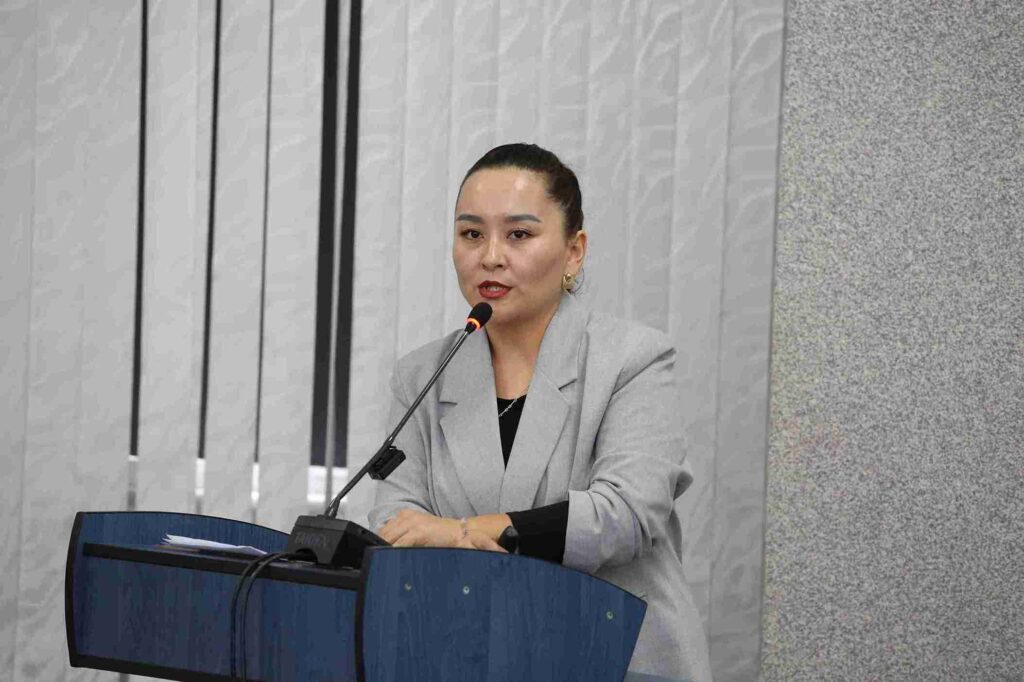
In the context of the Address of the President of the Republic of Kazakhstan Kassym-Jomart Tokayev “Kazakhstan in the Era of Artificial Intelligence,” Natalya P. Urazova, Vice-Rector for Youth Policy, outlined the strategic objectives of the university community in the context of digital transformation.
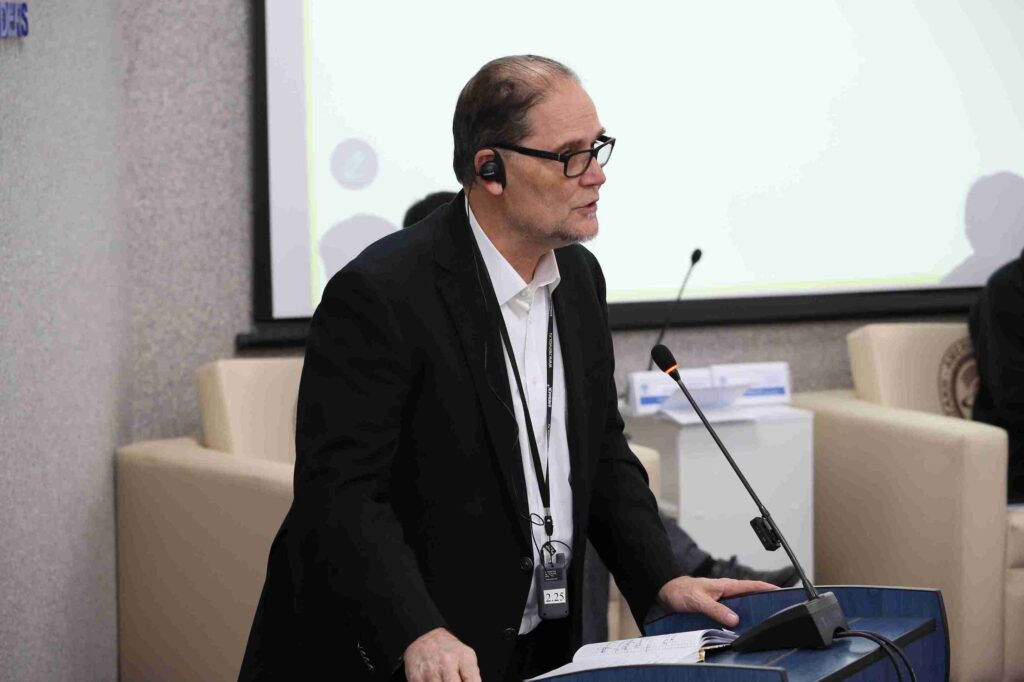
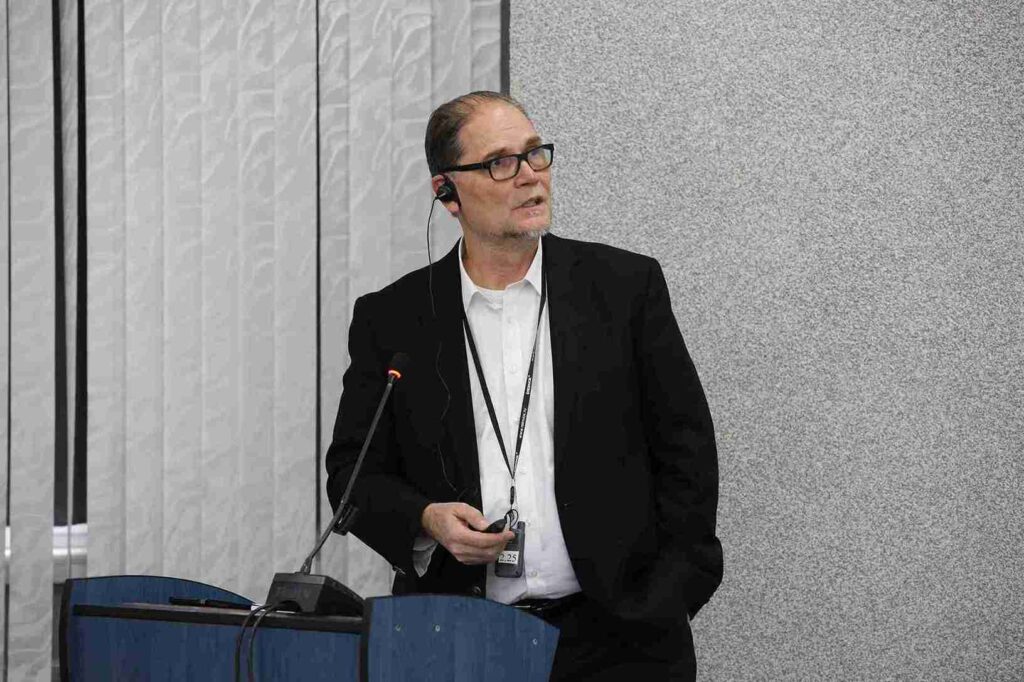
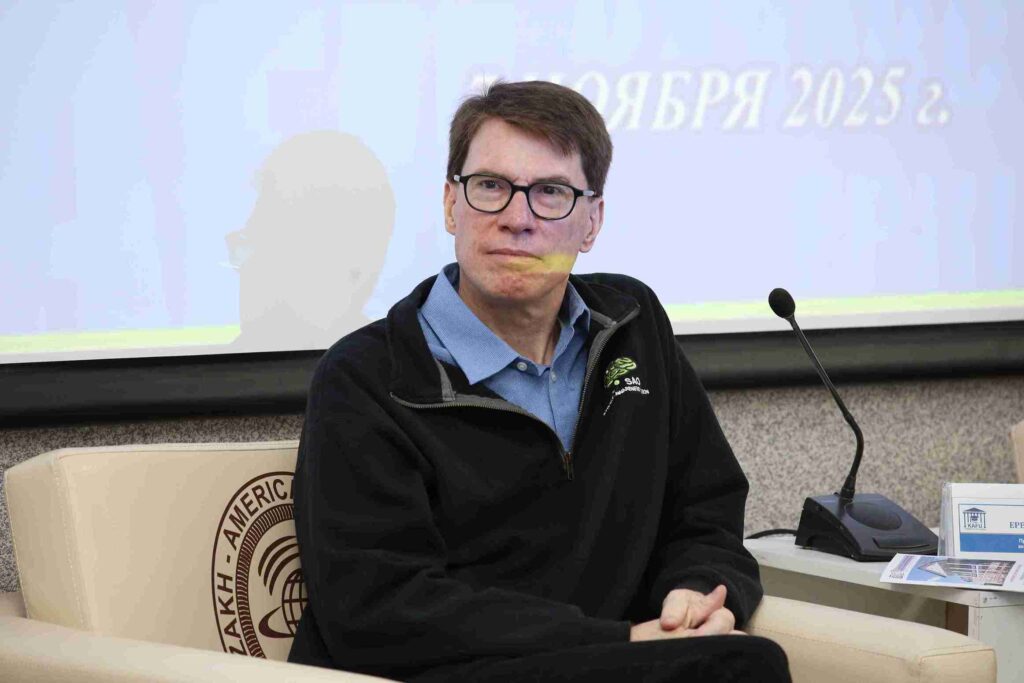
The plenary session featured research papers reflecting current trends in pedagogy and the humanities. Dina Y. Anufrieva, Doctor of Pedagogical Sciences (Siberian University of Consumer Cooperatives, Russia), presented an analysis of the prospects for the development of psychological and pedagogical education in the context of digitalization, noting the role of artificial intelligence and electronic resources in developing new teacher competencies. Professor Douglas Hartman, in his presentation “Teachers Direct Generative AI: Generative AI Guides Teachers,” examined the interaction between humans and artificial intelligence in education as a process of mutual development.
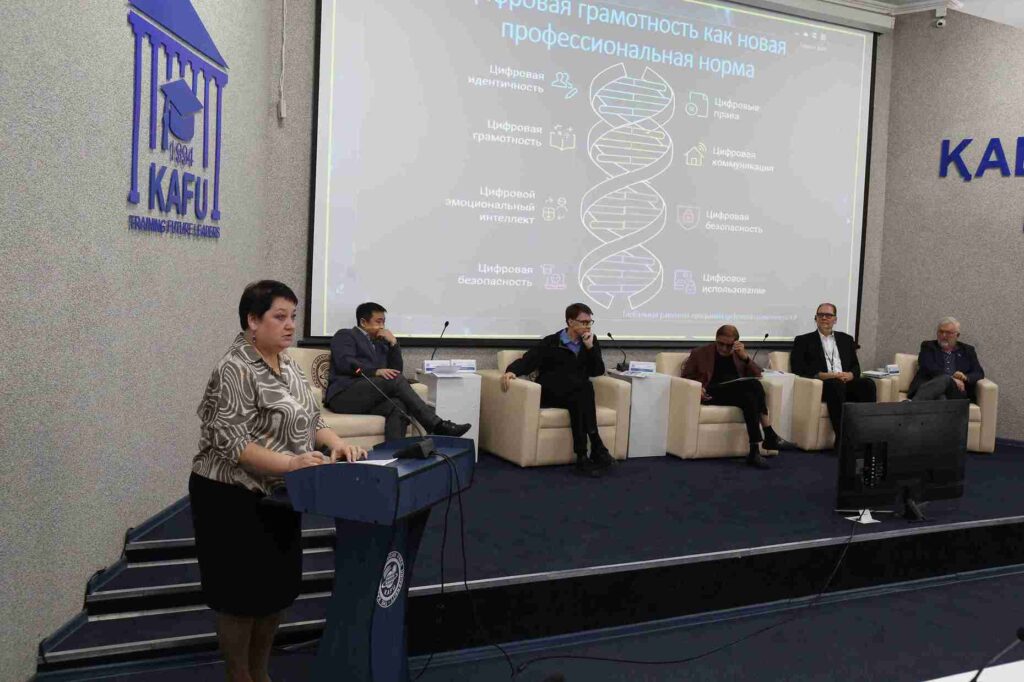
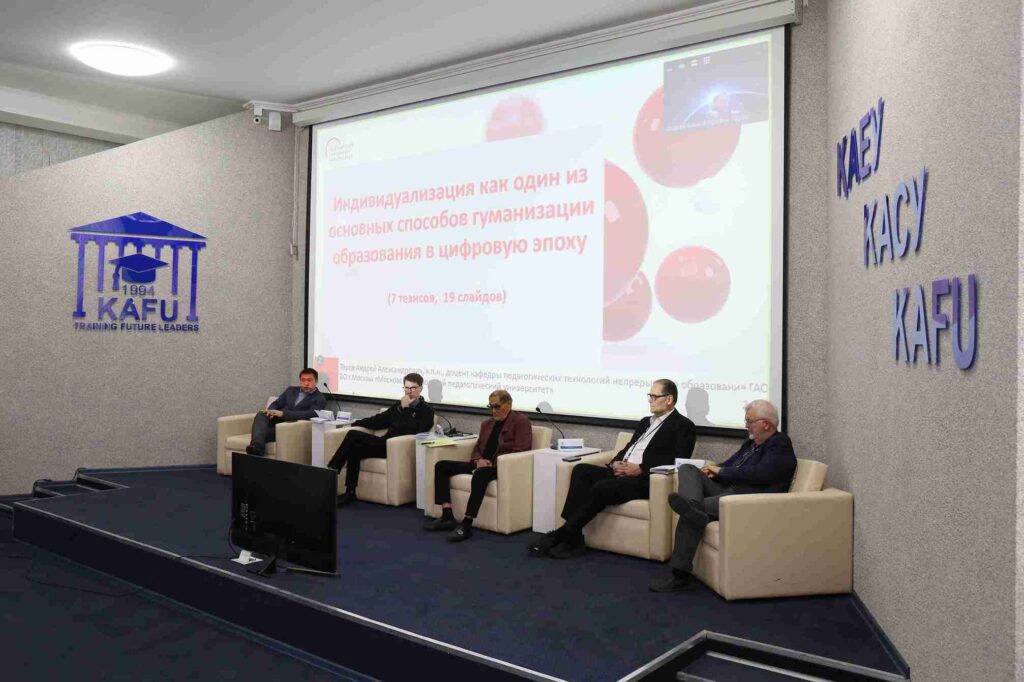
Yulia V. Novitskaya, Head of the Department of Foreign Languages at KAFU, devoted her presentation to the topic of digital literacy and the professional identity of 21st-century teachers, emphasizing the need to combine technological competence and humanistic values. Andrey A. Terov, Associate Professor at Moscow City Pedagogical University, continued the plenary discussion, presenting online on the topic “Individualization as One of the Key Ways to Humanize Education in a Digital World.” He argued that digital technologies, when used correctly, can serve as a tool for a student-centered and humanistic approach to learning.
Nursulu K. Turgumbayeva concluded the session with her paper “Emotive Syntax of the Kazakh Language: Its Role in the Formation of National Worldview and Linguistic Identity,” which explored how emotionally charged syntactic constructions reflect the characteristics of national thinking and the spiritual values of the Kazakh people. The presentation emphasized that language conveys not only information but also the emotional and cultural code of a nation, preserving its identity in the context of globalization.
The plenary session of the international scientific congress provided an intellectual platform for reflecting on the role of humanization in the digital age. Participants noted that the combination of technology, ethics, and humanistic principles is the foundation for sustainable educational development and the formation of a new generation of individuals—thinking, open, and socially responsible.
The International Scientific Congress at KAFU will continue with a series of guest lectures and practical events in accordance with the program.
Research Department