Series of Scientific Seminars, “From Writing to Leadership: Key Competencies for Emerging Researchers,”
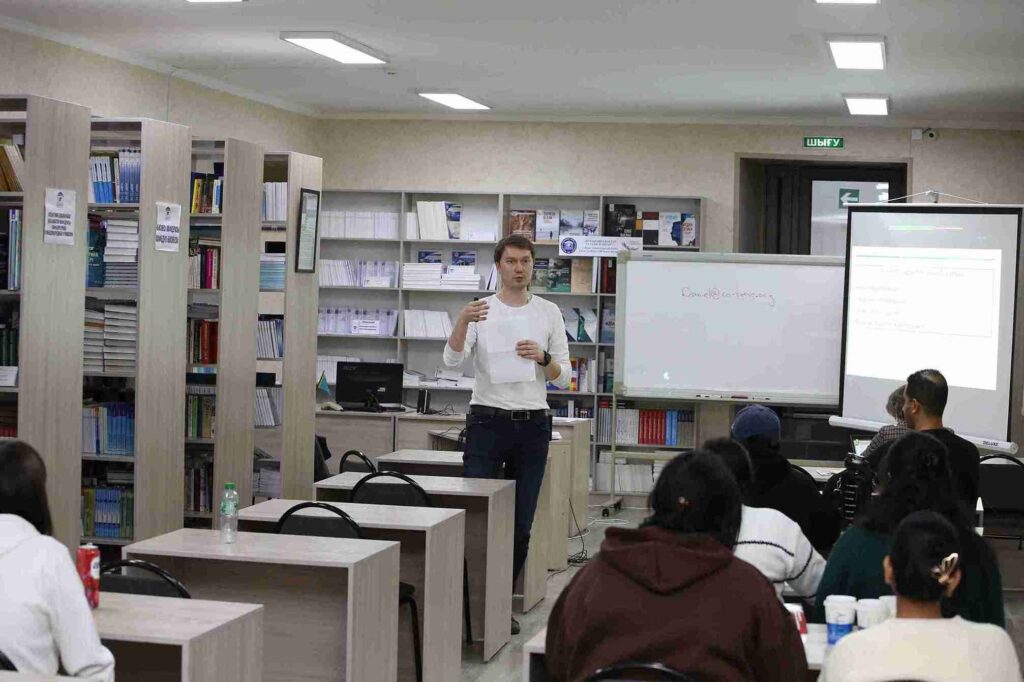
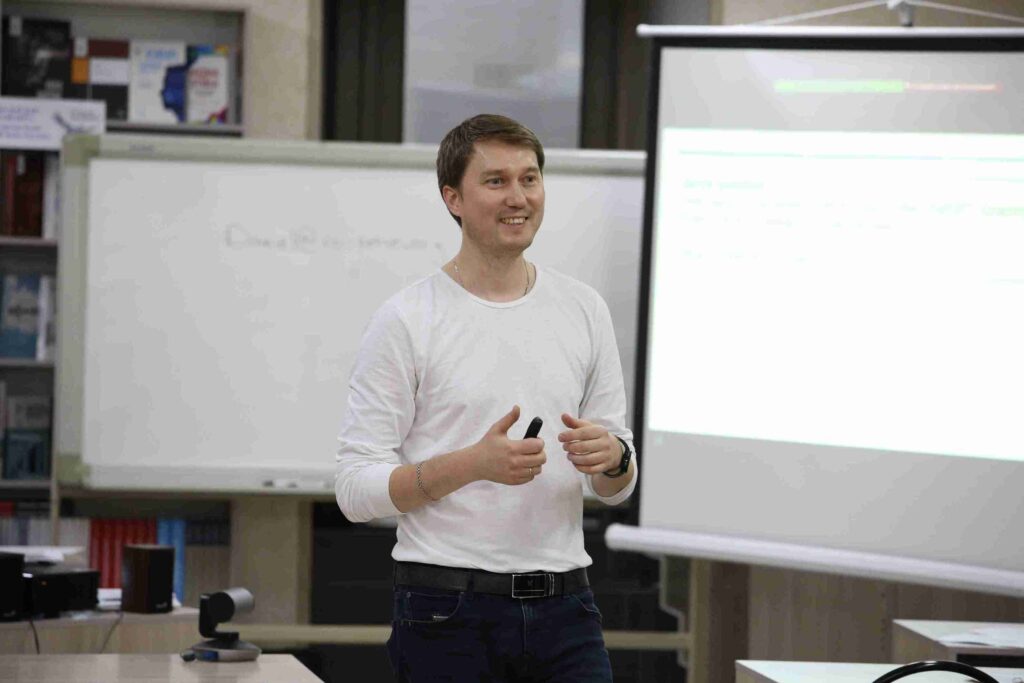
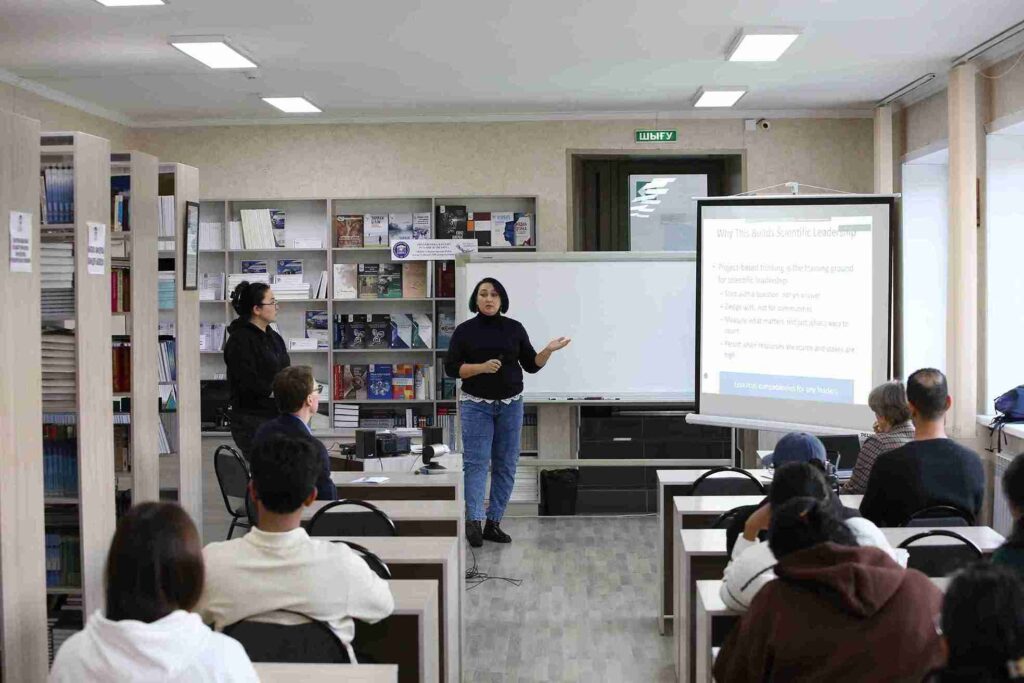
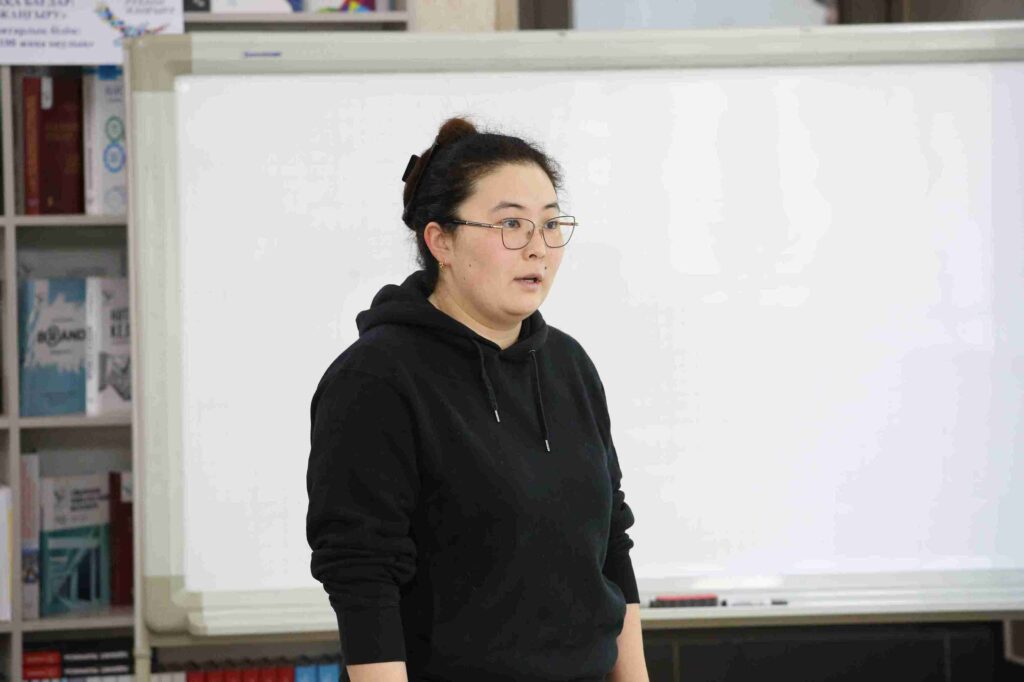
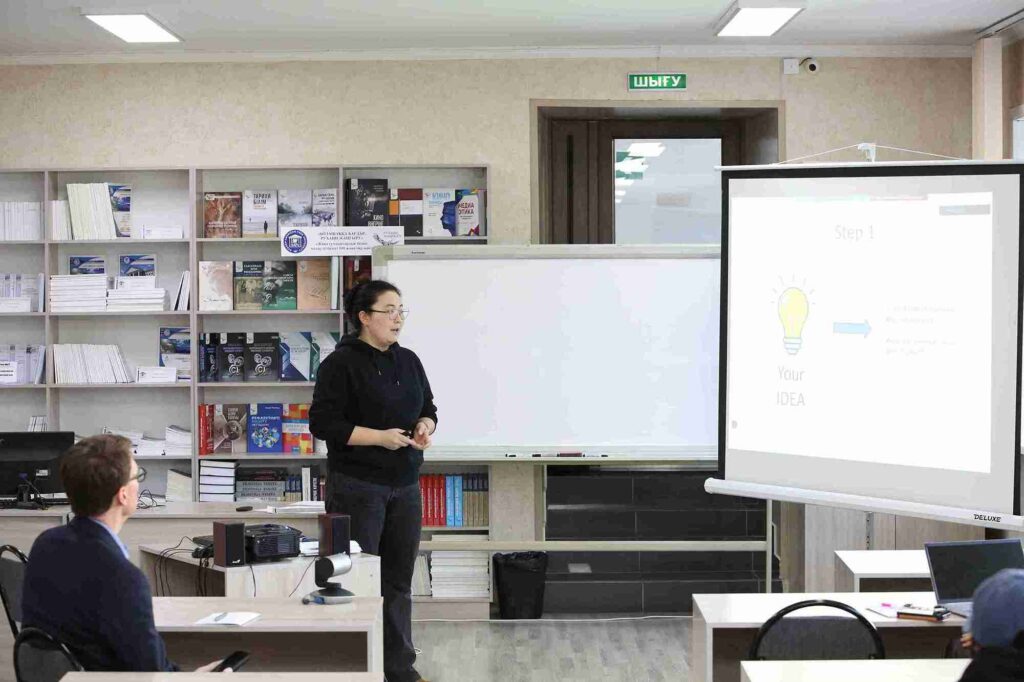
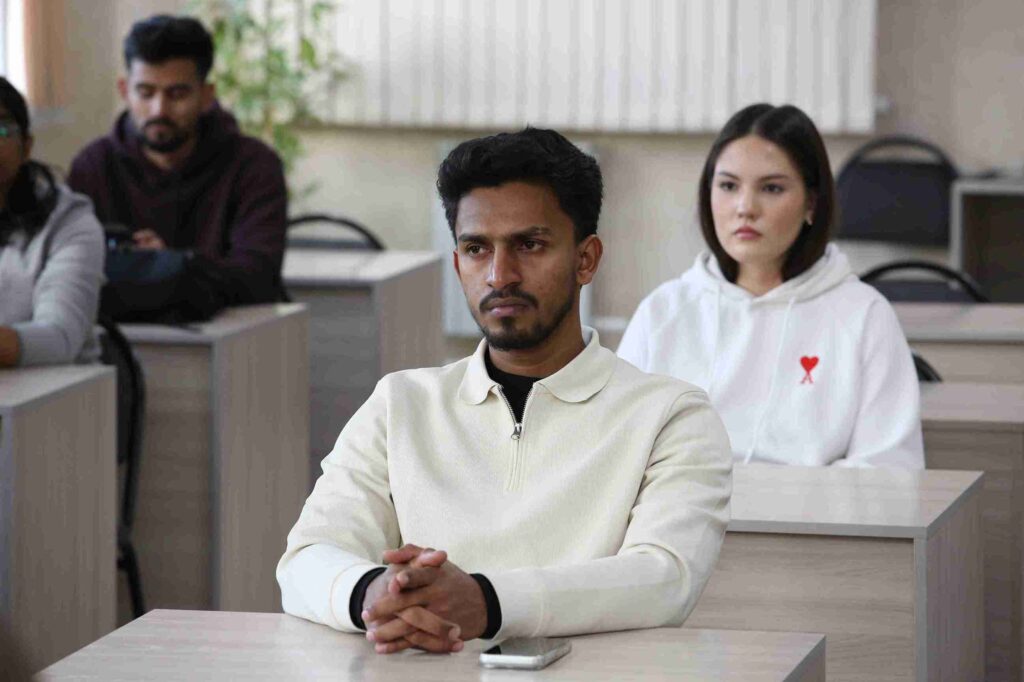
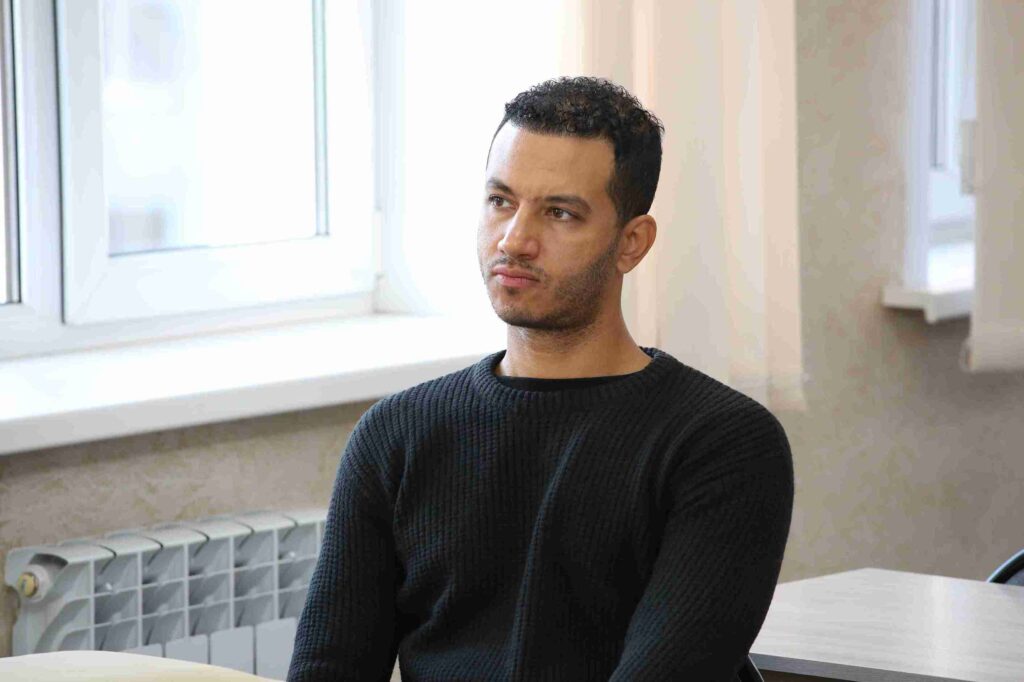
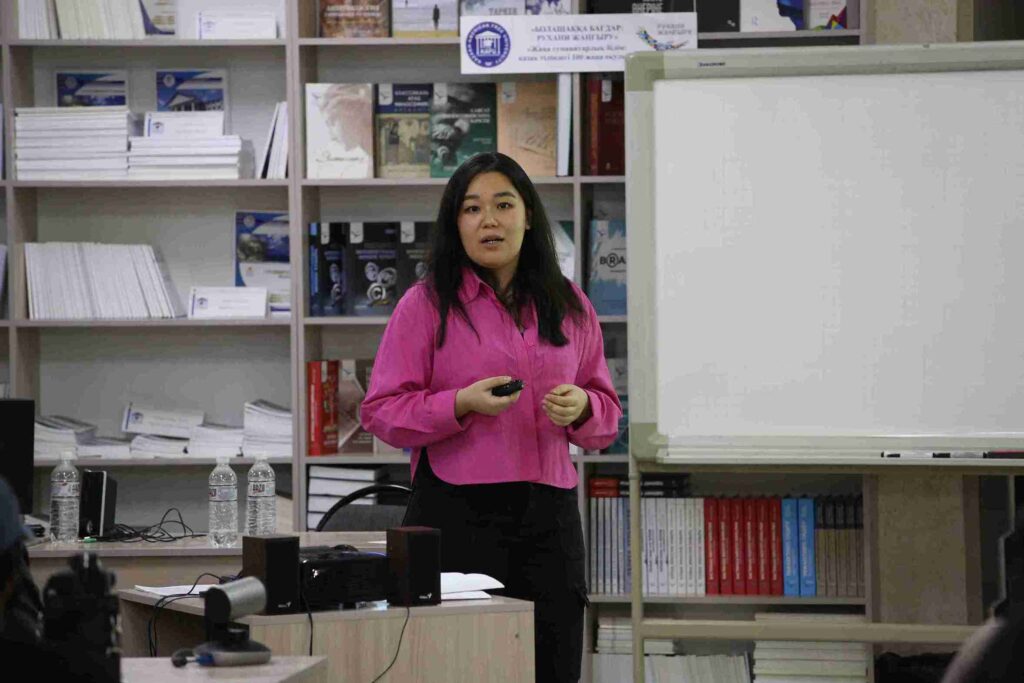
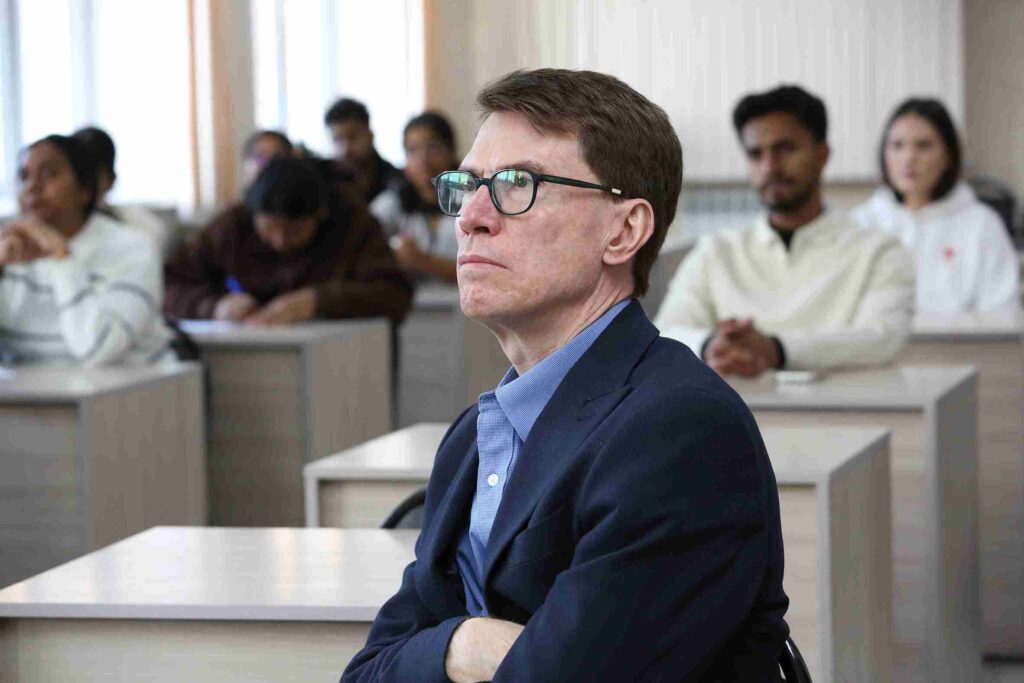
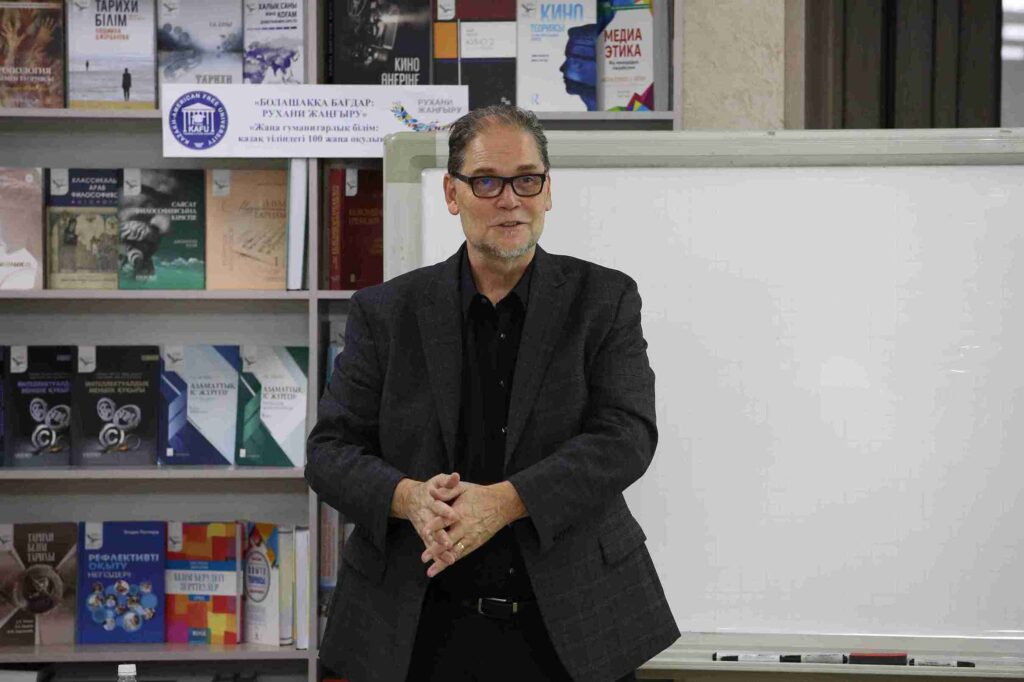
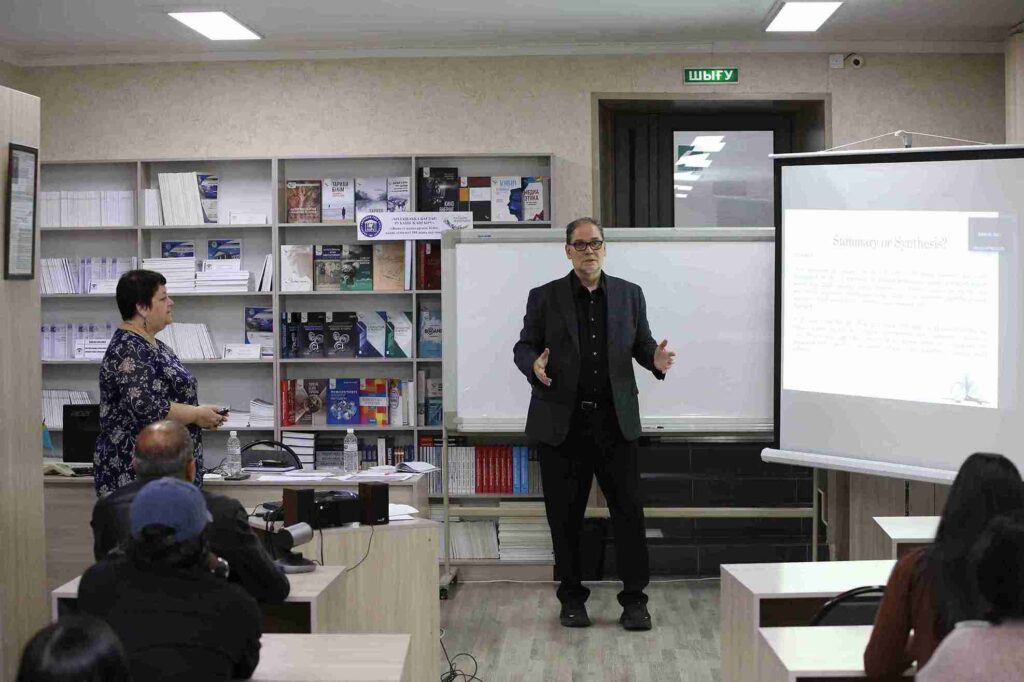
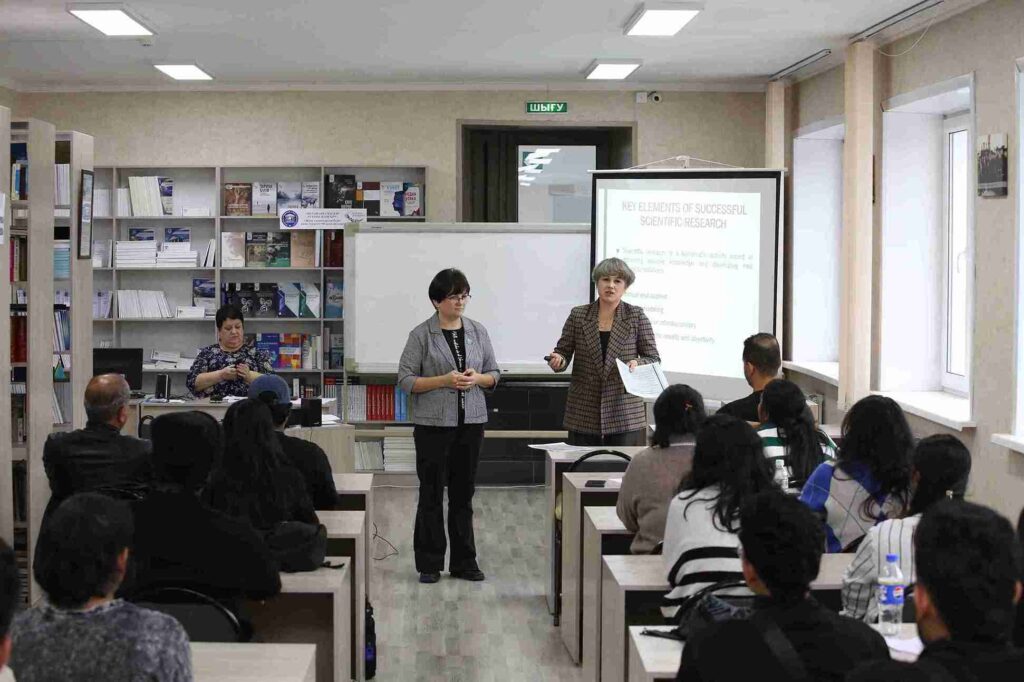
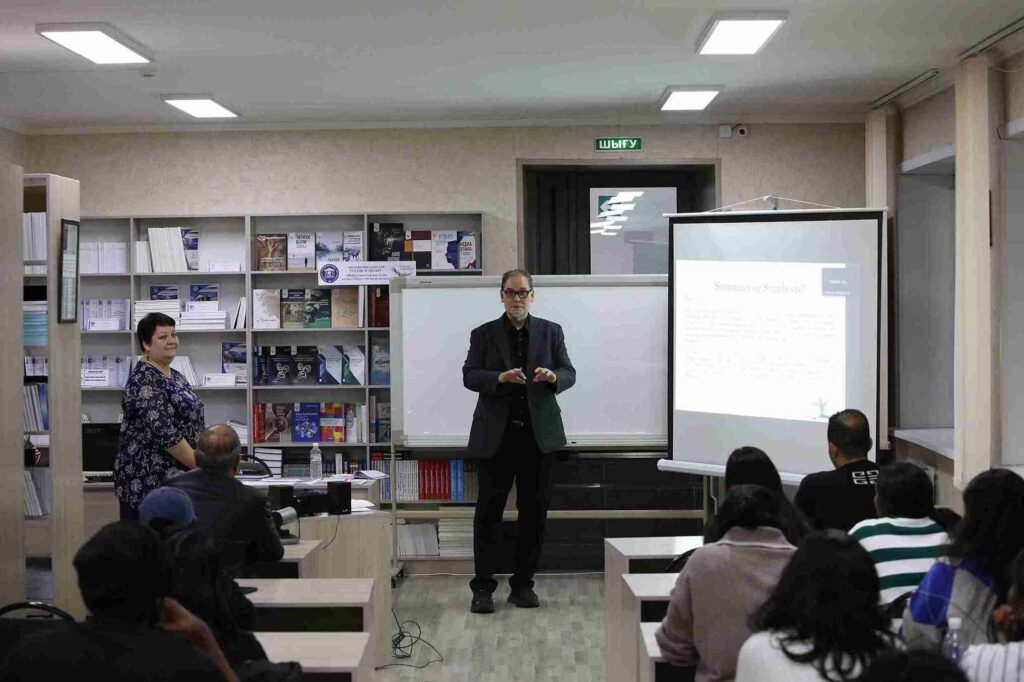
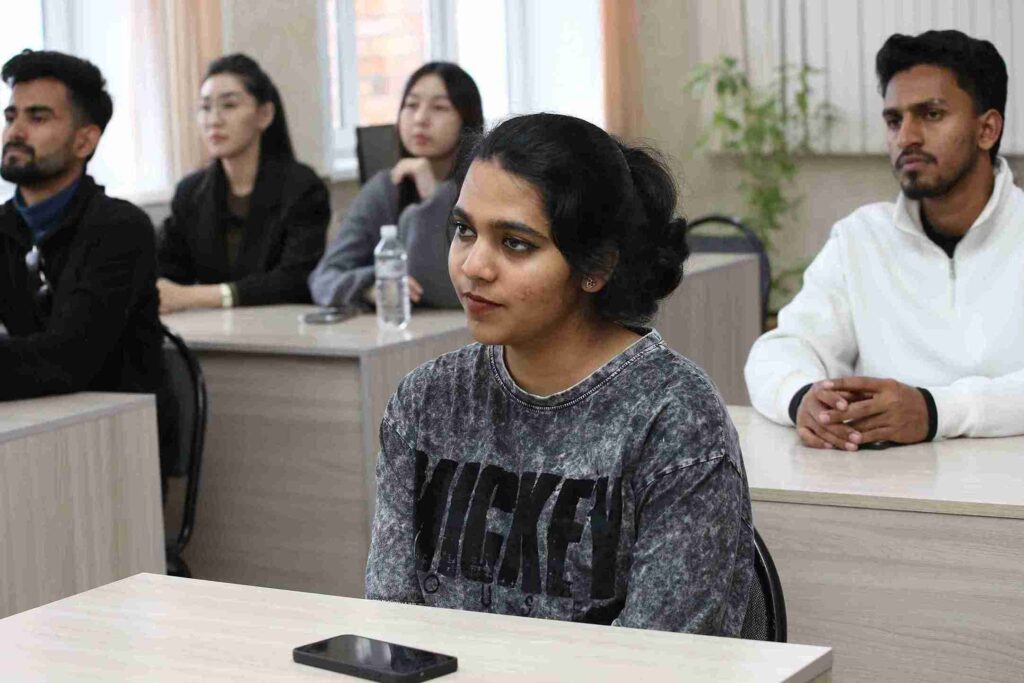
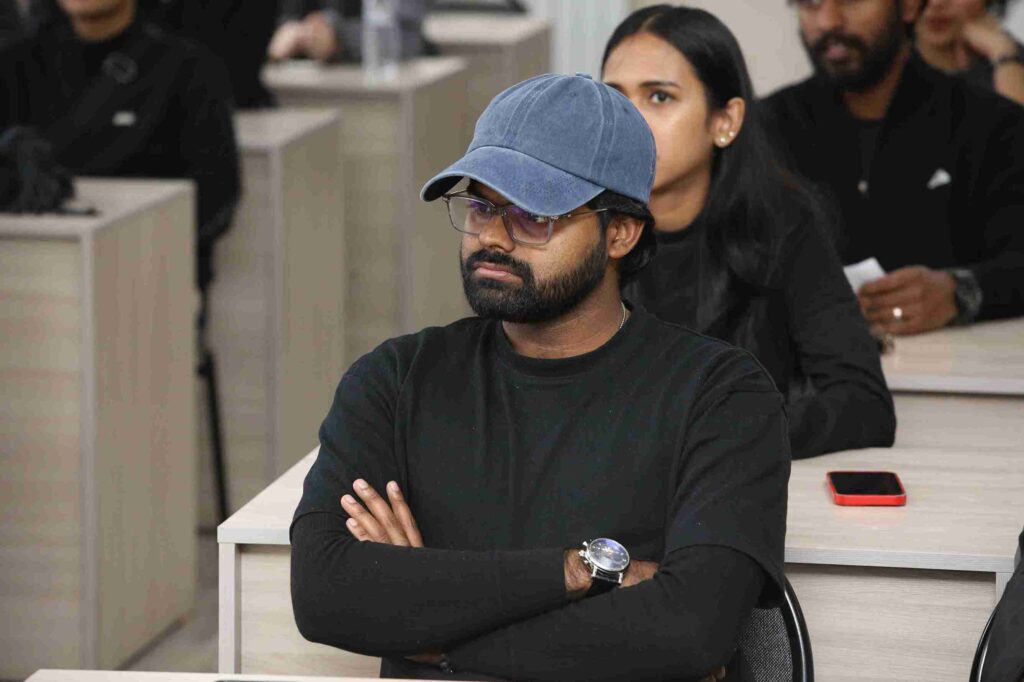
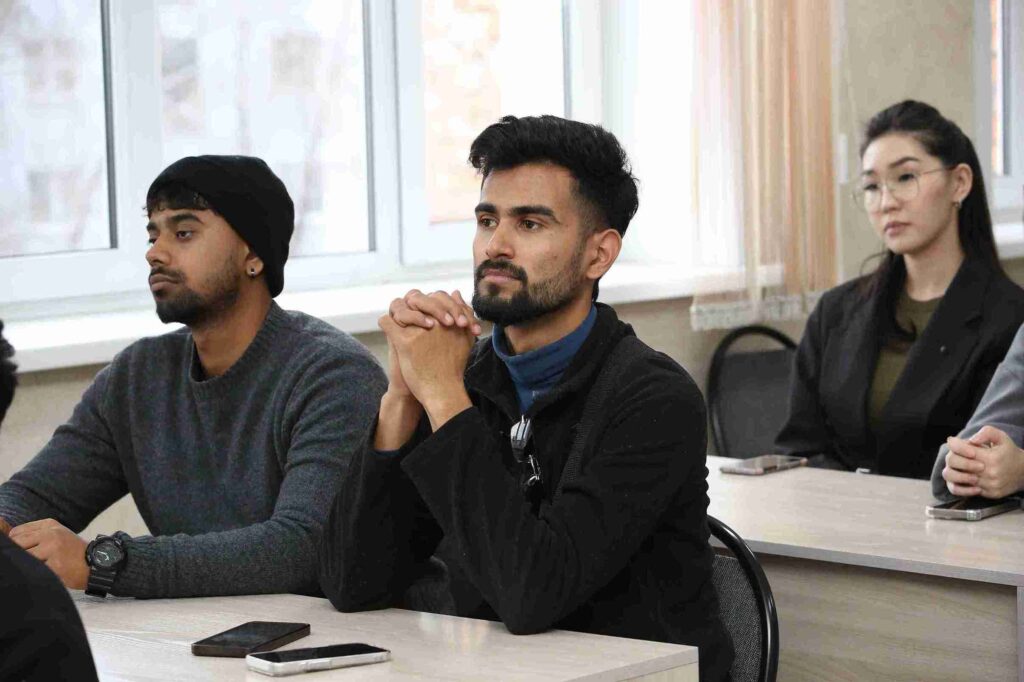
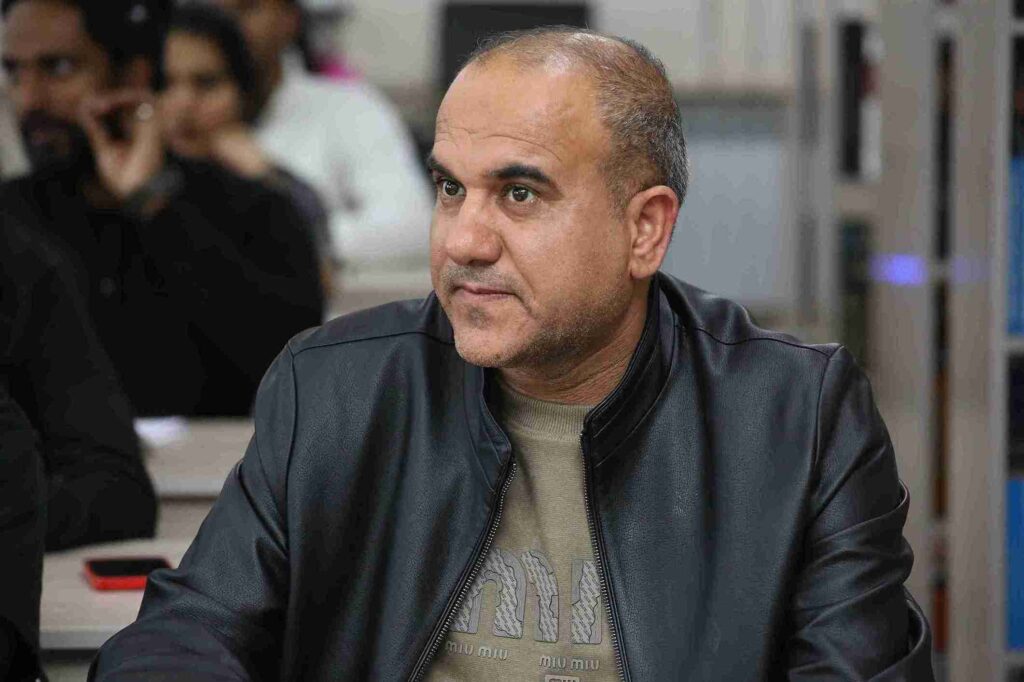
The series of scientific seminars was held on November 5–6, 2025, at the Kazakh-American Free University as part of the KAFU International Scientific Congress, “Humanization of Education in the Digital World: Professional and Ethical Guidelines for International Partnership,” which ran from November 3–13, 2025.
Over the course of two days, participants discussed key aspects of scientific research, academic writing, methodology, and leadership in the research environment.
Yulia A. Gavrilova, PhD in Law and Vice-Rector for Research and Postgraduate Education, presented a paper, “Key Elements of Successful Scientific Research,” outlining the fundamental principles of constructing research projects and their practical implementation. Yulia V. Novitskaya (MEd), Head of the Department of Foreign Languages, and Professor Douglas Hartman (PhD, USA) led an interactive session, “Writing with Purpose: Developing Effective Literature Reviews,” focusing on techniques for critically analyzing sources and formulating a well-reasoned research position.
Dinara Abilova, PhD, Senior Lecturer, presented on the topic “Studying Research Methods: From Numbers to Narratives,” emphasizing the importance of combining quantitative and qualitative approaches.
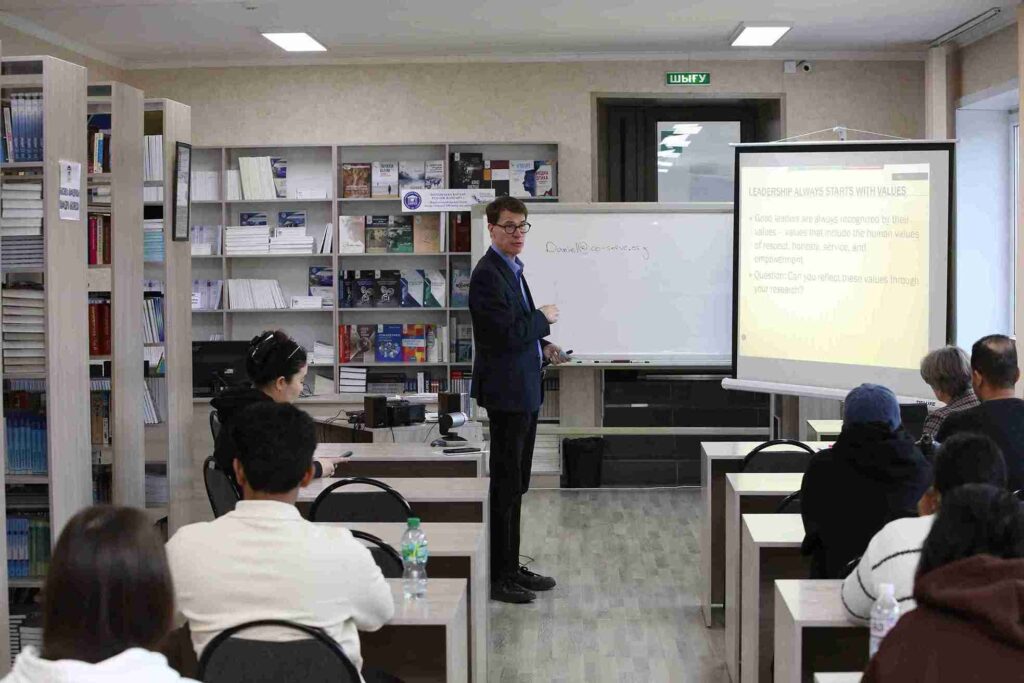
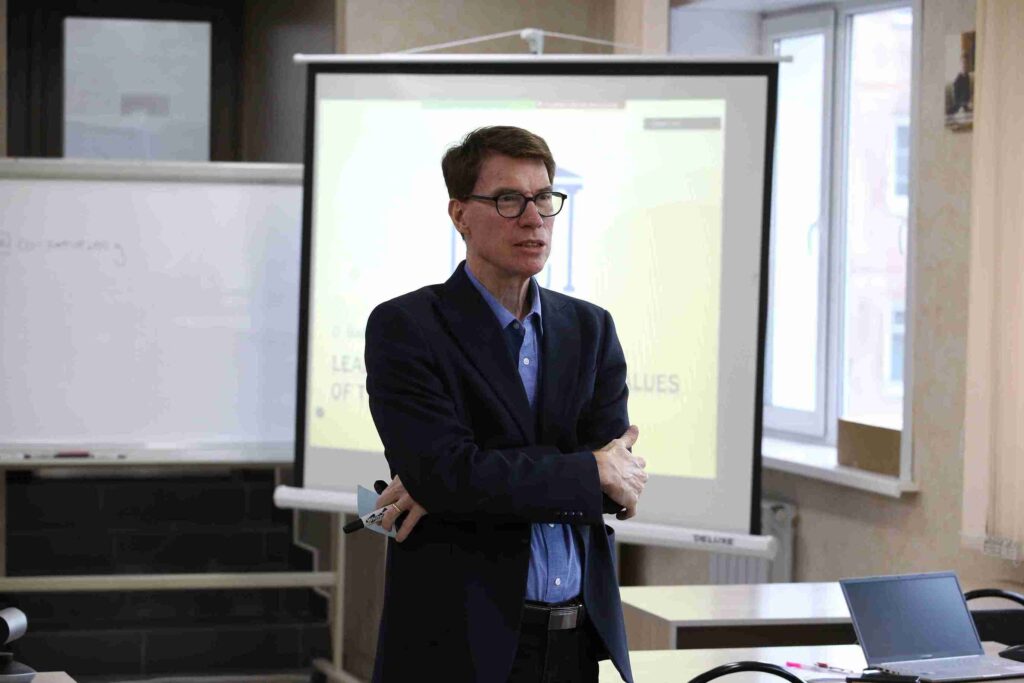
Daniel Ballast, Vice President for International Programs and Partnership, discussed the leadership and values of the modern researcher in his lecture, “Leading with Purpose: Core Values of the Modern Researcher.”
Aigerim M. Ismukhametova, PhD, and Alexandra G. Astafieva, Director of Creative Development and Entrepreneurship at KAFU and a doctoral candidate at Edge Hill University (UK), presented the report “Scientific Leadership and Project-Based Thinking: From Idea to Result,” focusing on the project-based approach in the academic environment.
Ruslan K. Chettykbaev, Senior Lecturer, concluded the seminar series by presenting the topic “AI as a Research Partner: The New Skills of Tomorrow’s Scholars,” which explored the potential of artificial intelligence as a tool for scientific analysis and an innovative partner for researchers.
The seminars provided a valuable platform for sharing experiences and developing the competencies necessary for young university scientists to confidently launch their scientific careers.