Artificial Intelligence as a Factor in the New Scientific Reality: the Plenary Session of the XVI International Forum of Young Scientists at KAFU
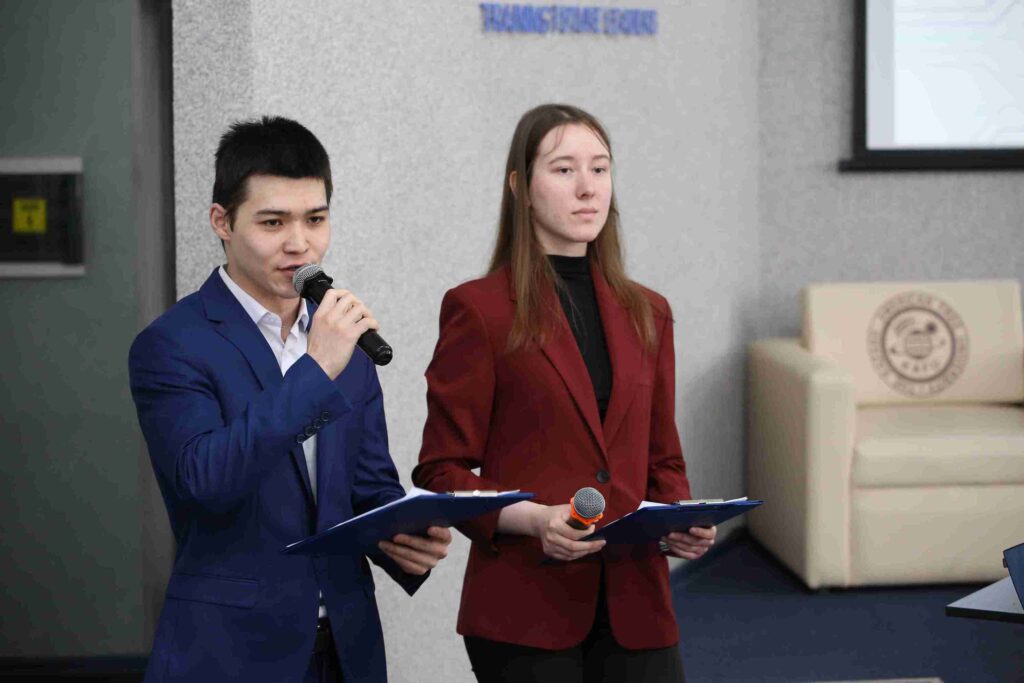
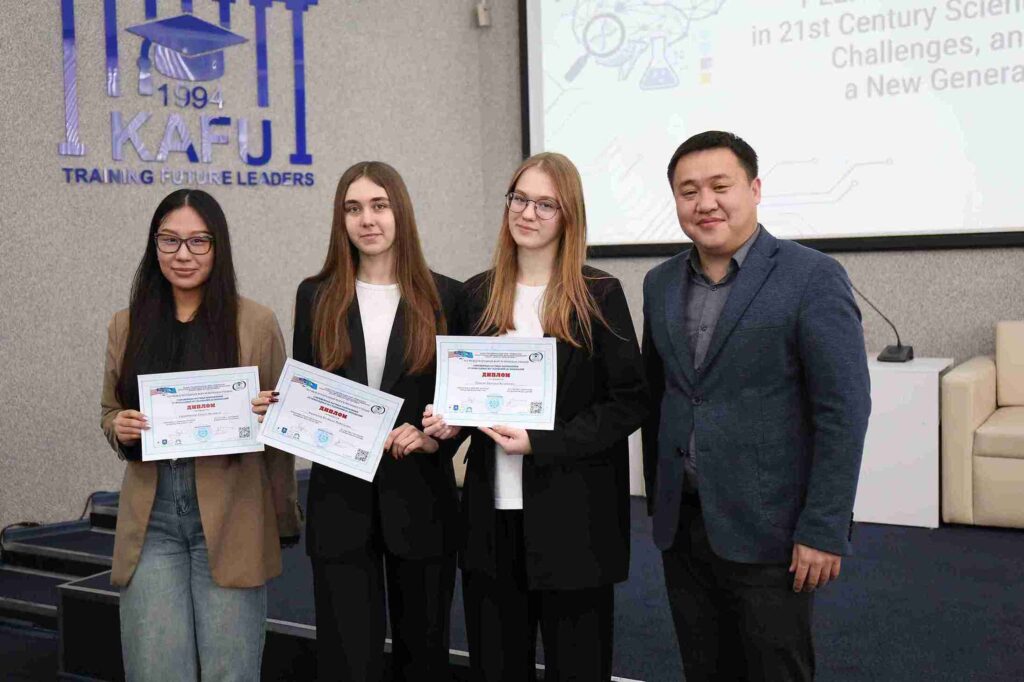
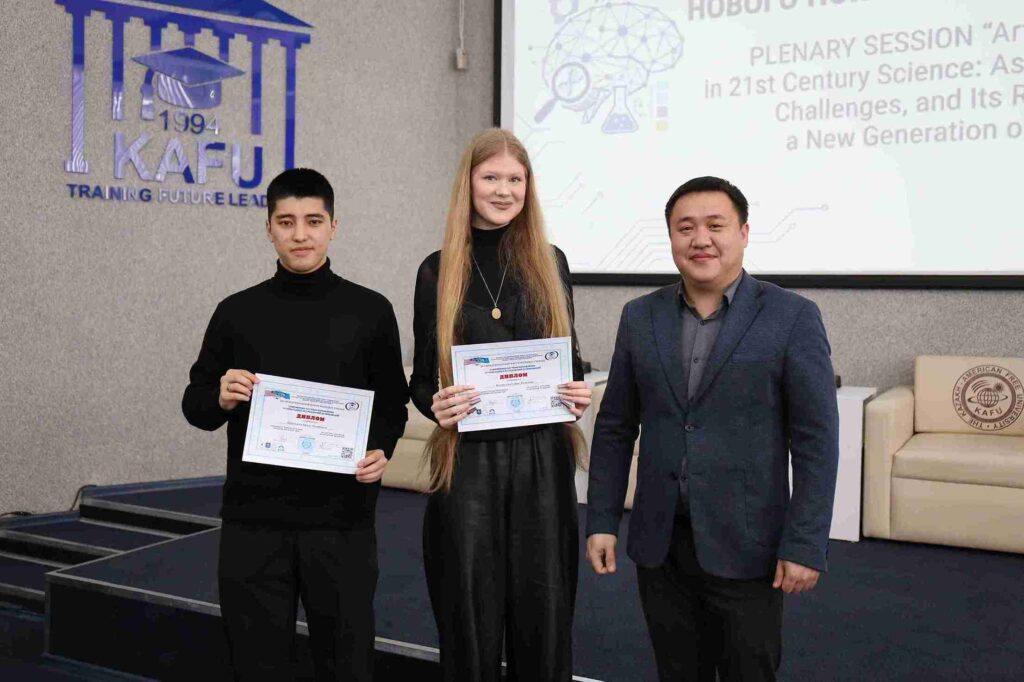
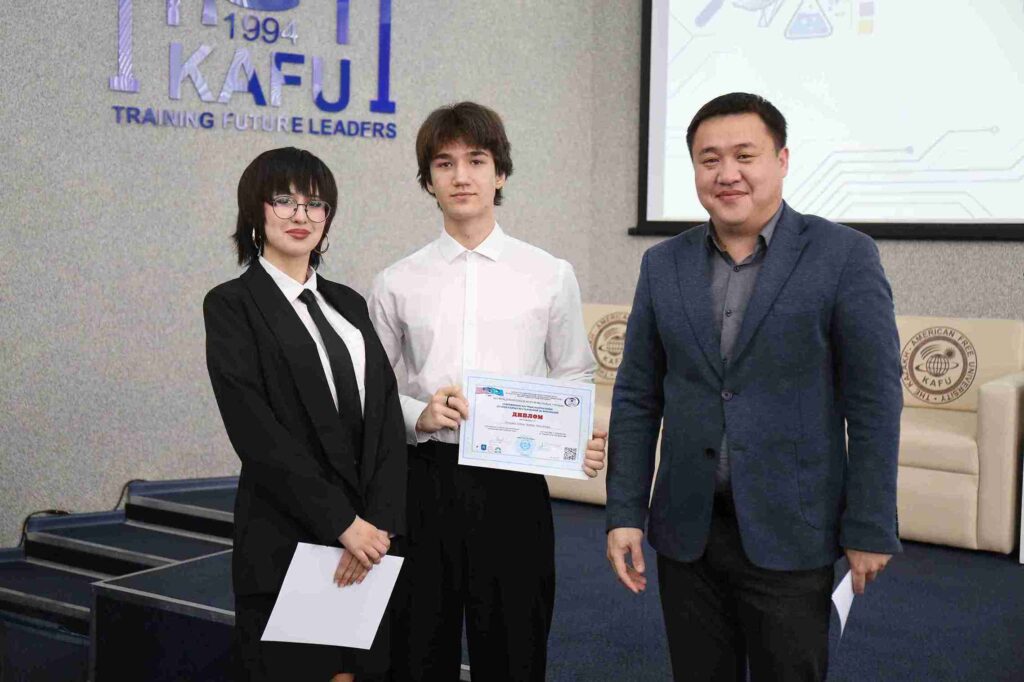
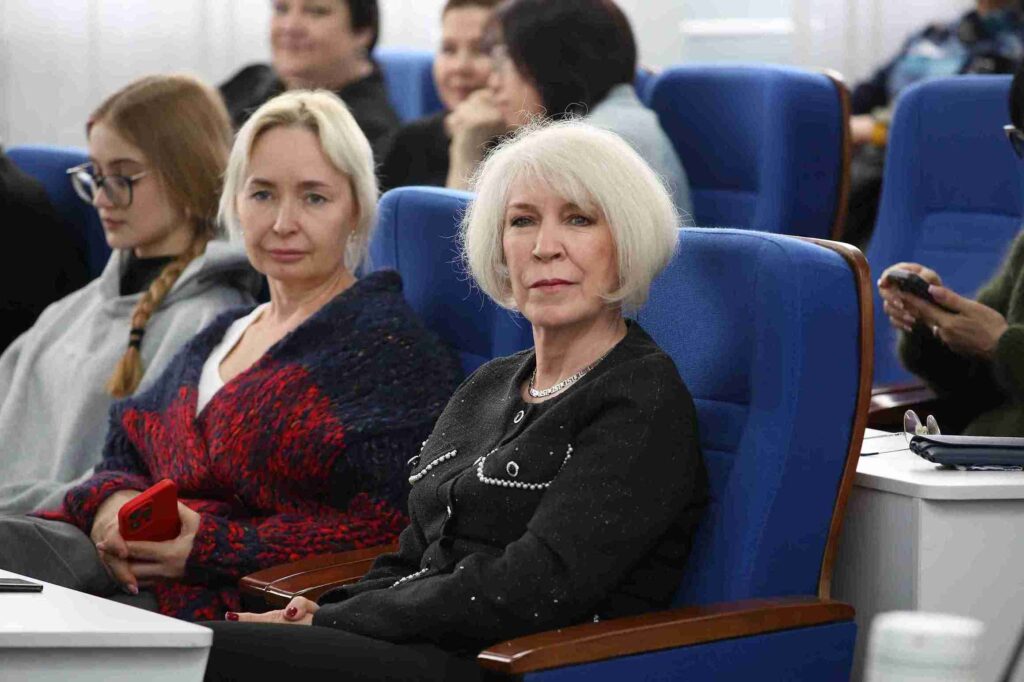
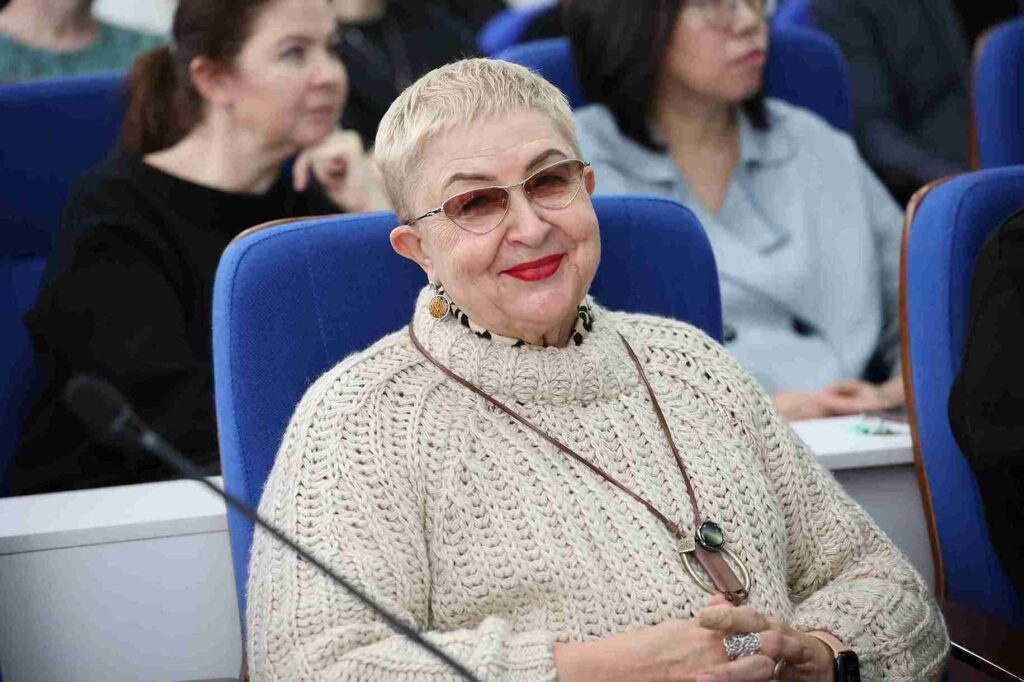
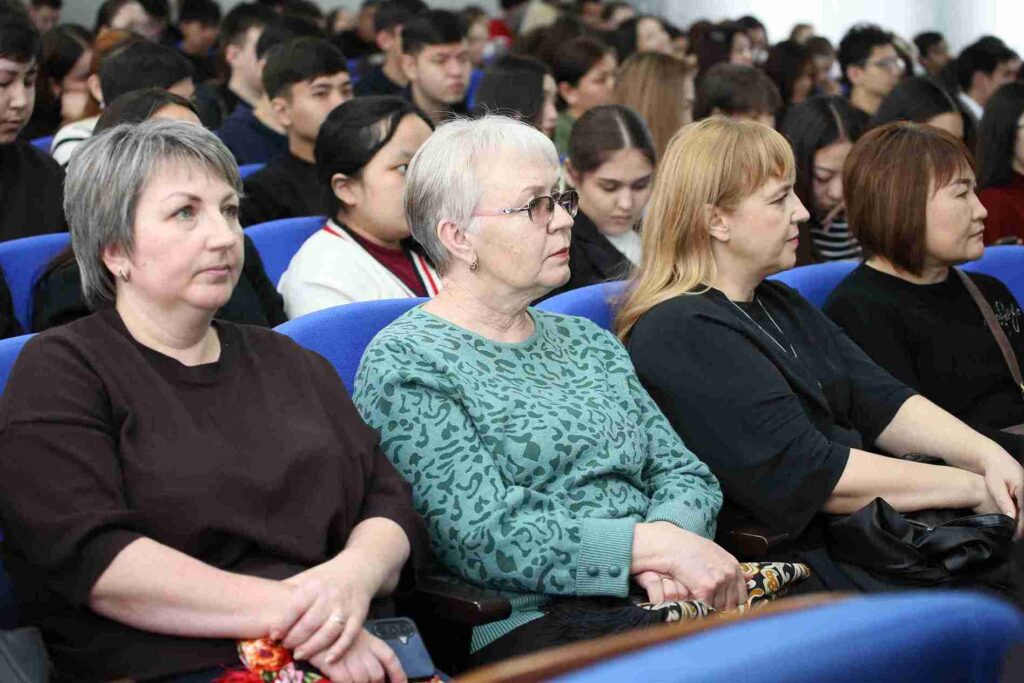
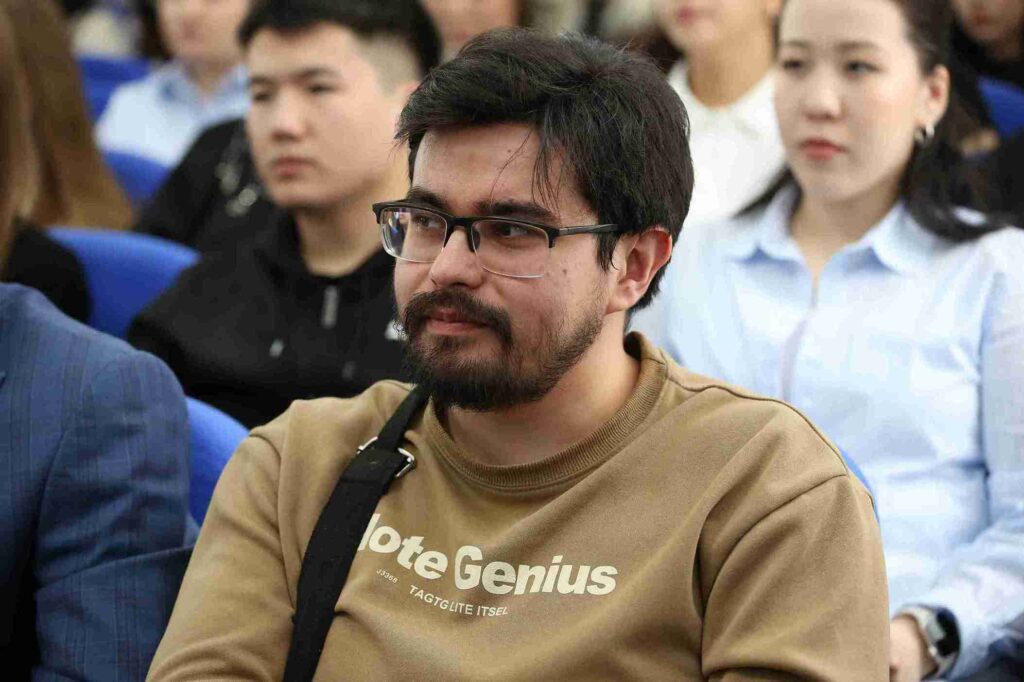
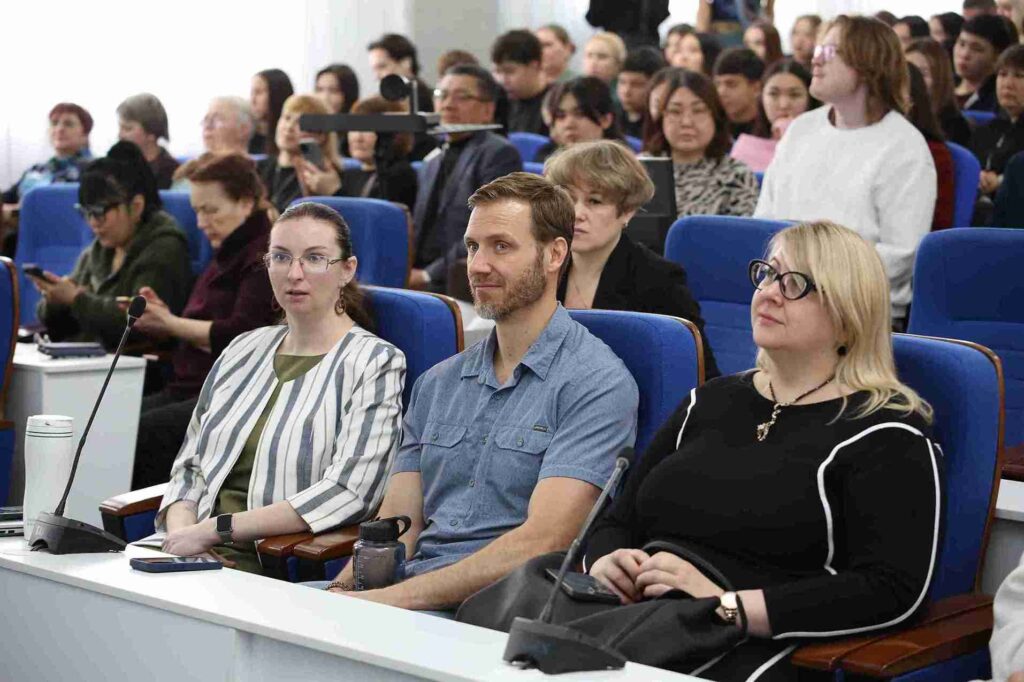
On April 17, 2026, a plenary session entitled “Artificial Intelligence in 21st Century Science: Assessing Opportunities, Challenges, and Its Role in Shaping a New Generation of Researchers” was held at the Kazakh-American Free University as part of the 16th International Forum of Young Scientists “Modern Scientific Trends: From Applied Research to Innovation.”
The event brought together students, faculty, young researchers, and invited experts to discuss the role of artificial intelligence in science, education, media, law, and public administration.
Opening the plenary session, KAFU First Vice President and PhD Zhassulan Y. Baikenov noted that artificial intelligence is becoming a crucial factor in the transformation of modern scientific knowledge. He noted that digital technologies offer new opportunities for processing large data sets, accelerating research, and implementing innovations, but simultaneously require academic integrity, developing critical thinking, and a high level of research responsibility.
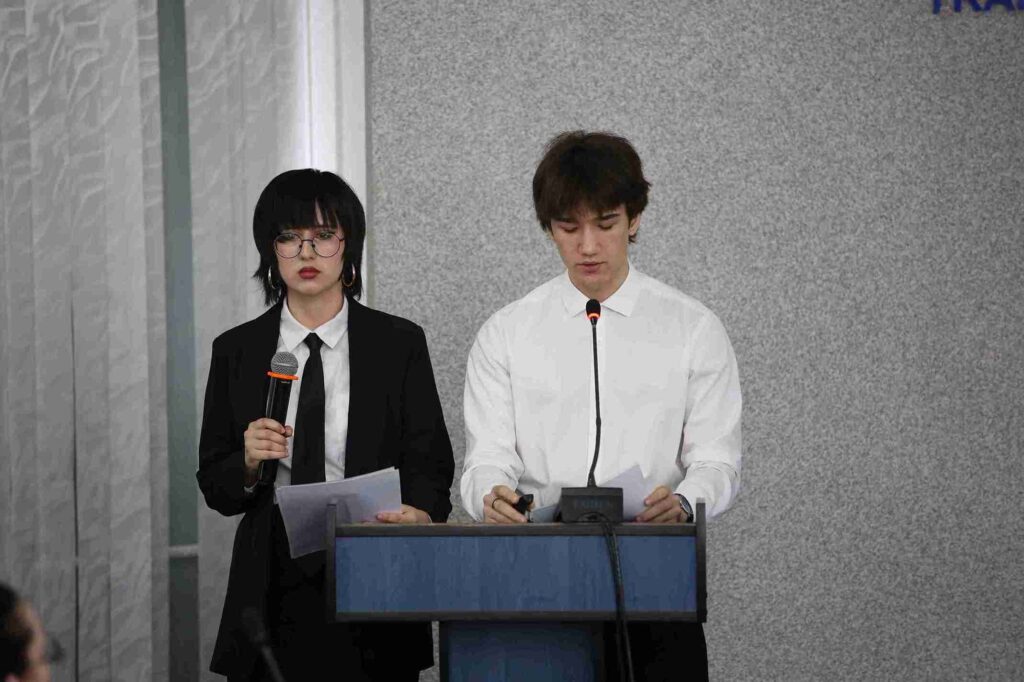
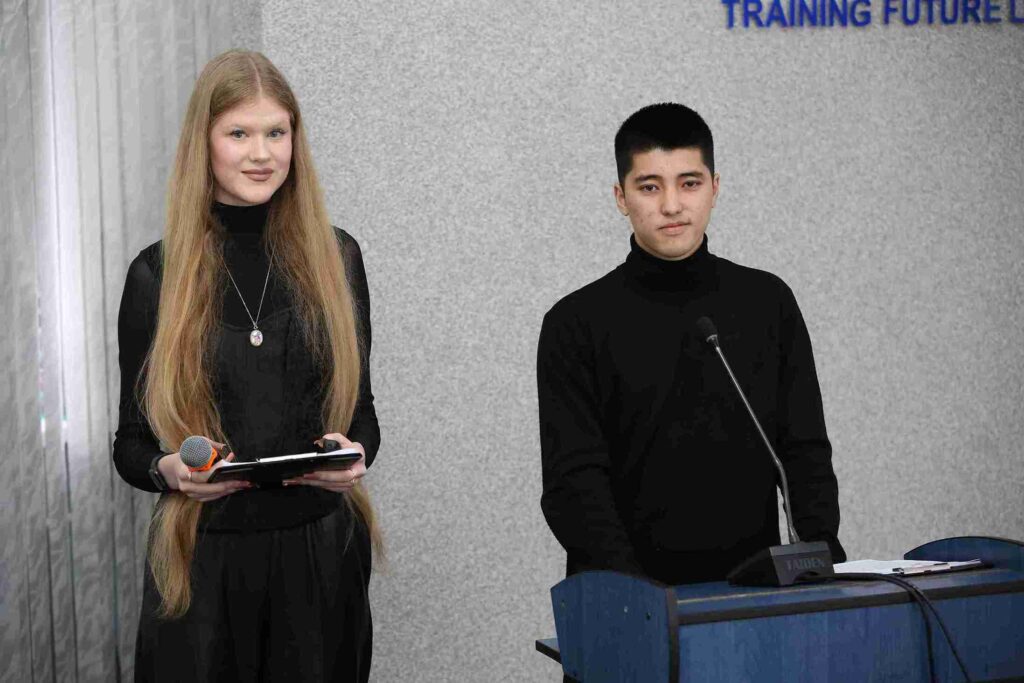
The substantive portion of the plenary session demonstrated the wide range of ways in which artificial intelligence is already influencing social processes. KAFU Higher College students Sabina Dadaeva and Artur Dzhambulatov presented their research, “Artificial Intelligence in Detecting Crimes through CCTV Camera Systems.” The authors examined the potential of intelligent video surveillance, automated data analysis, and improved law enforcement effectiveness.
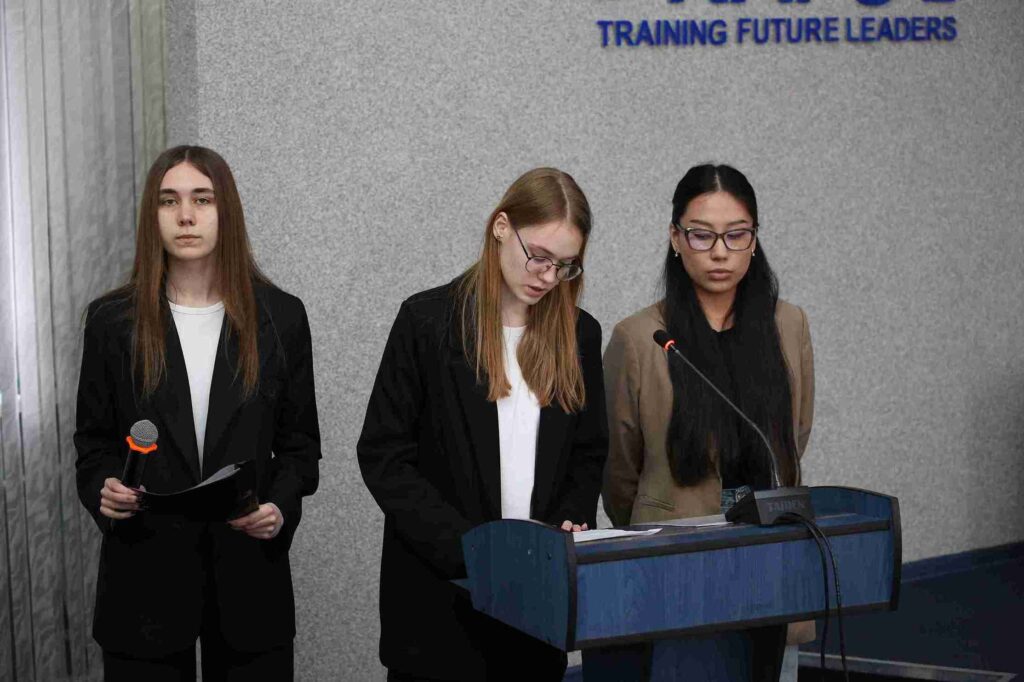
First-year students Vassilissa Ryzhova, Nastasya Ashikhmina, and Aizagul Sarqytpaeva presented a paper titled “Beyond the Digital Delusion: Reclaiming Human Expertise for Responsible Information Production and Consumption in Language Studies.” The paper addressed the issue of preserving human expertise in the context of the digitalization of the information environment and the active use of generative technologies.
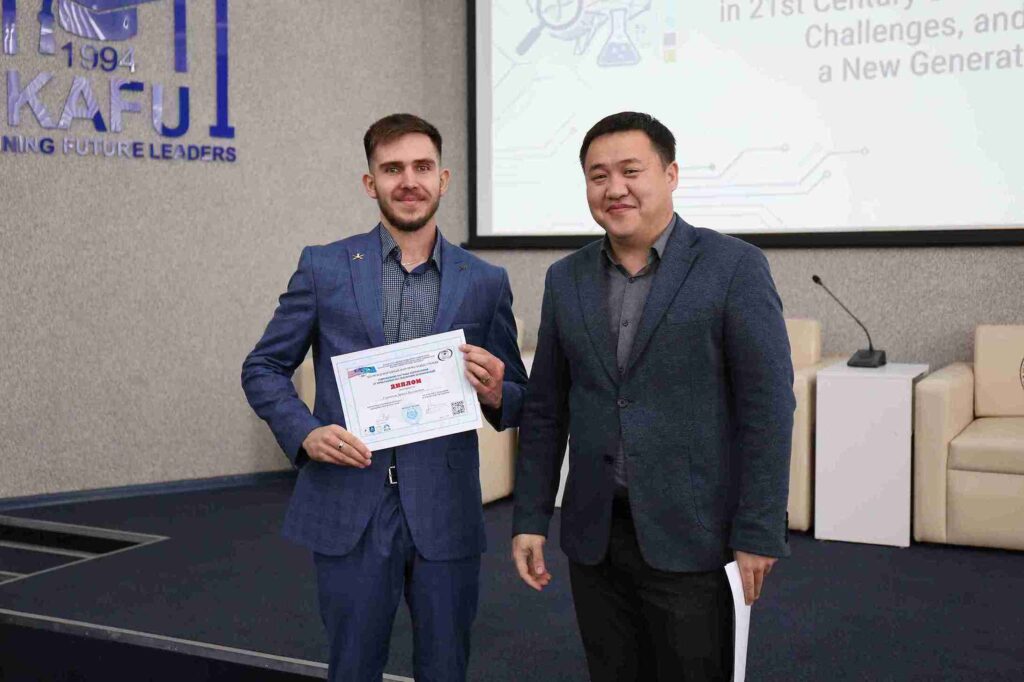
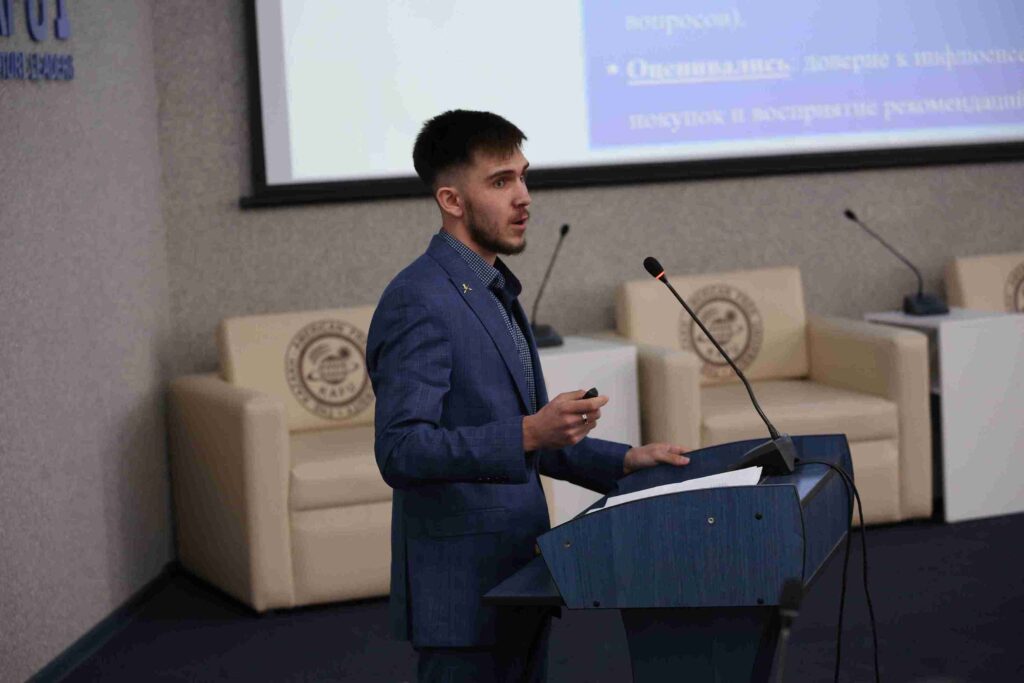
KAFU University student Artem Glushakov presented the topic “Digital Marketing Tools for the Promotion of Tourism Services on Social Media Platforms,” which examined modern digital tools for promoting tourism services, personalization algorithms, and the potential of social media for business development.
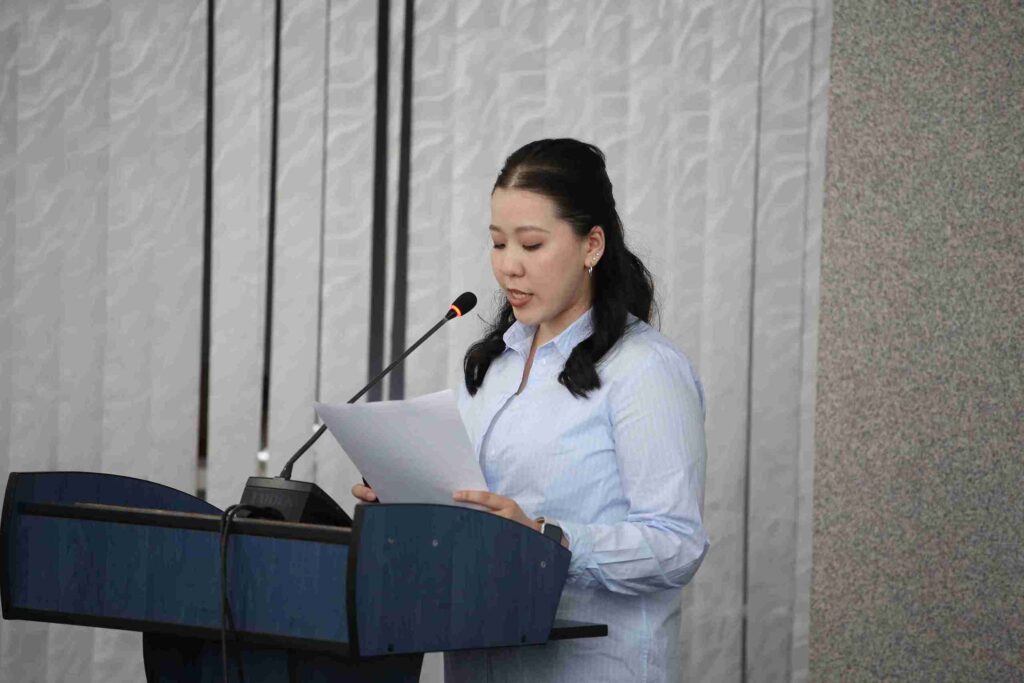
Participants Sofia Koltygina and Marat Yerassyl presented a paper titled “Transformation of Journalism in the Age of Generative AI.” The paper focused on changes in journalism influenced by generative artificial intelligence, new content creation formats, and issues of information reliability. Aisulu Kurakpaeva presented a report, “Digital Transformation of Administrative Procedures,” which analyzed the implementation of electronic services, process automation, and digital solutions in the public administration system of the Republic of Kazakhstan.
Of particular interest was the online presentation by Sergey Yatsenko, a representative of Lomonosov Moscow State University. He presented a report, “Using Wearable Video Recorders in Law Enforcement Activities: The Importance of Primary Information for Crime Investigation (in the Practice of Certain Foreign Countries).” The presentation addressed the evidentiary value of video recordings, the transparency of officer actions, and improving public safety.
The final part of the plenary session featured an AI avatar, which summarized the main ideas of the presentations and emphasized the growing role of artificial intelligence in scientific, professional, and social activities. This format served as a practical demonstration of the capabilities of modern digital technologies.
The plenary session demonstrated the high interest of young people in digital transformation issues and confirmed that modern science is developing at the intersection of technology, humanities, and practical solutions. The Kazakh-American Free University continues to develop the conditions for training a new generation of researchers capable of working effectively in the era of artificial intelligence.