From Idea to Startup: An International Workshop at KAFU
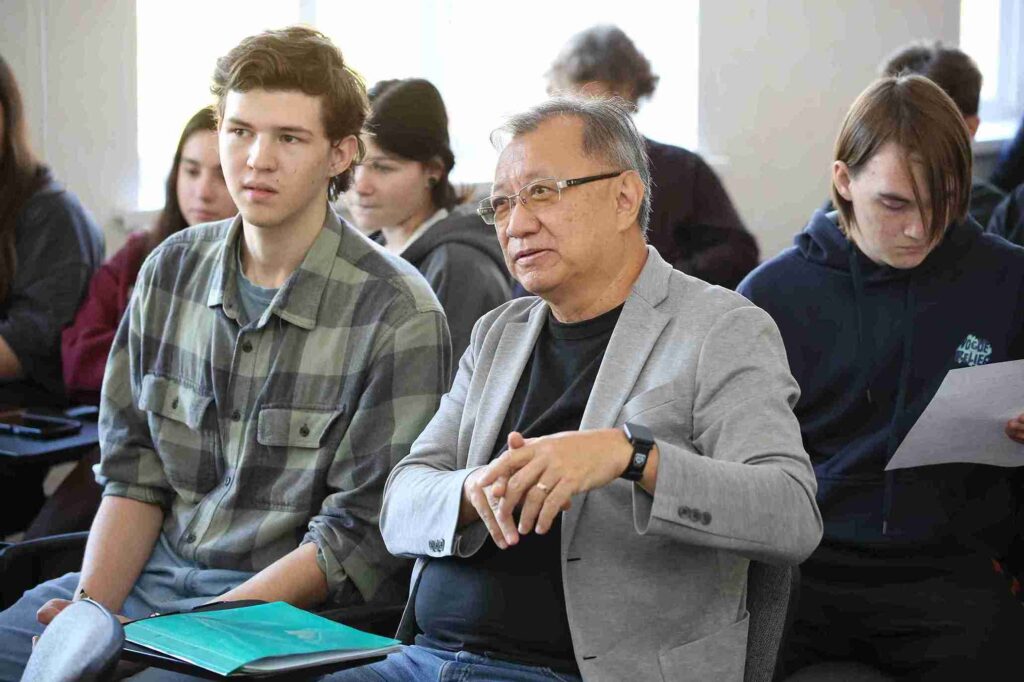
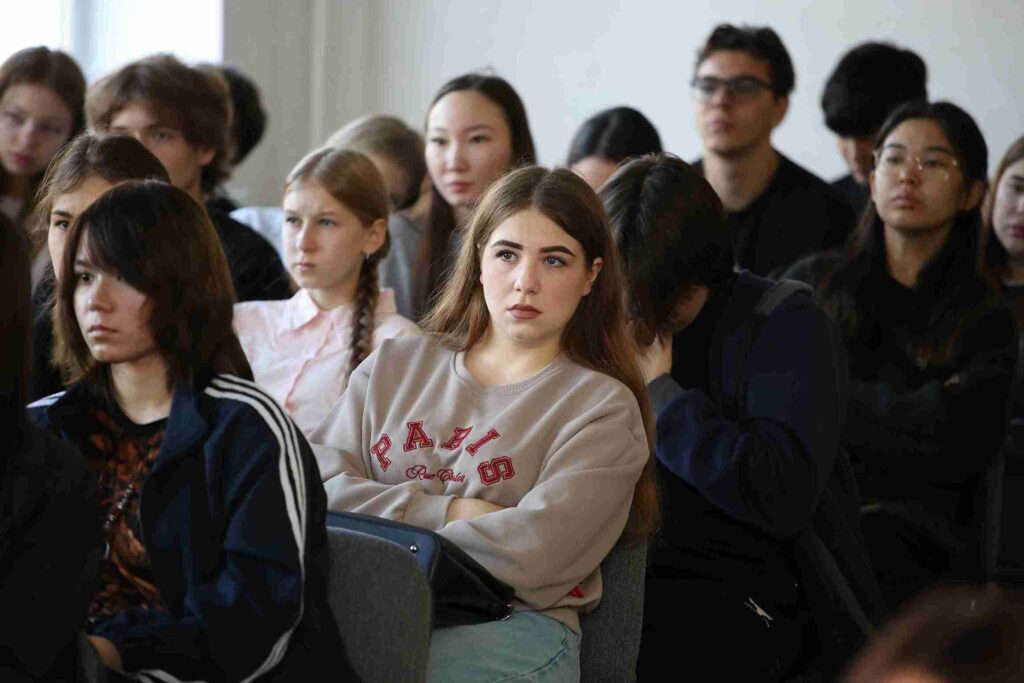
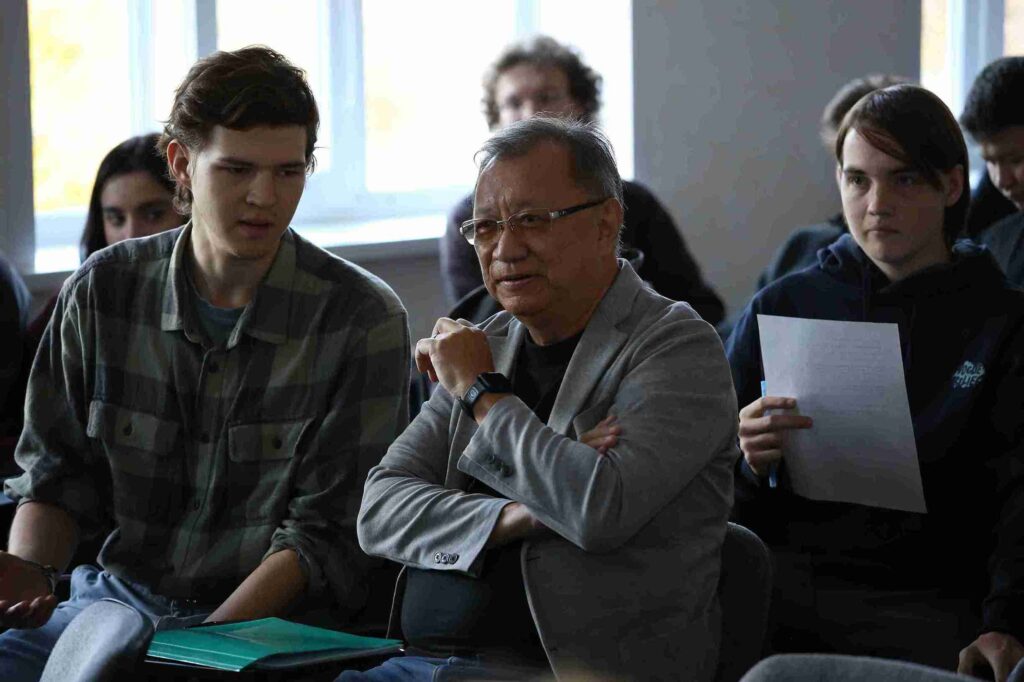
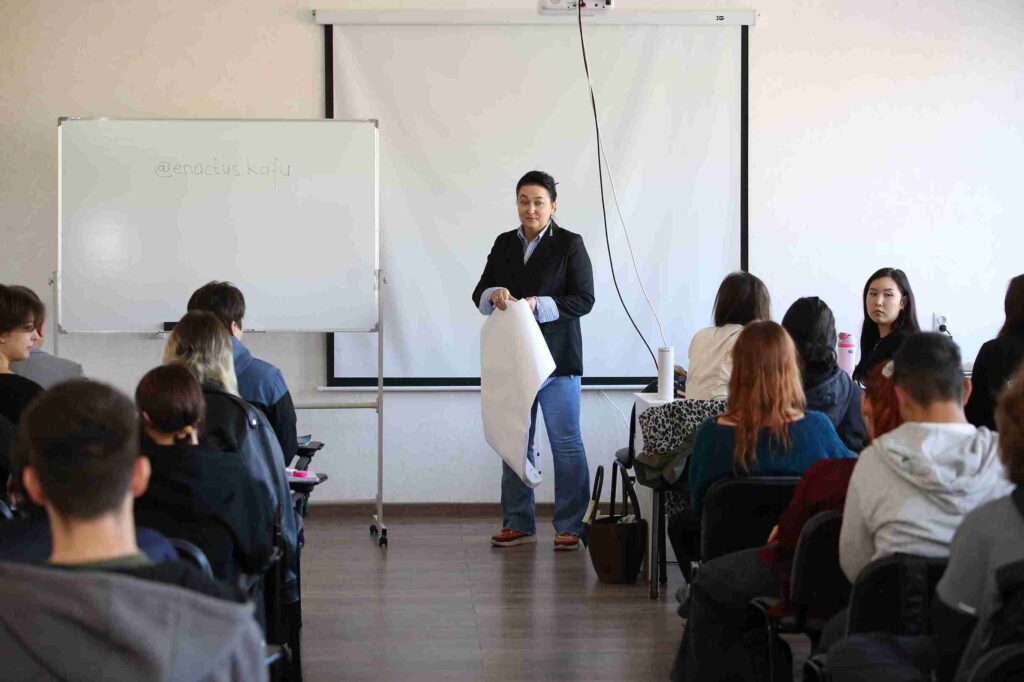
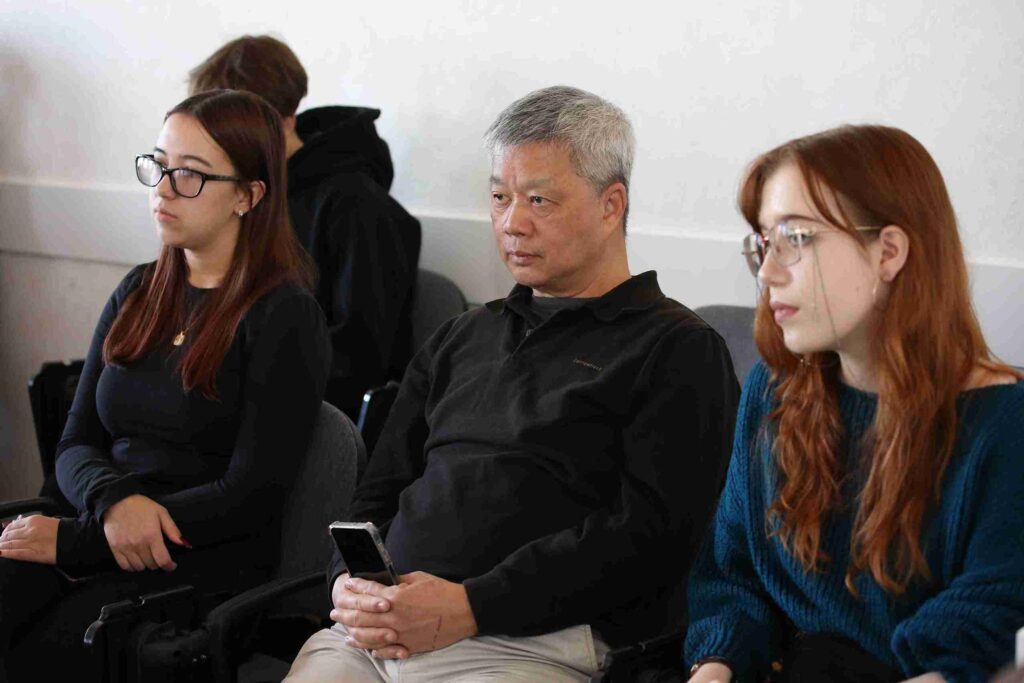
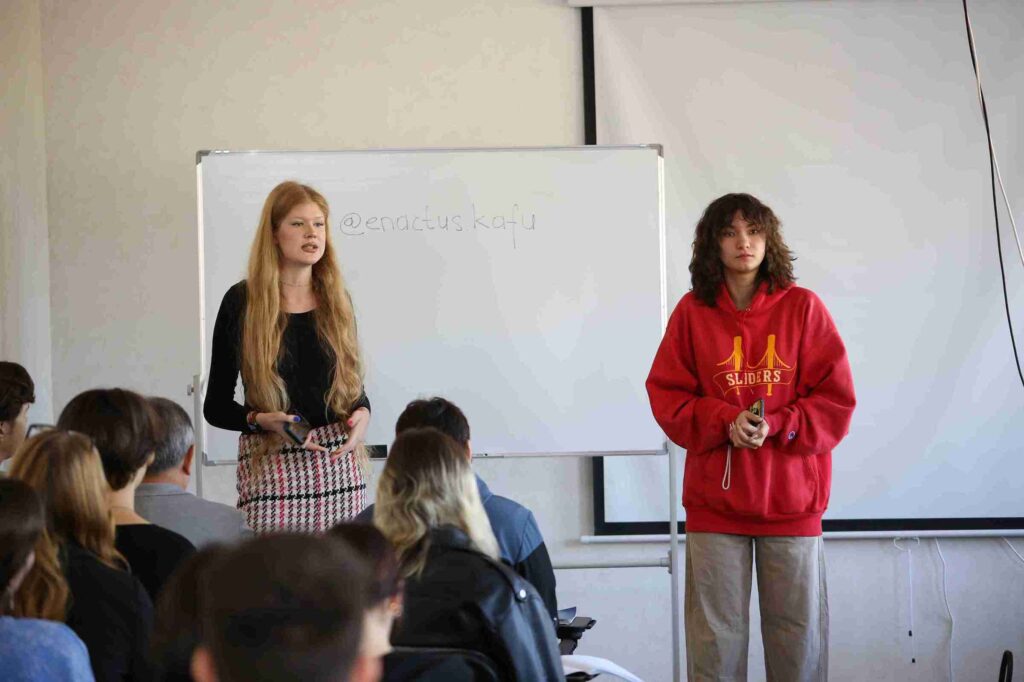
On October 15, 2026, the Kazakh-American Free University (KAFU) hosted a workshop titled “First Step to Startup: Global Mentors & Idea Lab.” Organized by the KAFU Entrepreneurship Center, the event featured international experts in entrepreneurship, leadership, and strategic management.
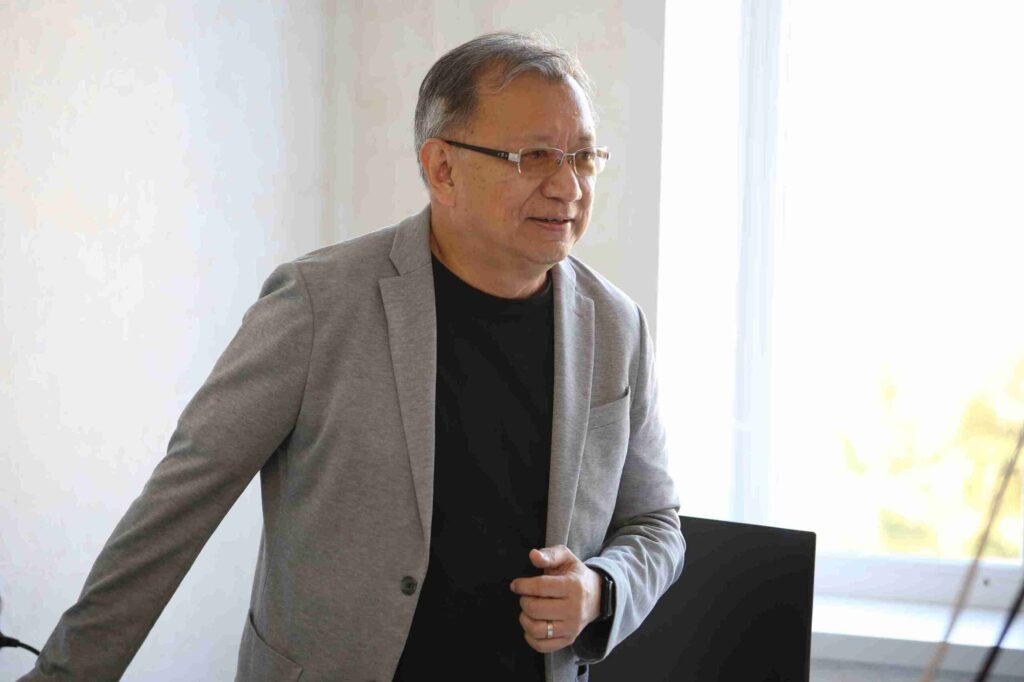
The speakers included Tai Tun Lim, an entrepreneur from Singapore and an international expert in strategic management, and Ronald Wiley, Regional Director of REI and Professor at KAFU.
Tai Tun Lim brings over 40 years of management experience spanning the public, commercial, and non-profit sectors. His professional philosophy is rooted in the concept of the “three-sector athlete”—an individual capable of working effectively across business, government, and civil society by integrating resources and opportunities from each sector to achieve common goals.
Ronald Wiley focused on the development of entrepreneurial initiatives and international cooperation. Drawing on his extensive professional background, he highlighted the importance of an entrepreneurial mindset, effective communication, and global professional networks for the successful launch and growth of startups. He placed particular emphasis on the role of mentorship, teamwork, and the ability to transform promising ideas into concrete projects.
Through Ronald Wiley’s contribution, entrepreneurship was framed not merely as a tool for building a business, but also as a pathway for professional development, international engagement, and the realization of socially significant initiatives.
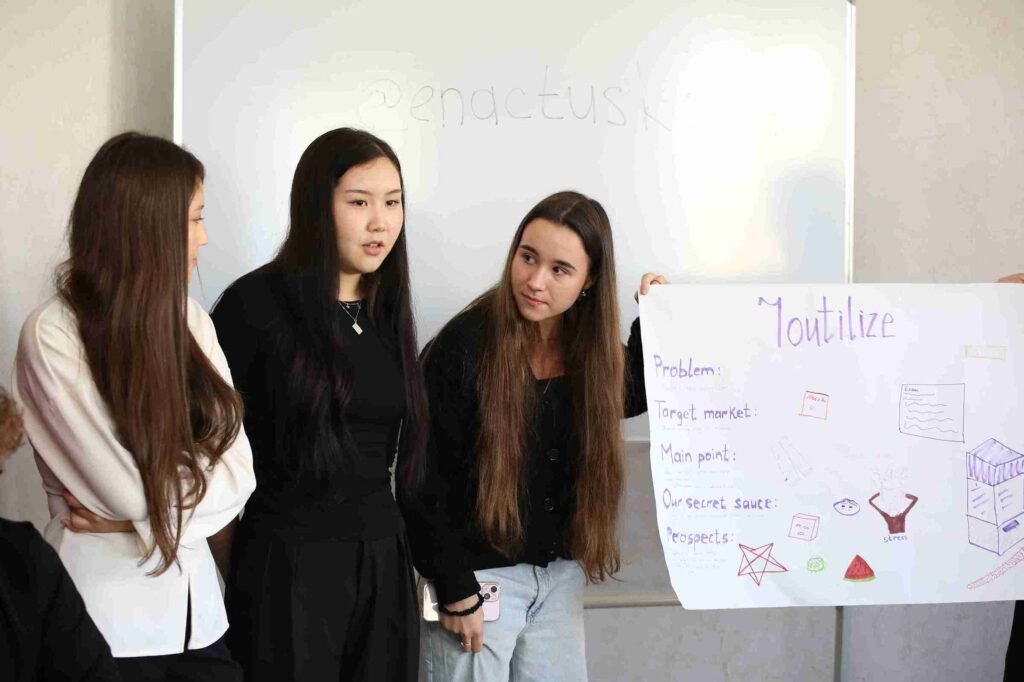
The workshop was dedicated to cultivating an entrepreneurial mindset, identifying viable business ideas, and taking the initial steps toward launching a startup. Participants explored international approaches to entrepreneurship and discussed the critical role of strategic planning, leadership qualities, and innovative thinking in the successful execution of projects. Special attention was paid to the practical aspects of transforming an idea into a viable project, including the ability to identify the needs of a target audience, assess market opportunities, and devise unconventional solutions.
The meeting served as a platform for exchanging international experience and fostering an open dialogue between experts and students. Participants gained insight into entrepreneurship through the lens of global trends and learned about the competencies required to bring their own initiatives to life.
Events of this nature contribute to the development of an entrepreneurial culture at KAFU, the expansion of international cooperation, and the cultivation of skills among students that are highly valued in today’s professional environment.