Future Psychologists Gain Insight into Crisis and Socio-Psychological Support Practices
On November 10, 2026, third-year students in the “Psychology” degree program—as part of their “Medical Psychology” coursework—met with professionals from organizations that provide socio-psychological support to individuals facing difficult life circumstances.
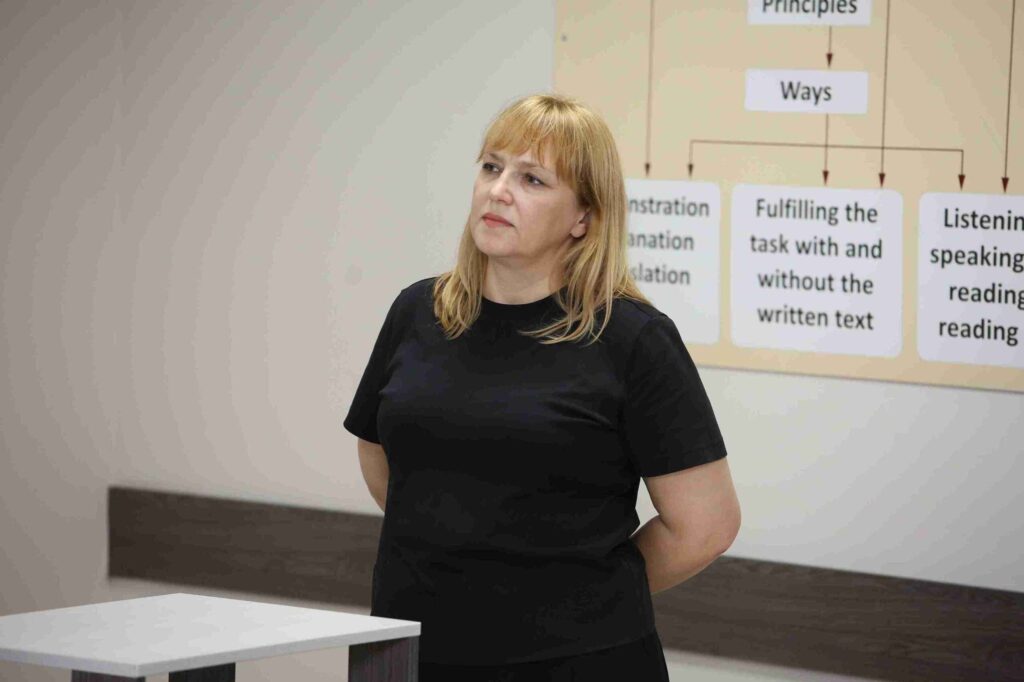
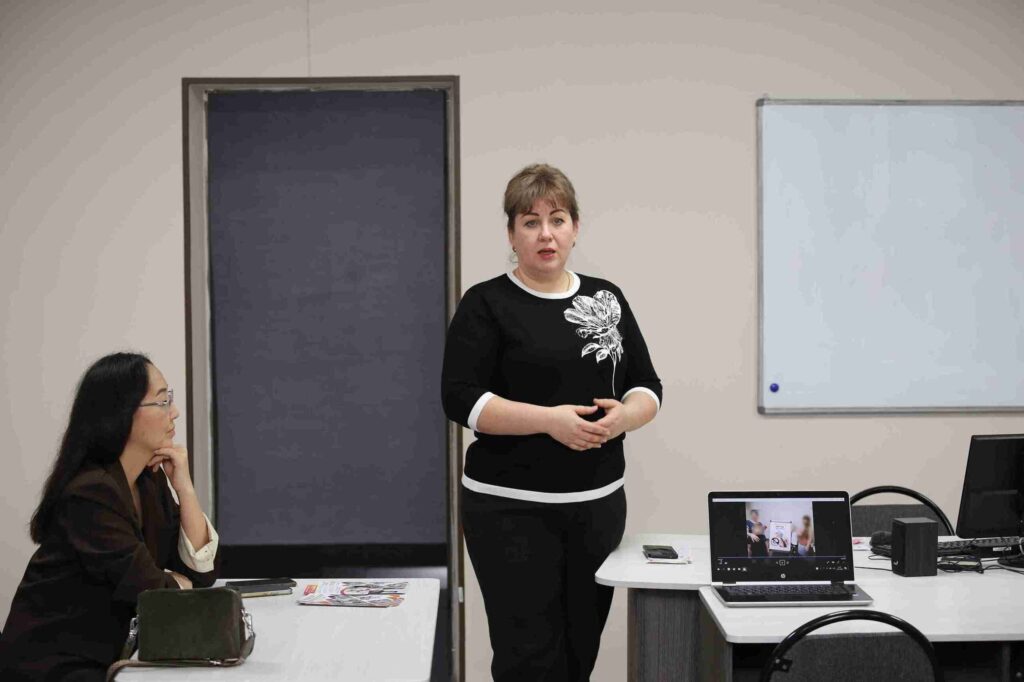
Alexandra N. Romanovskaya, a practicing psychologist at the Department of Socio-Psychological Support for Crisis Resolution—part of the “Ulba” Municipal Territorial Center for Social Services under the Akimat of Oskemen — introduced the students to the department’s structure and core activities. The department’s primary objective is the socio-psychological rehabilitation and adaptation of individuals who have experienced domestic violence or are navigating complex, challenging life situations.
During the meeting, particular attention was given to the operation of a crisis hotline, the organization of counseling services, and the availability of temporary shelter for victims of domestic violence.
A significant portion of the discussion focused on the psychological characteristics of individuals who have experienced violence. The students learned about various categories of victims, the specific approaches to providing support to children and adults, and the subsequent pathways for assisting individuals in crisis. The future psychologists gained a deeper understanding of the importance of interagency cooperation and a comprehensive, multidisciplinary approach to crisis intervention.
Another guest speaker was Leyla G. Abisheva, a practicing psychologist at the “Dom Mamy” (Mother’s House) Resource Center, operated by the “Ana Üyi” Public Foundation. This project is dedicated to preventing “social orphanhood” and supporting women with children who find themselves in difficult life circumstances.
The discussion highlighted, in particular, the socio-psychological support provided to pregnant women and mothers with newborns who are at risk of relinquishing their children. The students were introduced to the center’s structure, the work of its specialists, and its core areas of activity. They learned about the living conditions provided for women and children, as well as the medical, legal, and psychological support available. They also explored the training provided in essential life skills, along with assistance in finding employment and achieving social integration.
The meeting took the form of an open professional dialogue. The students actively asked questions and discussed with the specialists the nuances of providing psychological support to individuals facing crisis situations.
Such meetings allow aspiring psychologists to gain insight into the practical aspects of their chosen profession, broaden their understanding of the various forms of socio-psychological and crisis intervention, and develop key professional competencies. Engaging with the real-world experience of these specialists also fosters a sense of responsibility, empathy, and a respectful attitude toward those in need of support.