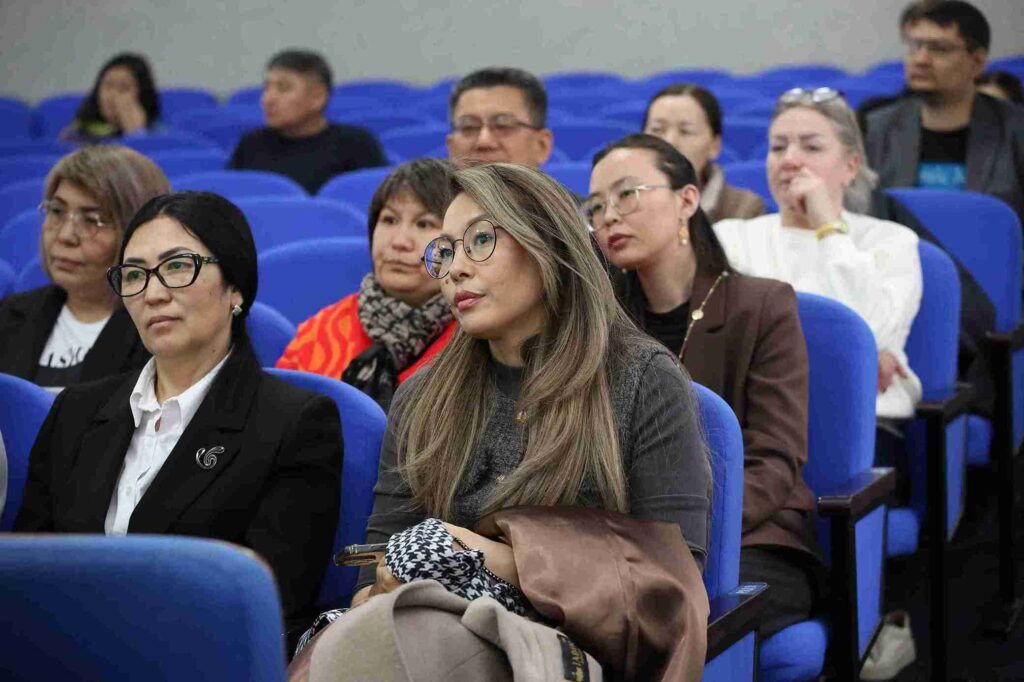
Guest Lecture by an International Expert in Scientific Publishing at KAFU as Part of the XVI Forum of Young Scientists
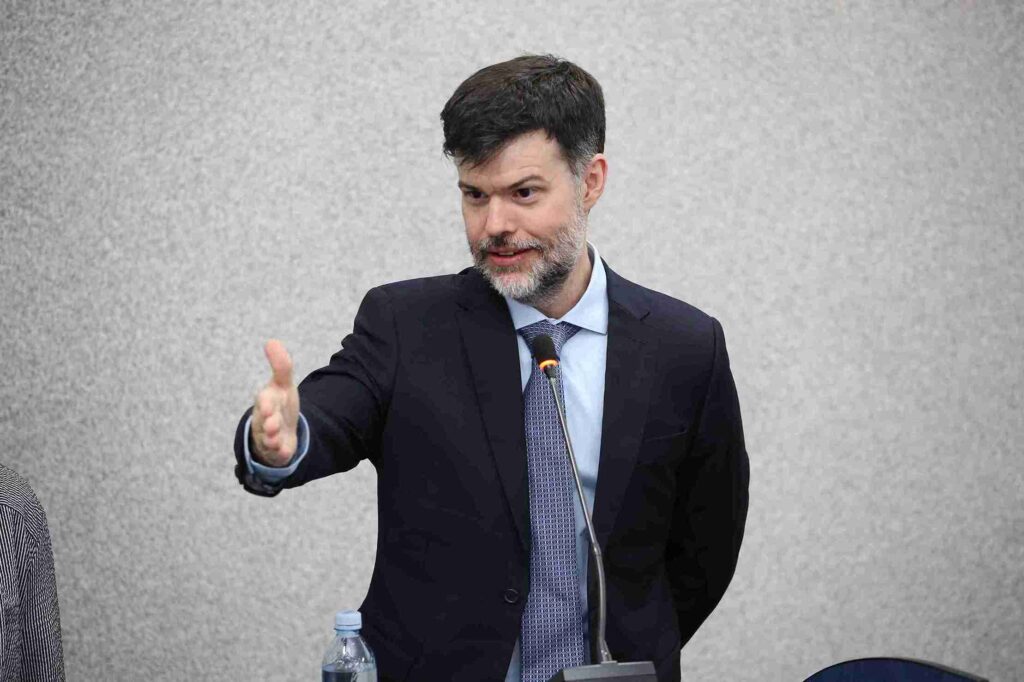
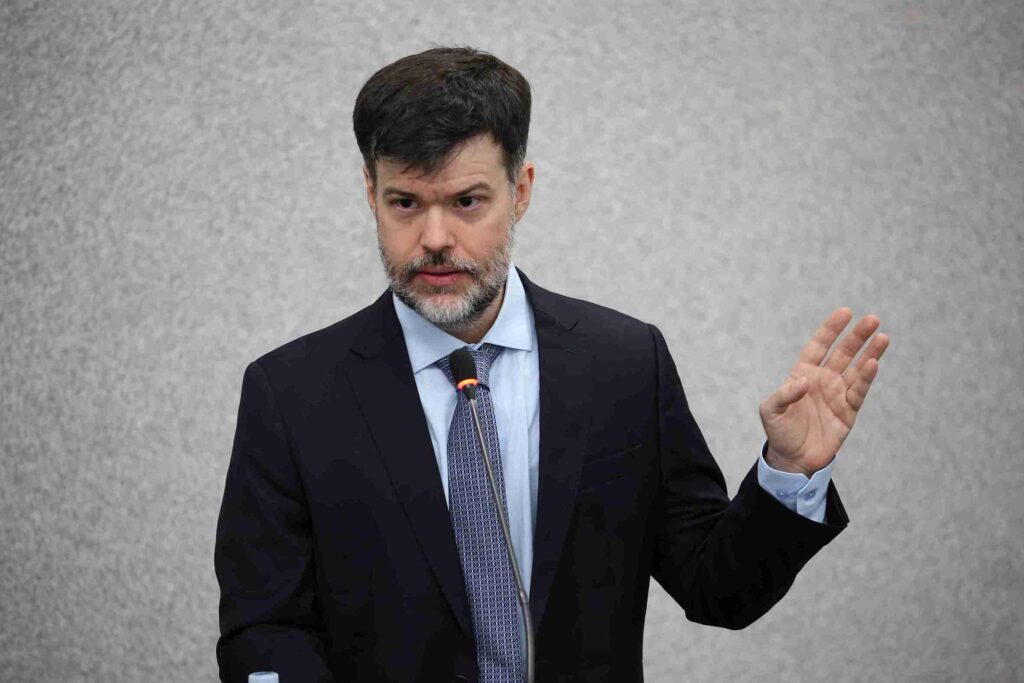
On April 15, 2026, as part of the XVI International Forum of Young Scientists “Modern Scientific Trends: From Applied Research to Innovation,” a guest lecture on “Why Articles Are Rejected: An International Journal Editor’s Perspective” was held at the Kazakh-American Free University.
The speaker was Daniel Brantes Ferreira, Doctor of Jurisprudence, Director General of the Brazilian Center for Arbitration and Mediation, and Editor of the Brazilian Journal of Alternative Dispute Resolution (Rio de Janeiro, Brazil).
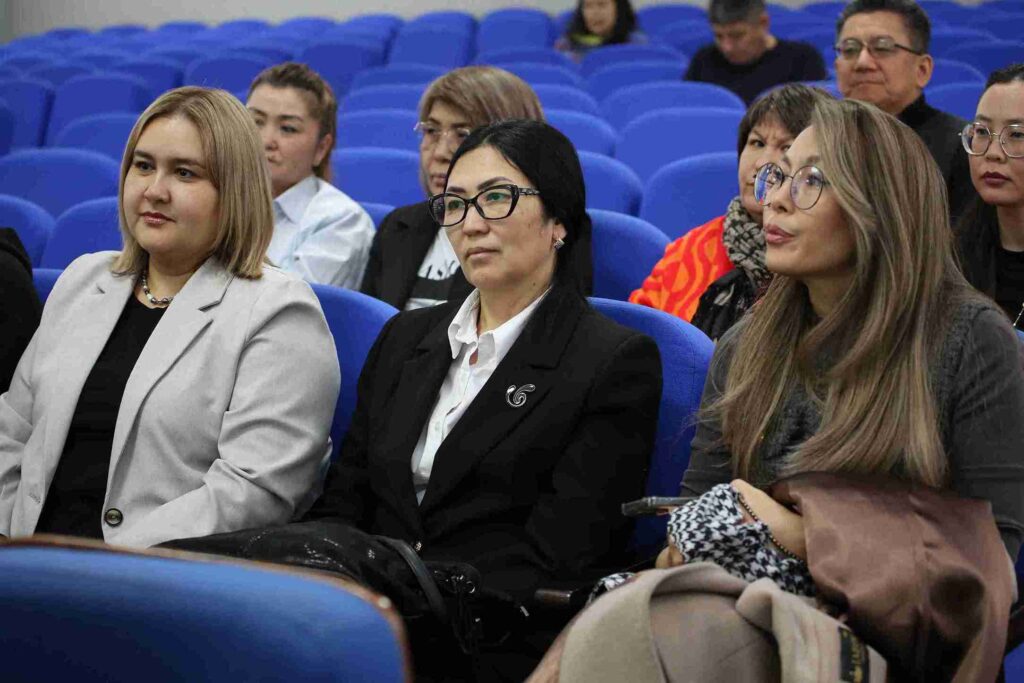
The lecture generated considerable interest among faculty, graduate students, doctoral students, and young researchers, as it focused on one of the most pressing topics in modern science: the reasons for rejection of scientific articles by international journals and strategies for successful publication.
During his presentation, the expert detailed the author’s and editor’s perspectives, outlining the key errors that most often lead to article rejection before submission for peer review. According to the speaker, decisions can be made within minutes of submission, so the quality of the article’s structure, clarity of the research question, the presence of a research gap, and a compelling methodology are of particular importance.
Particular attention was paid to the following aspects of publication preparation:
• formulation of a relevant and specific research question;
• identification of the scientific novelty and contribution of the study;
• logical connection between the introduction, methodology, and conclusions;
• high-quality analytical review of the literature;
• compliance of the article with the objectives and scope of the selected journal;
• strict adherence to editorial requirements;
• competent formatting of the abstract and cover letter.
A separate section of the lecture was devoted to the use of artificial intelligence in academic writing. Daniel Brantes Ferreira emphasized that overreliance on AI can lead to formulaic text, superficial analysis, and erroneous citations, significantly increasing the risk of article rejection.
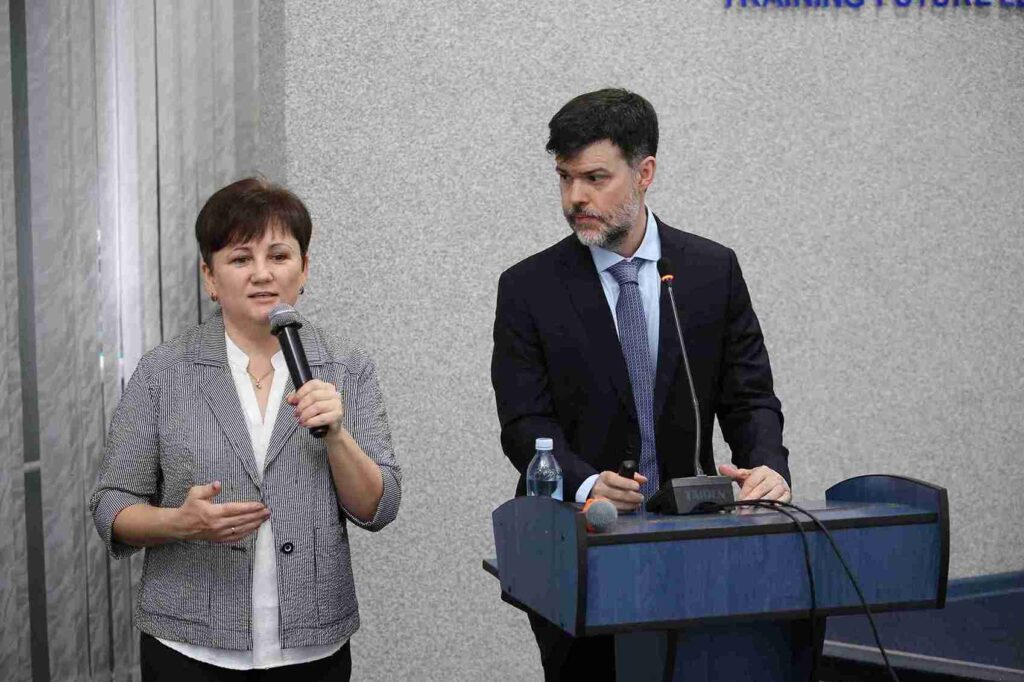
The main part of the lecture was followed by a lively and informative discussion. Participants actively asked questions of the speaker, discussed current issues in publishing, the requirements of international journals, and prospects for the development of scientific research. The open format of the discussion generated great interest and allowed the audience to receive valuable practical recommendations from an international expert.
Holding such events confirms the Kazakh-American Free University’s commitment to developing the scientific community, expanding international cooperation, and supporting young scientists on their path to high academic achievement.