How Data Turns into Real Decisions: Key Outcomes of the EITI Training in Ust-Kamenogorsk
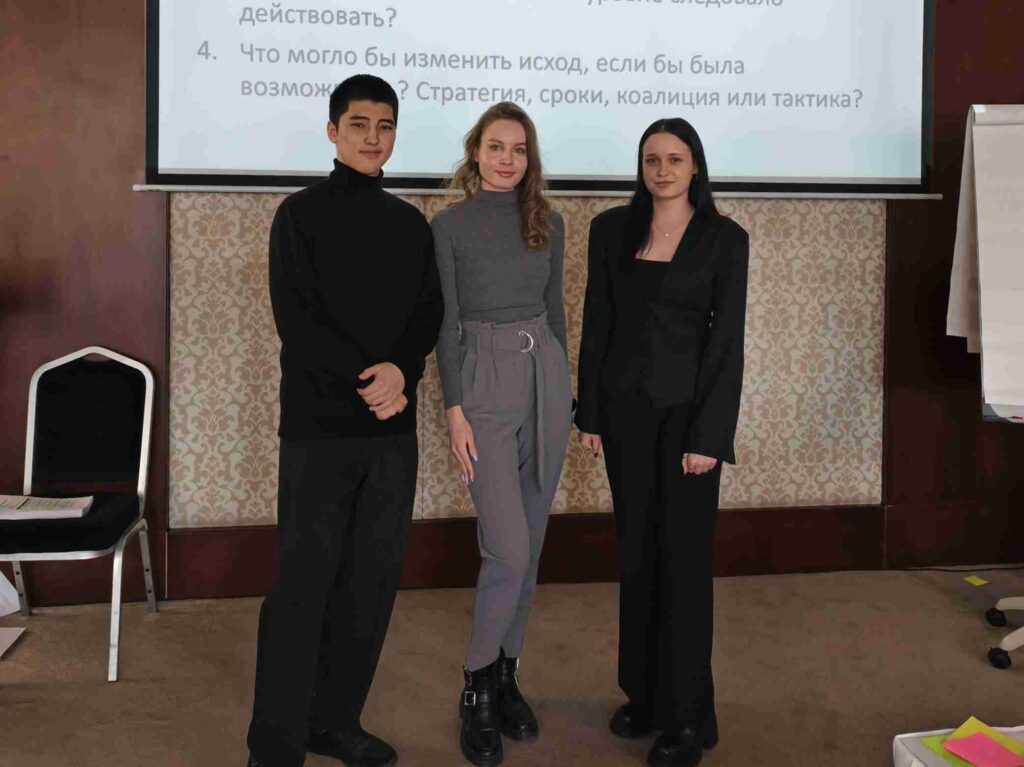
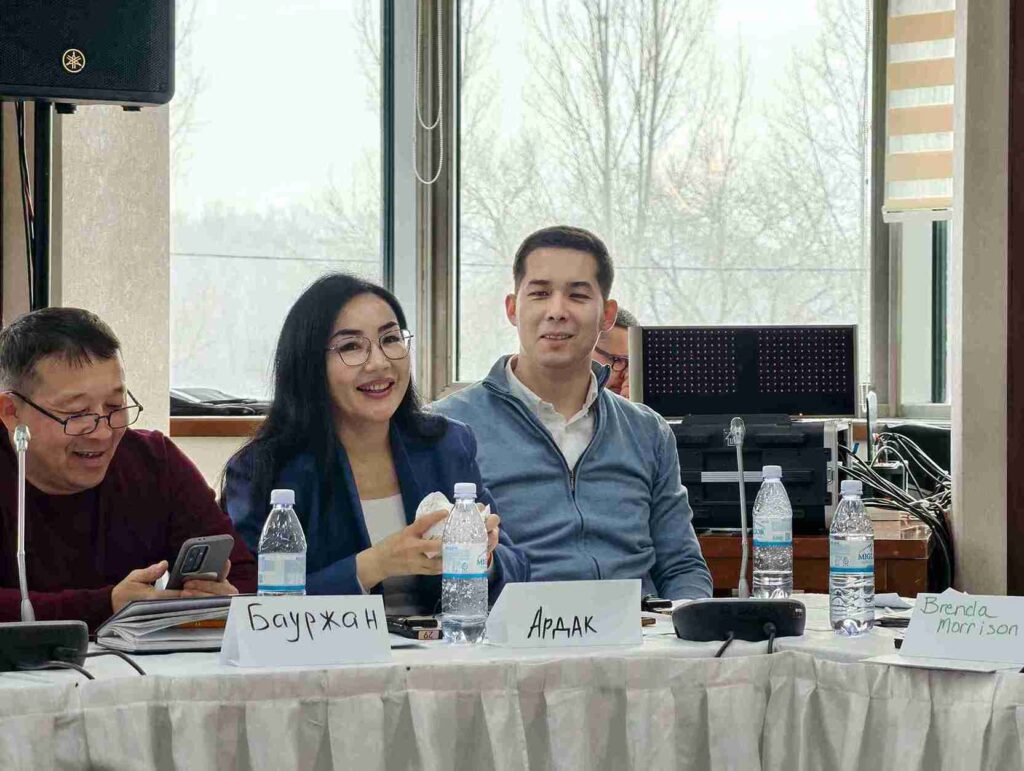
On March 30–31, 2026, a training session was held in Ust-Kamenogorsk focused on transparency and effective interaction in the extractive sector between government, business, and society. The event brought together representatives of civil society, government agencies, companies, as well as journalists and students from the Kazakhstan-American Free University.
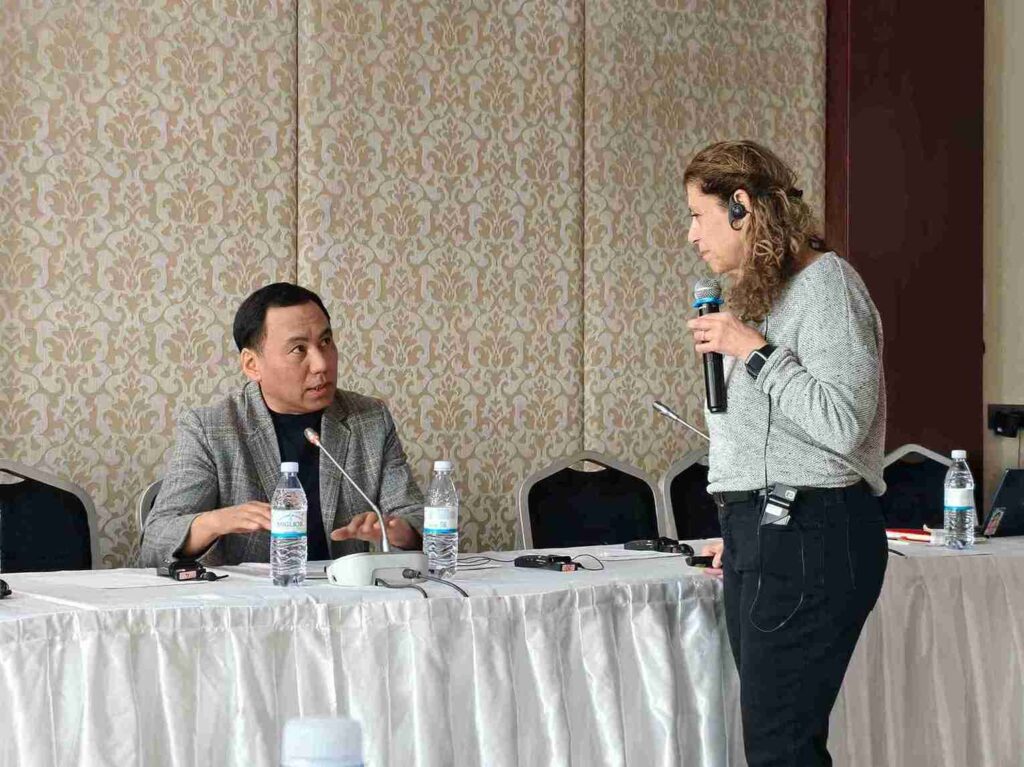
The training was organized by the Financial Services Volunteer Corps (FSVC), with international experts in advocacy and extractive sector governance serving as key speakers.
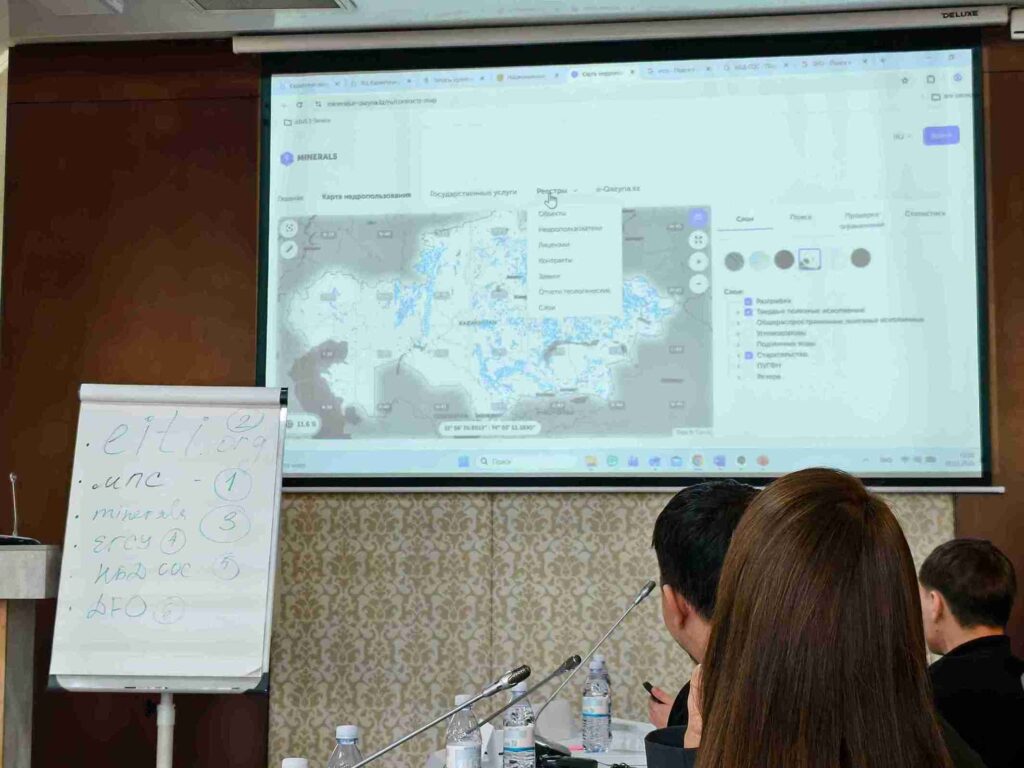
On the first day, participants were introduced to the Extractive Industries Transparency Initiative (EITI) and discussed the sources where relevant information can be found. Tatyana Sedova, a member of the National Stakeholders Council of EITI, provided a detailed overview of its principles, data sources, and existing challenges, drawing on her personal experience.
Special attention was given to the regional context. Participants discussed how the mining industry impacts East Kazakhstan, including environmental and social aspects. During group discussions, attendees took on the roles of media representatives, civil society members, government officials, and company employees, presenting information from their respective perspectives.
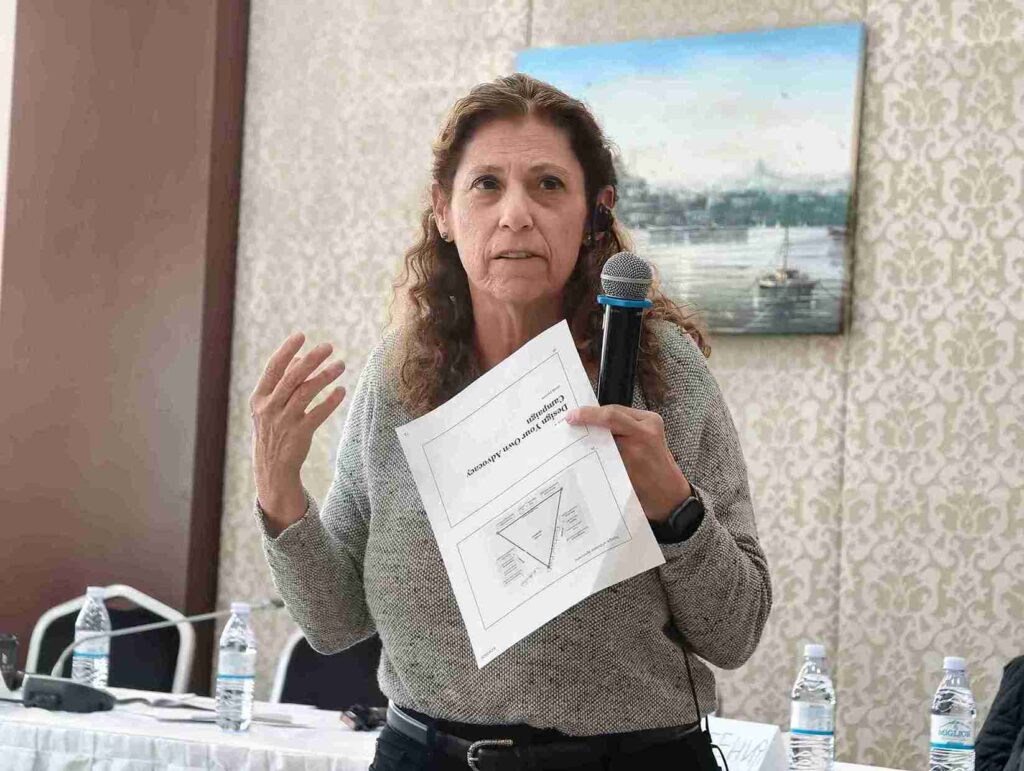
On the second day, the focus shifted to practical advocacy. Under the guidance of Brenda Morrison, a consultant and trainer in advocacy, participants explored advocacy tools, learned how to set objectives, analyze stakeholders, and develop strategies for engaging with authorities and businesses.
The practical part included analyzing a real case in which representatives of the public and a company attempted to reach an agreement on environmental protection issues. This example became a basis for addressing local environmental challenges in Ust-Kamenogorsk.
Participants also developed their own advocacy campaigns, highlighting the issues they considered most pressing. Each campaign included a comprehensive set of elements: target audiences, budget, timelines, and a concrete action plan.
Students from KAFU actively participated in the training, for whom the event became an opportunity not only to deepen their knowledge in journalism and civic engagement but also to gain practical skills in analyzing social issues and building dialogue with different stakeholders. Their active involvement demonstrated a growing interest among young people in the future development of the region.
As a result of the training, participants concluded that data alone does not change situations—it becomes a tool for change only when it is used to raise specific questions.