International October at KAFU
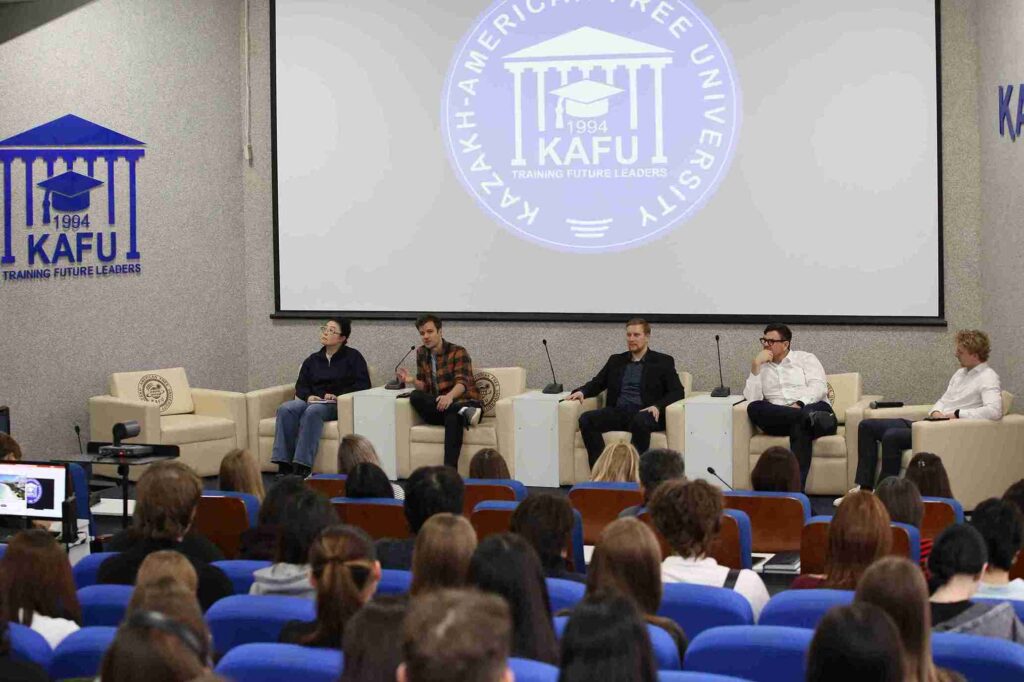
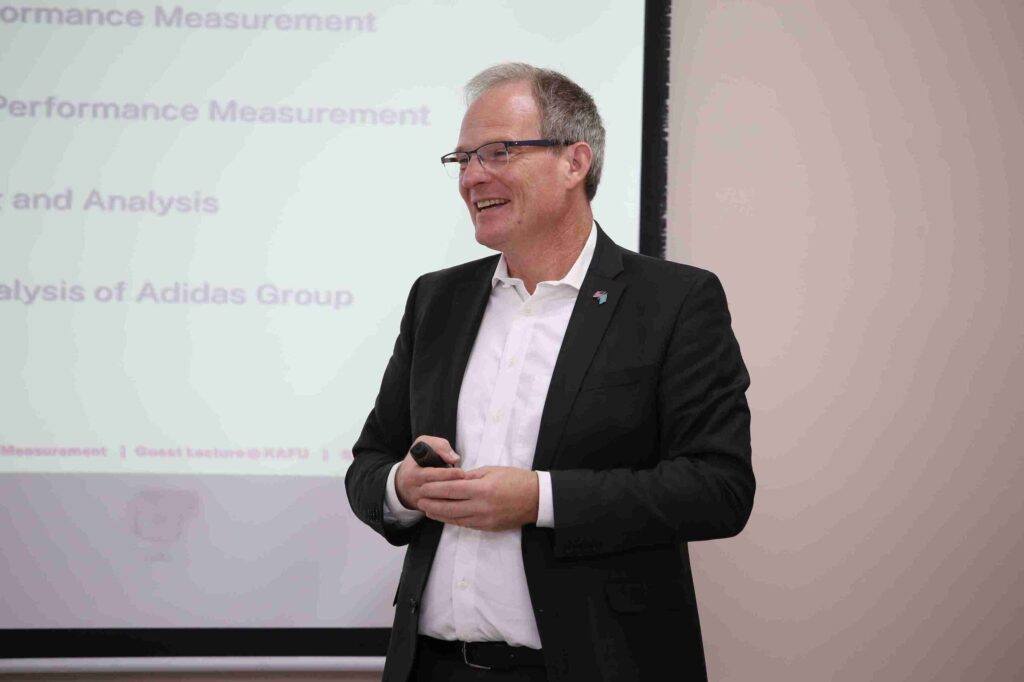
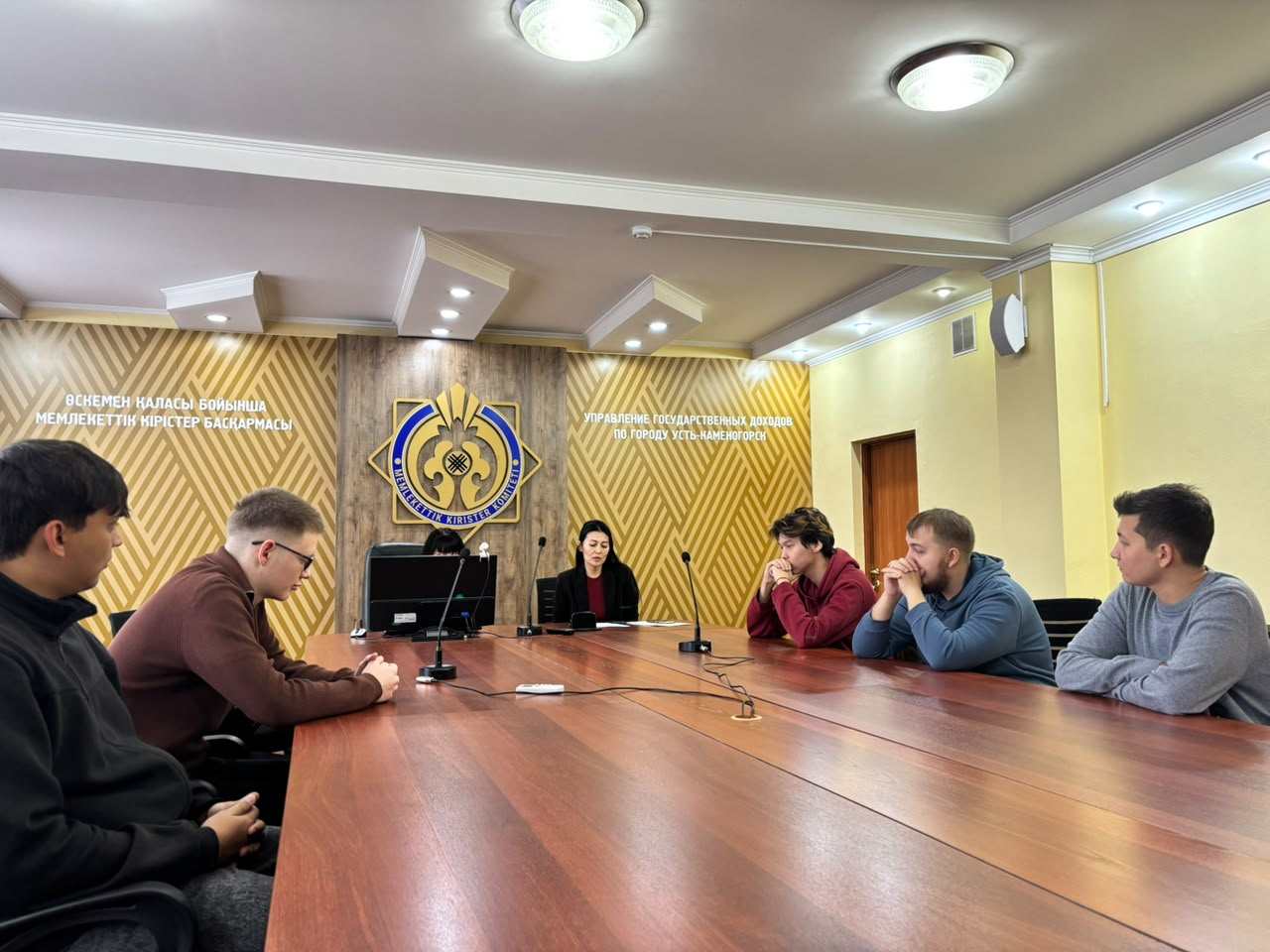
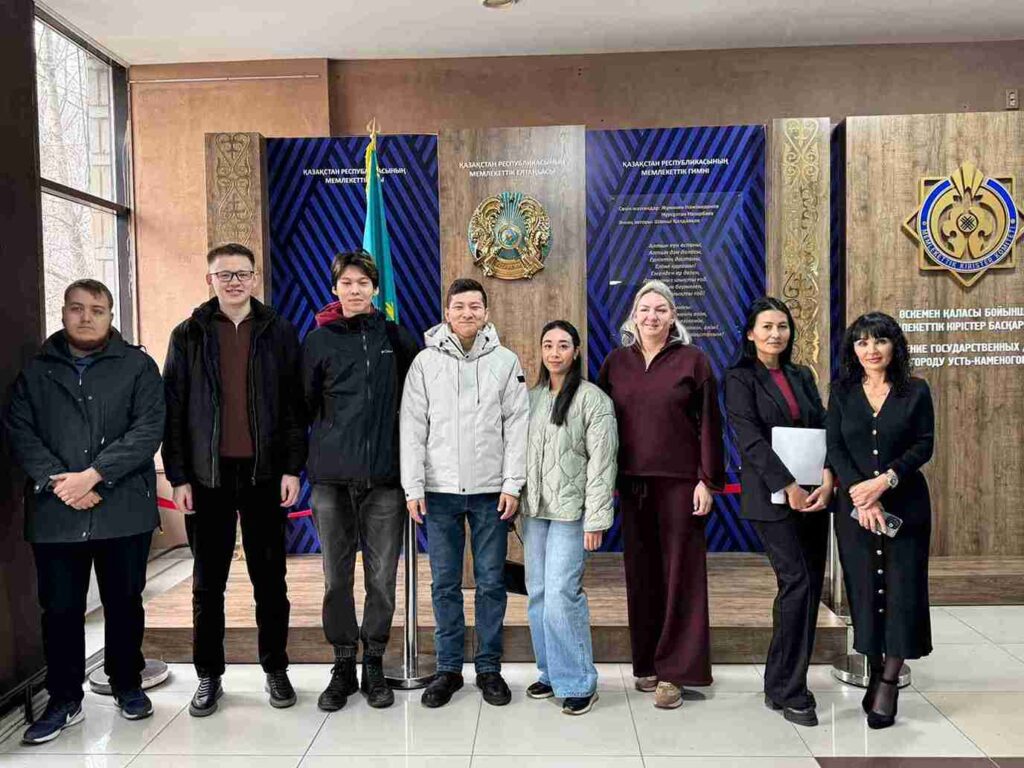
October 2026 at the Kazakh-American Free University held a big number of international academic events. Foreign scientists, teachers and experts took part in the educational and scientific life of the university, held guest lectures, practical classes, seminars and meetings with students. The development of cooperation with European universities, as well as the expansion of the geography of foreign students, has acquired particular importance.
International Experts in Academic Process of KAFU
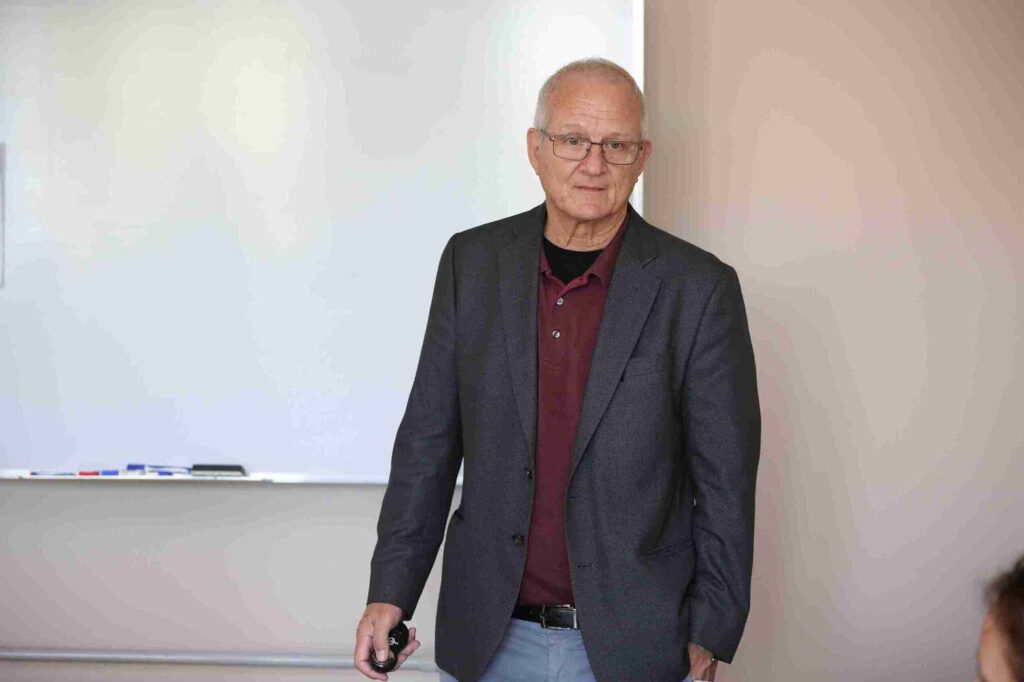
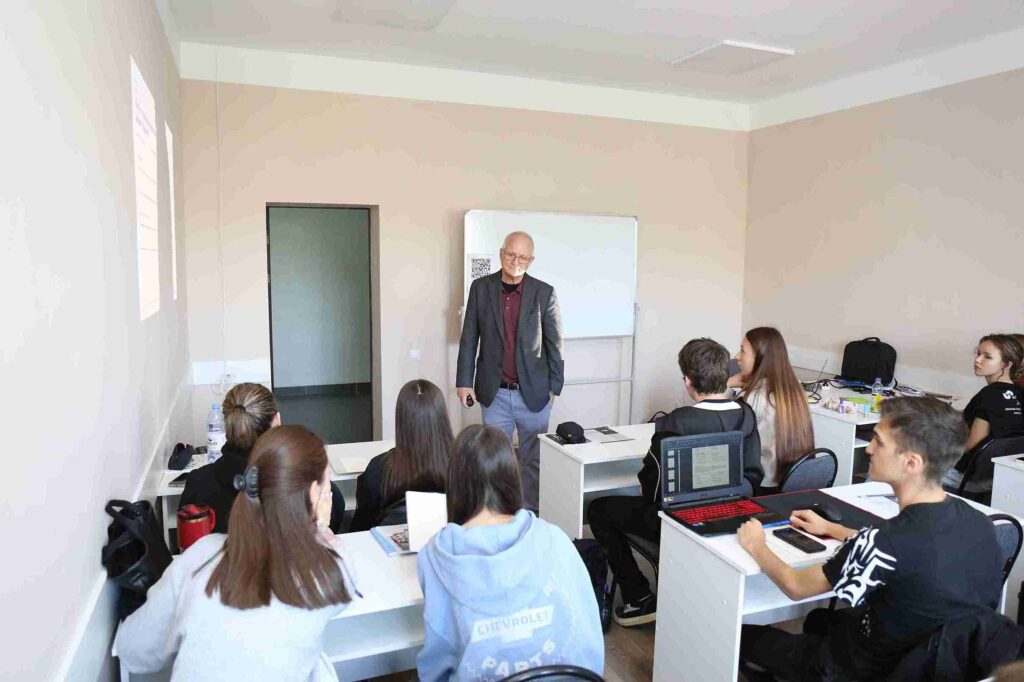
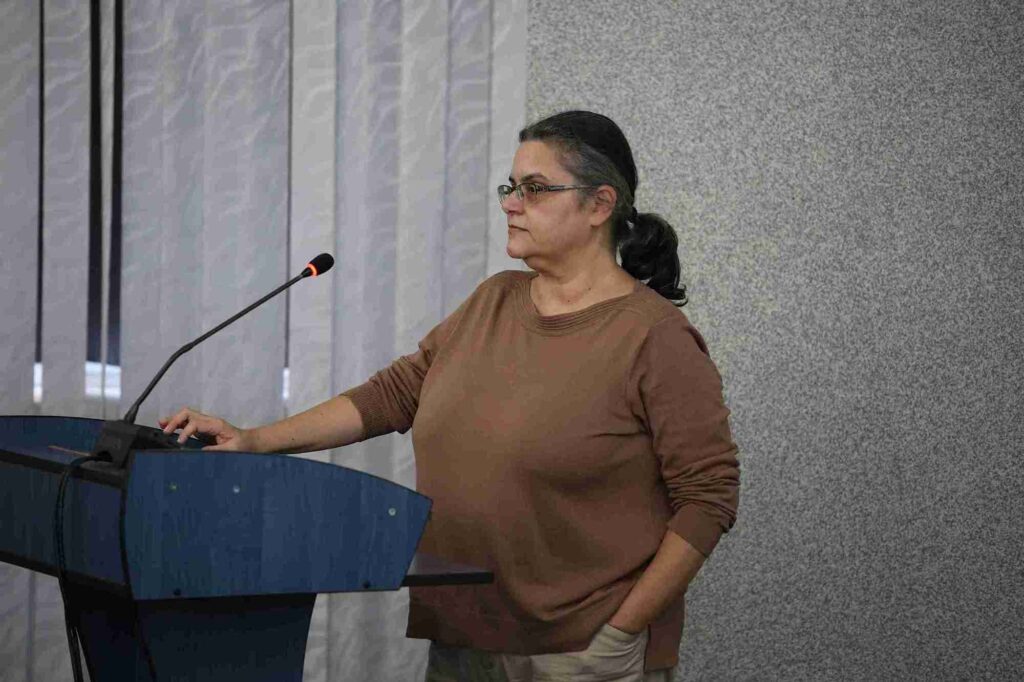
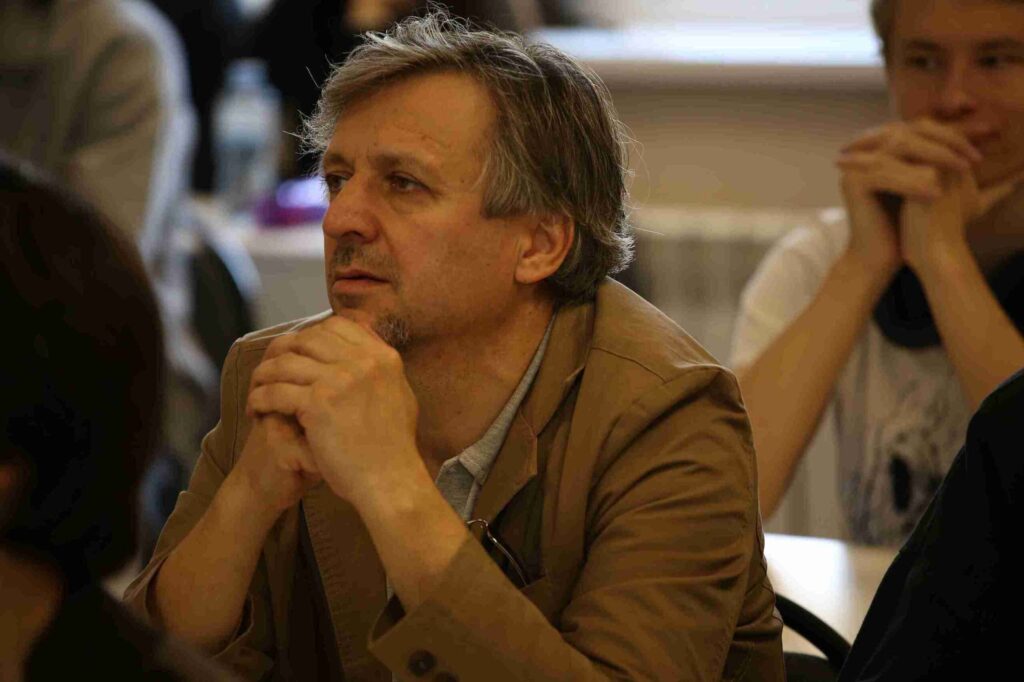
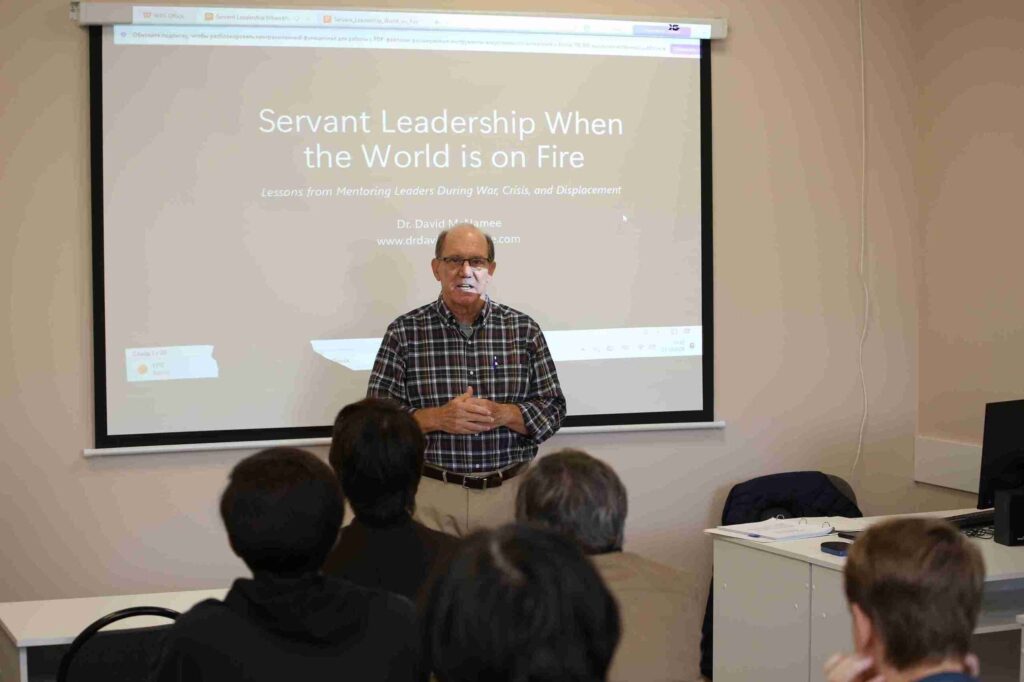
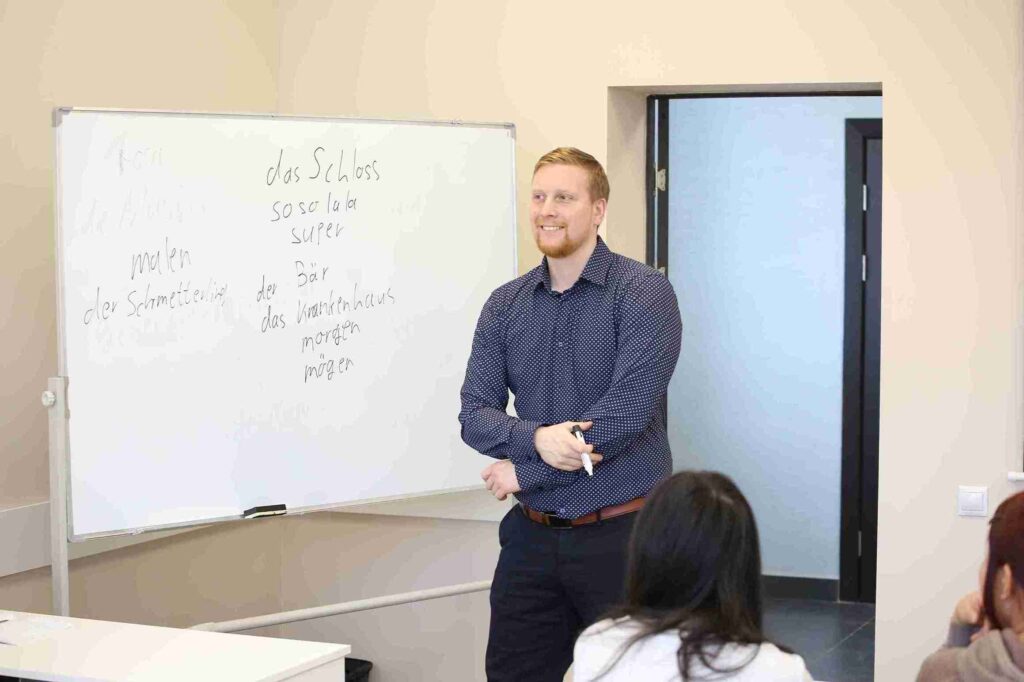
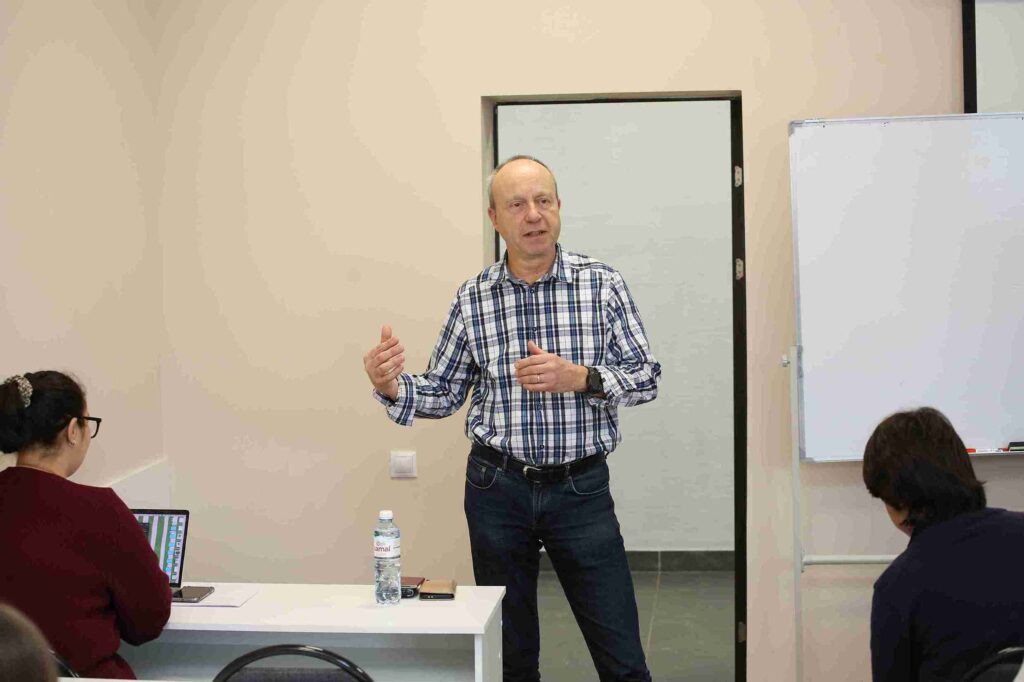
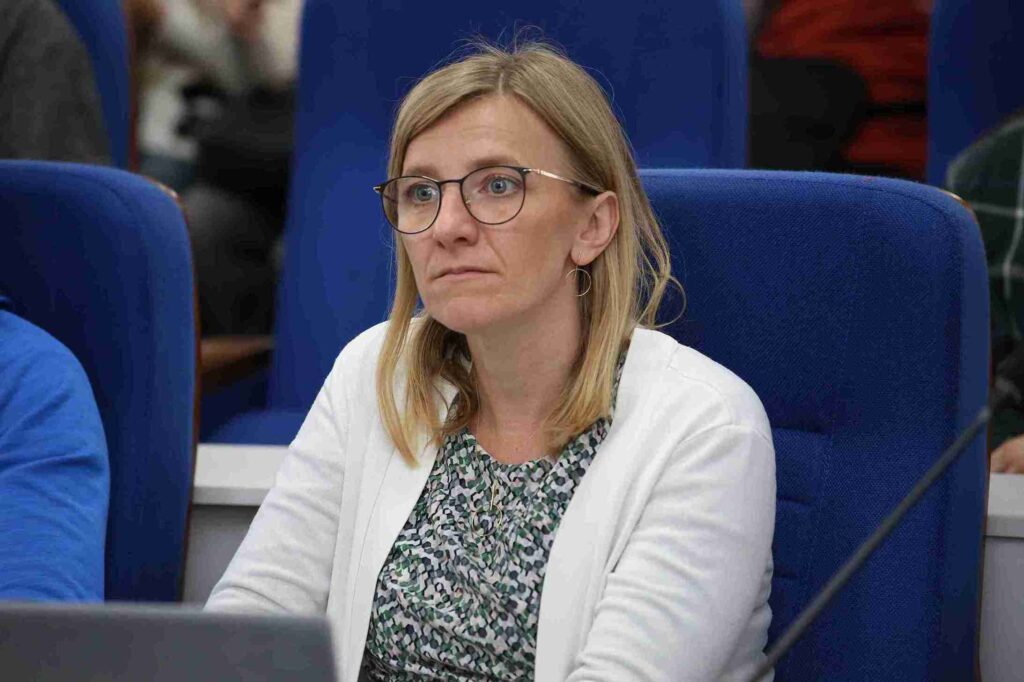
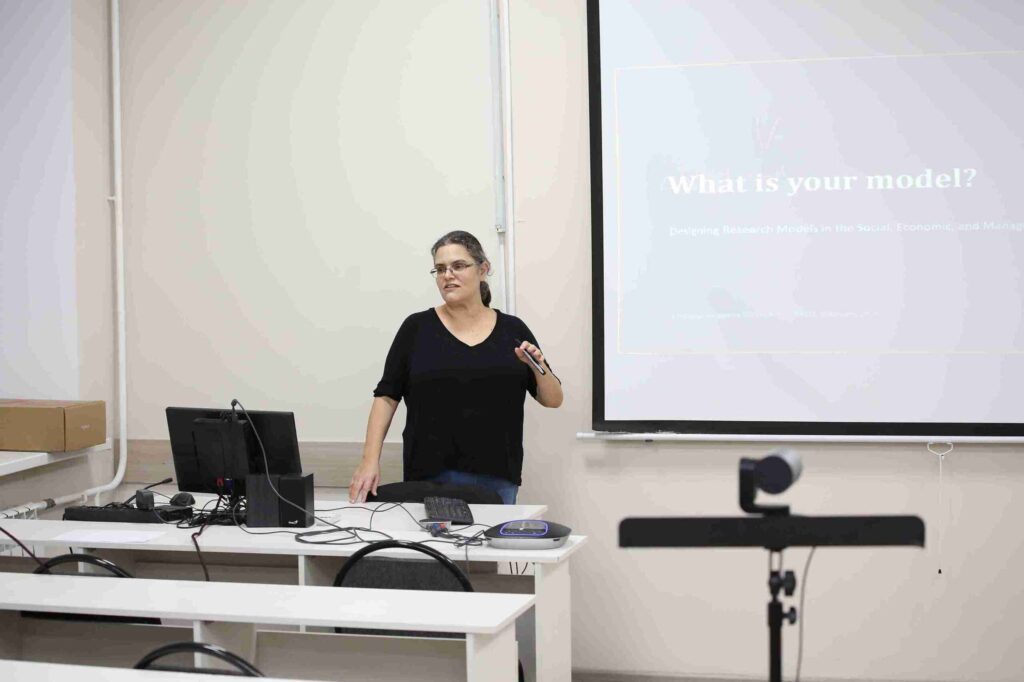
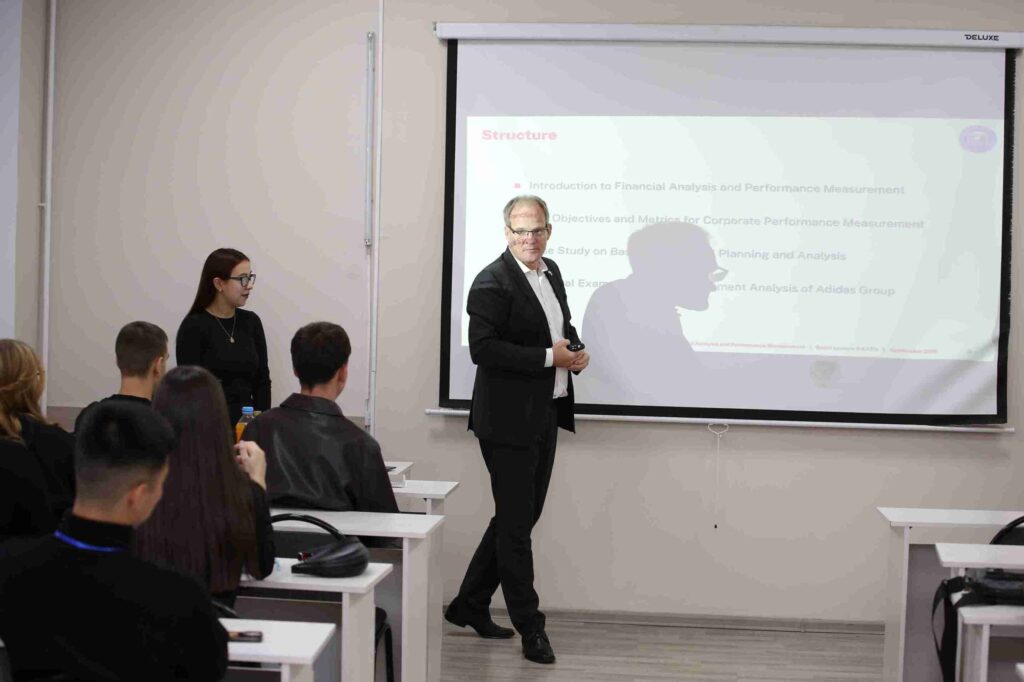
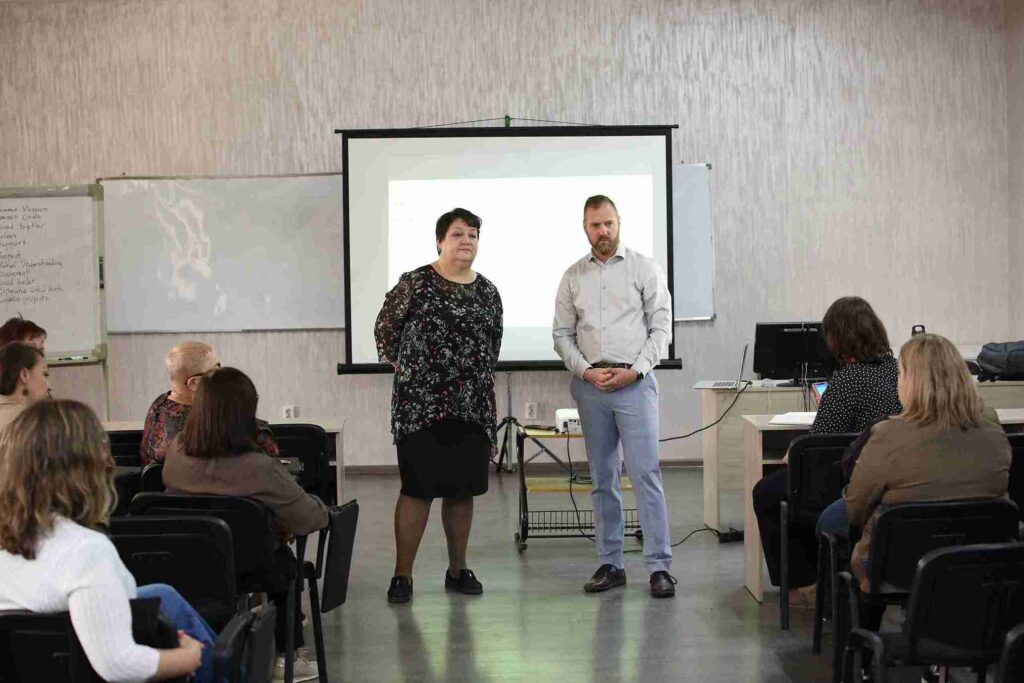
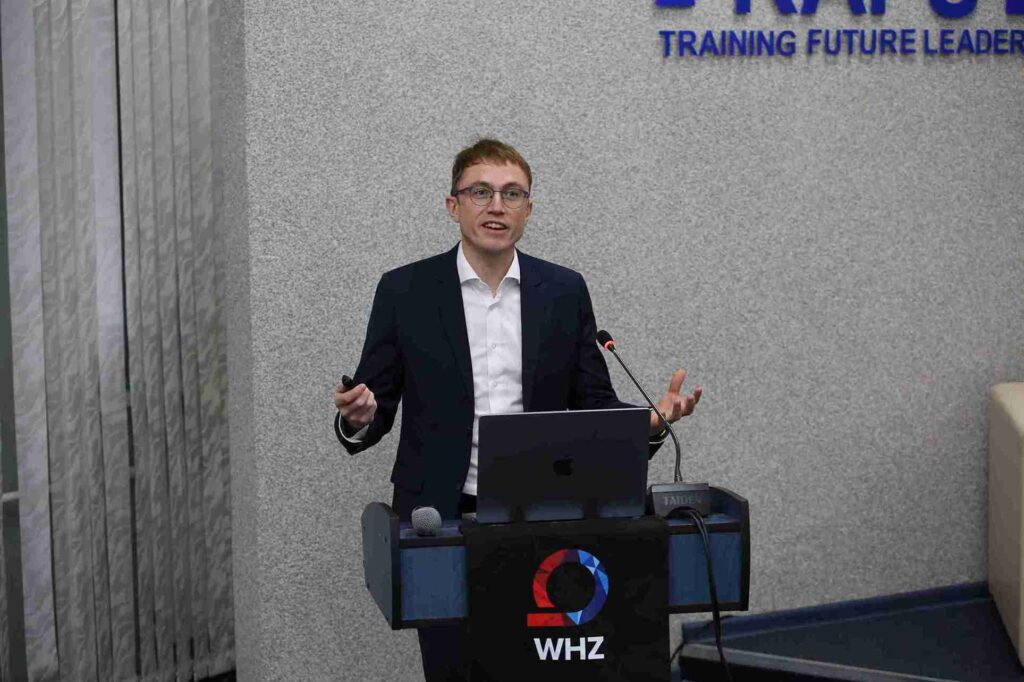
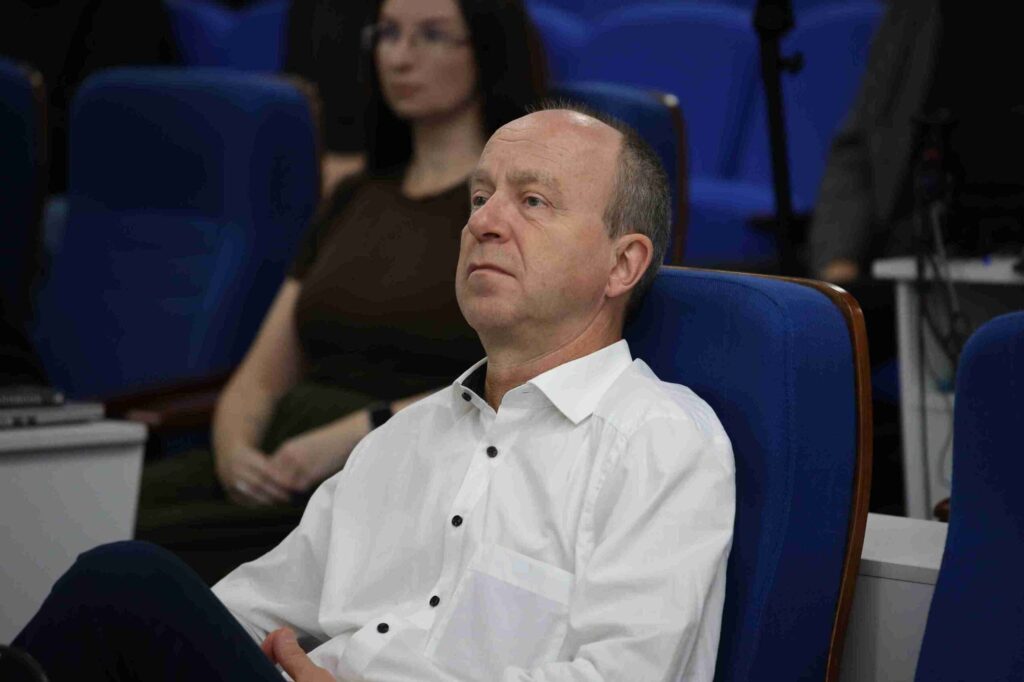
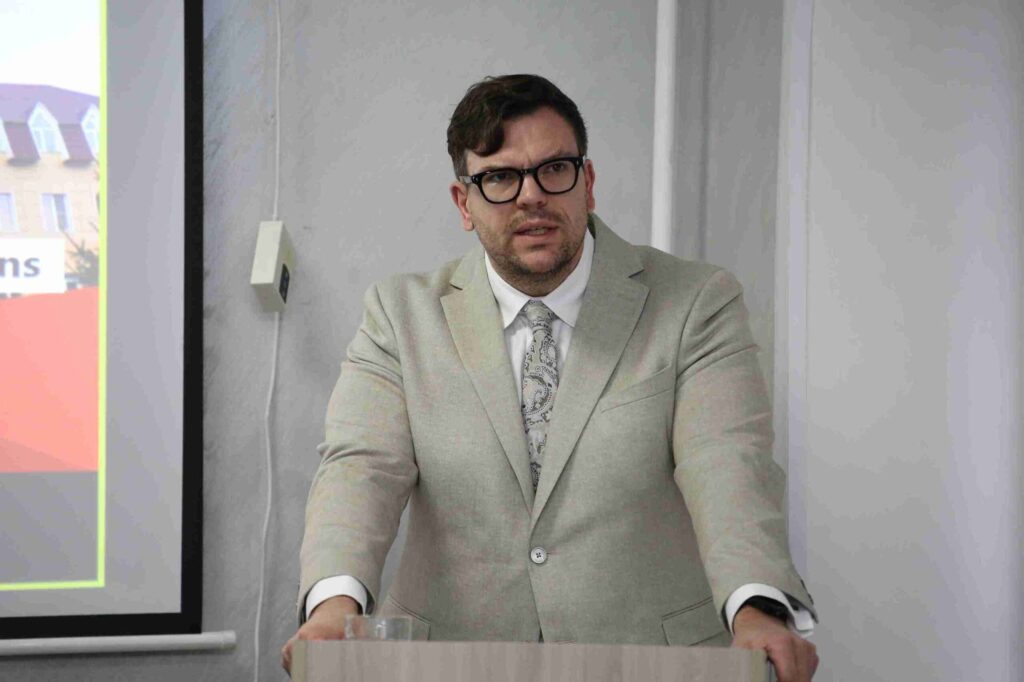
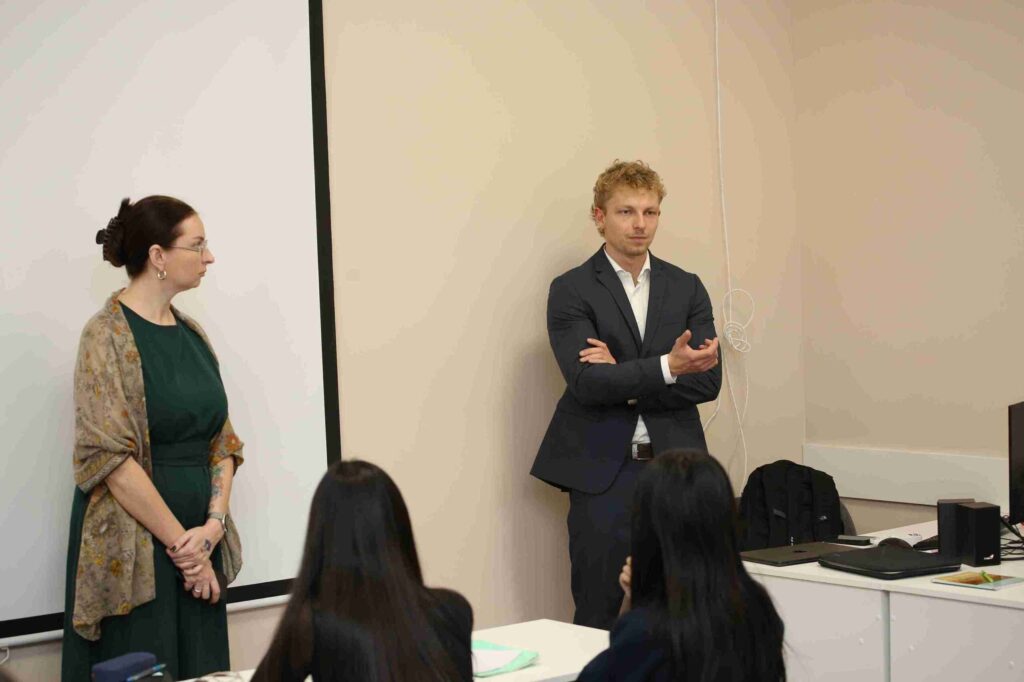
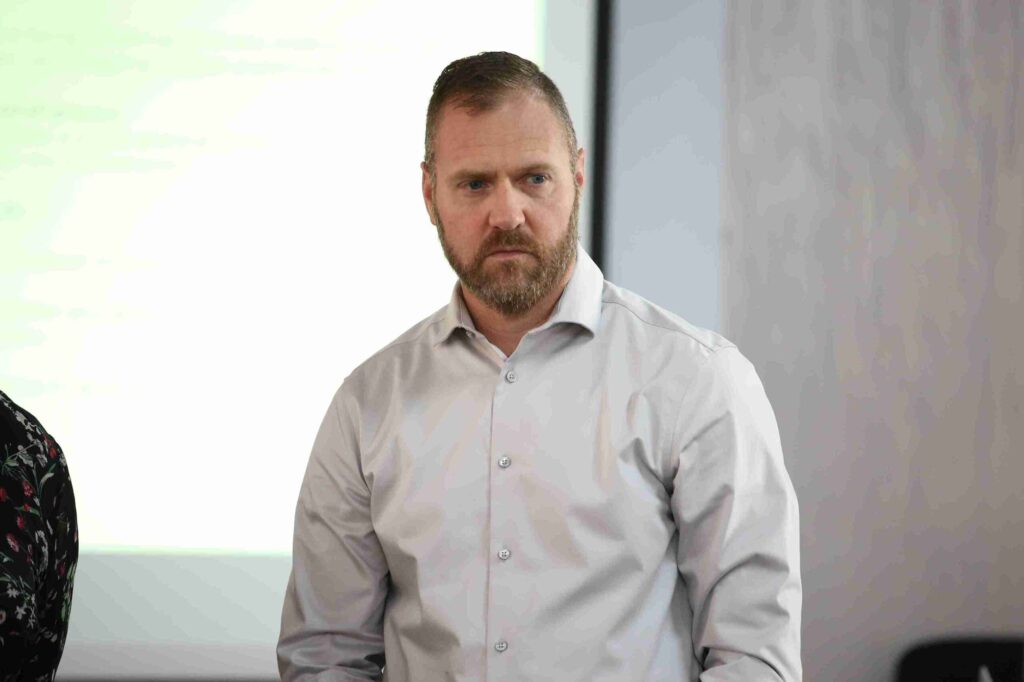
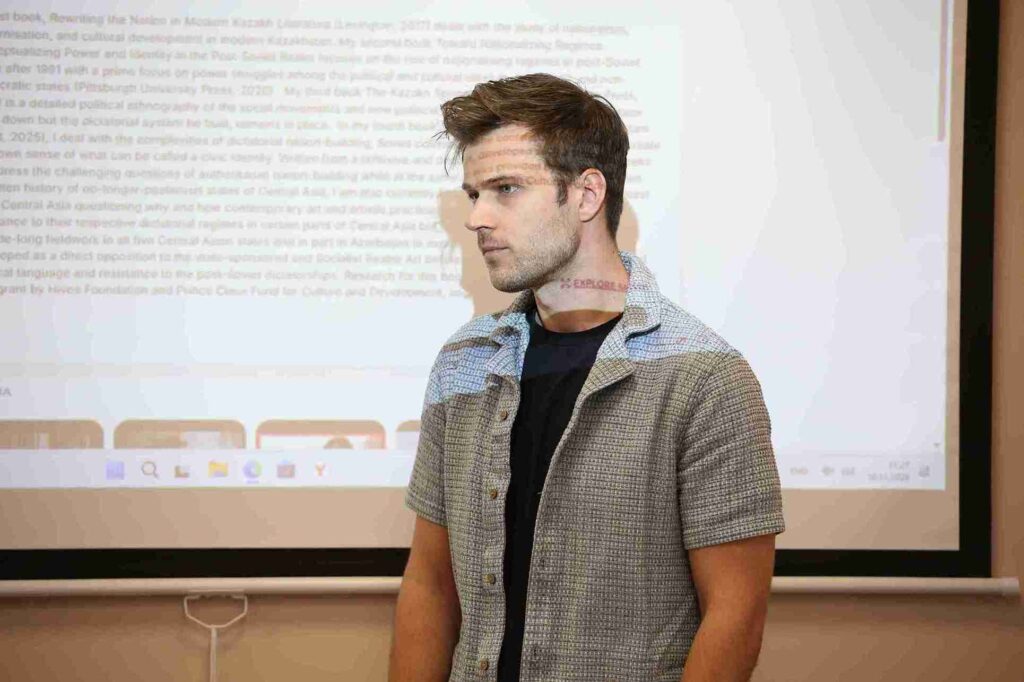
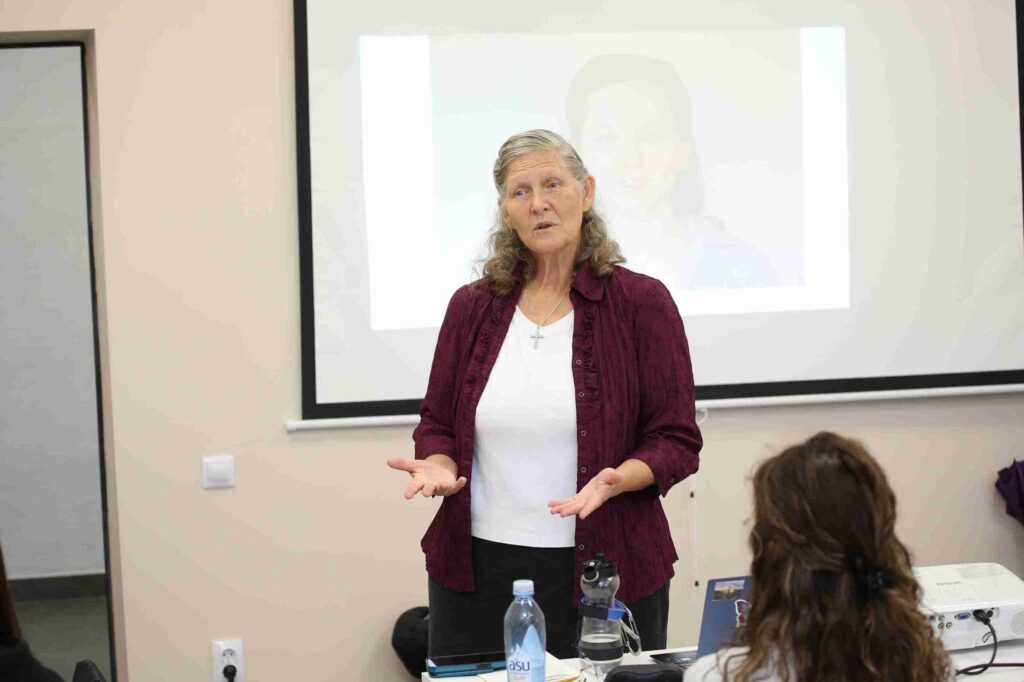
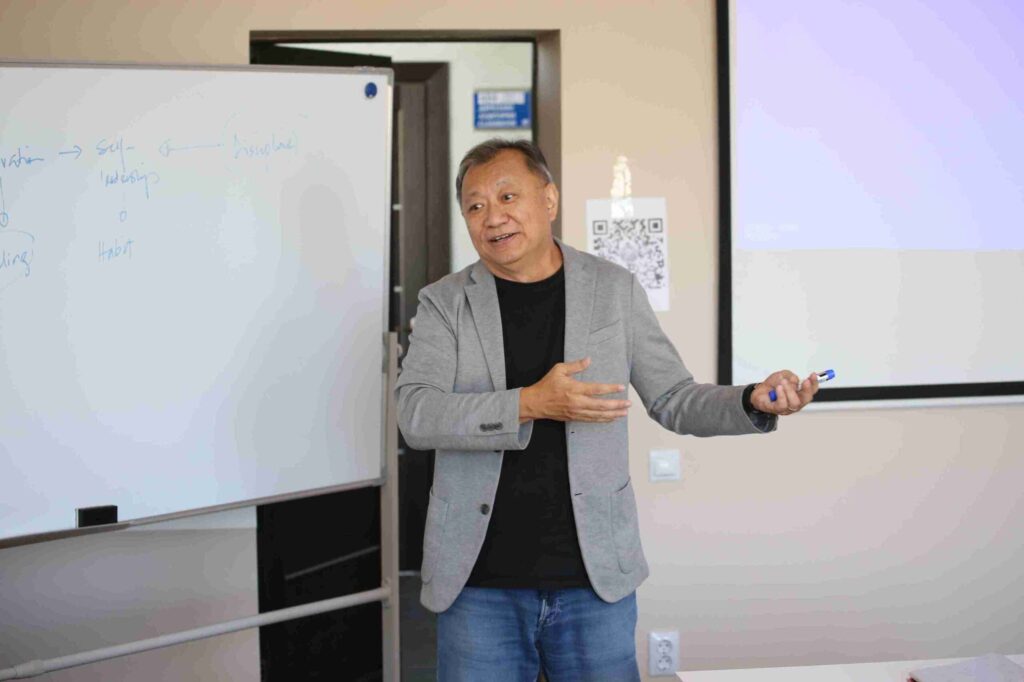
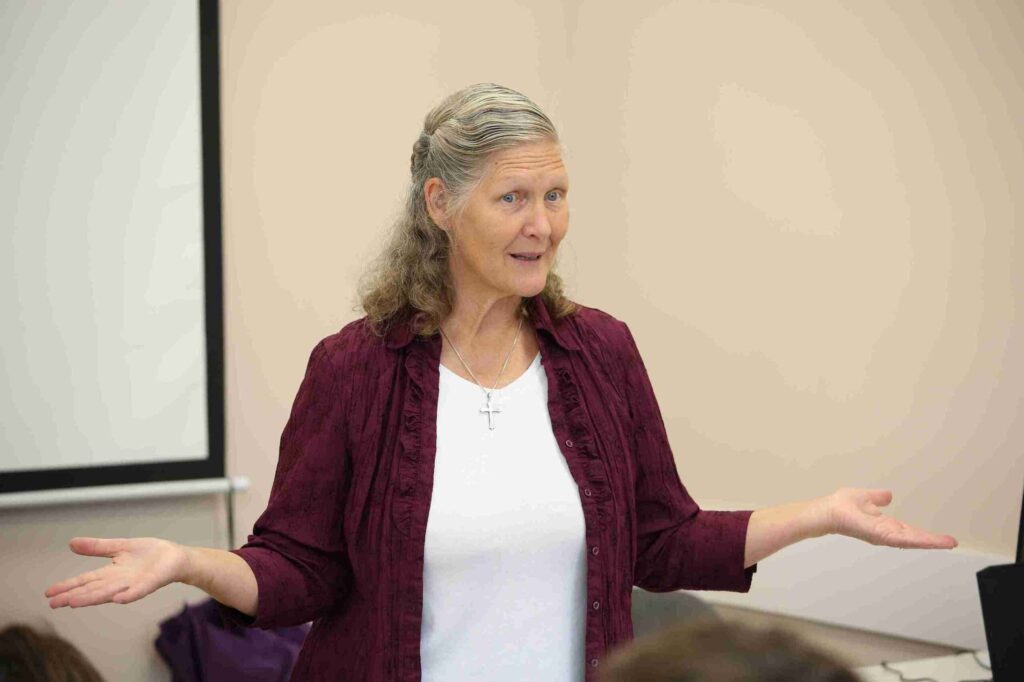
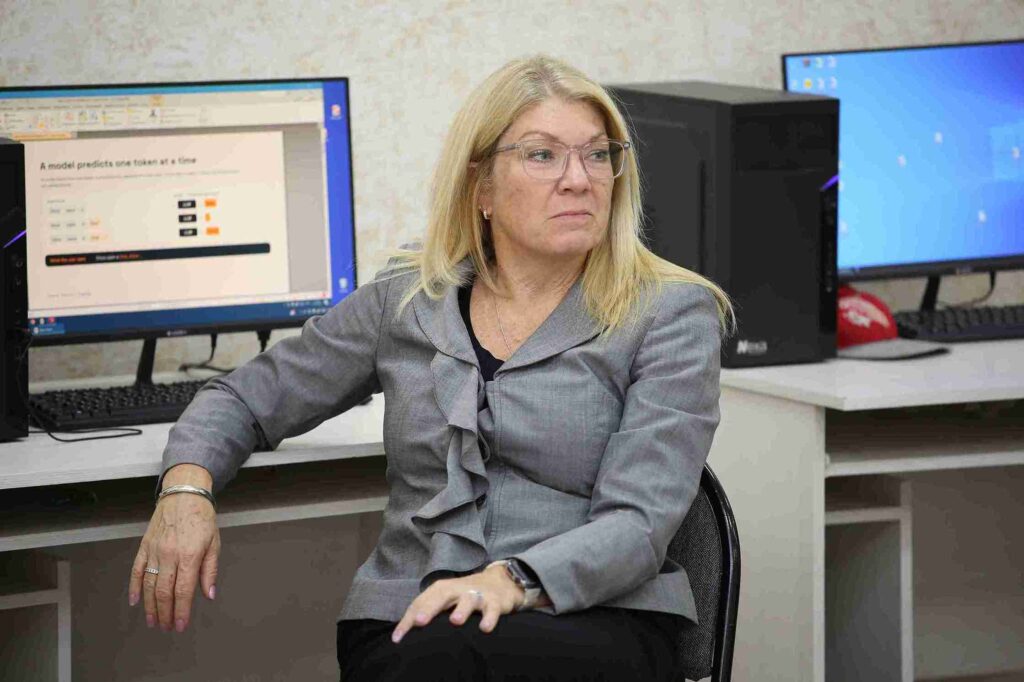
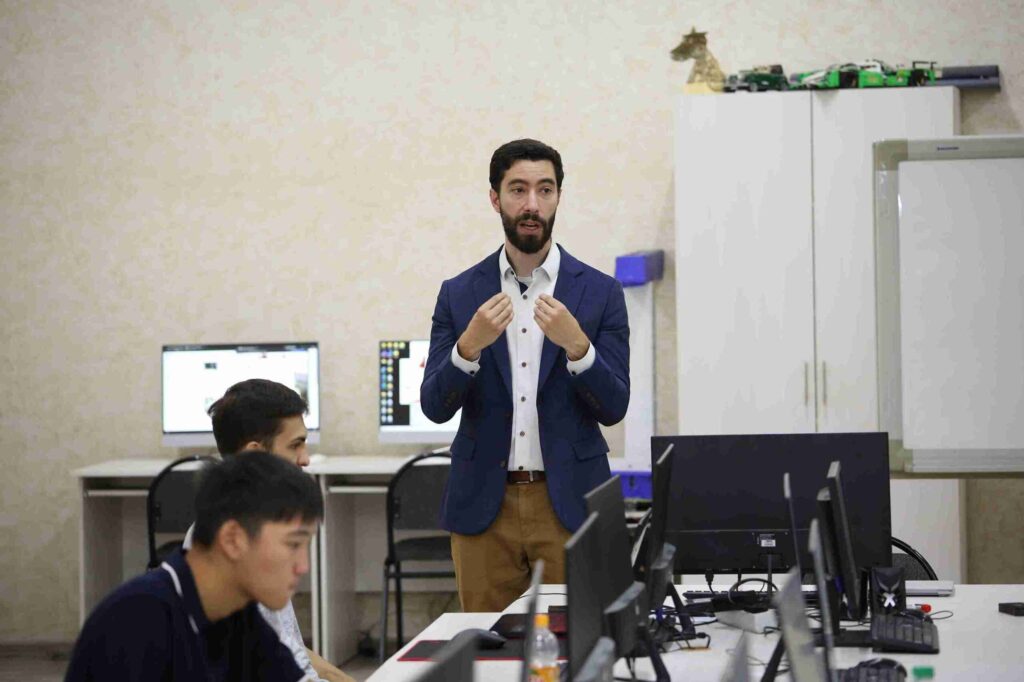
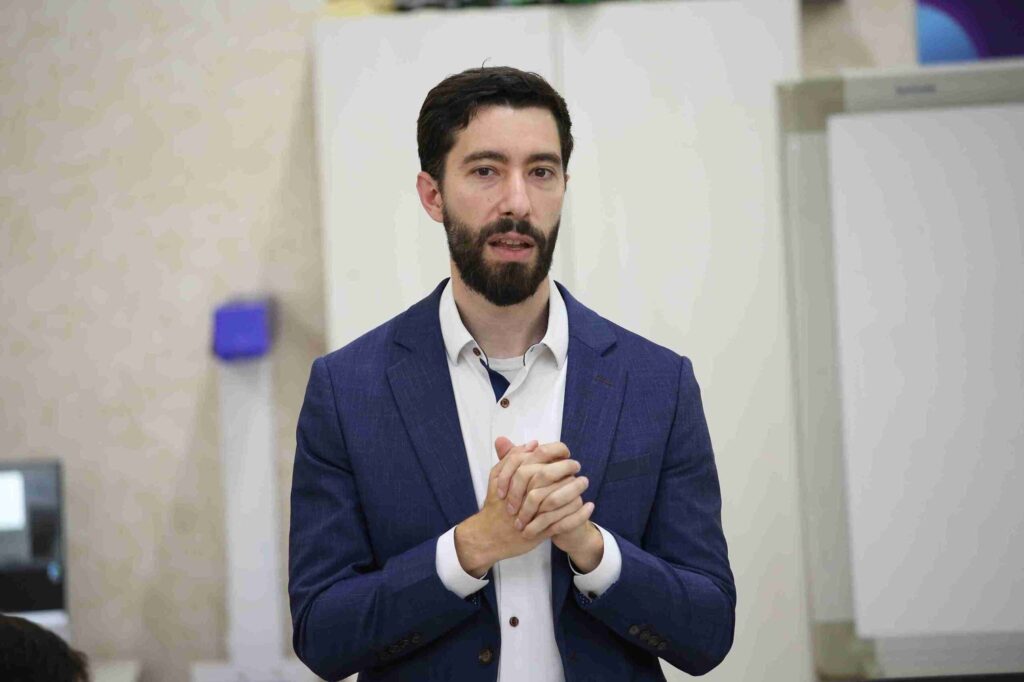
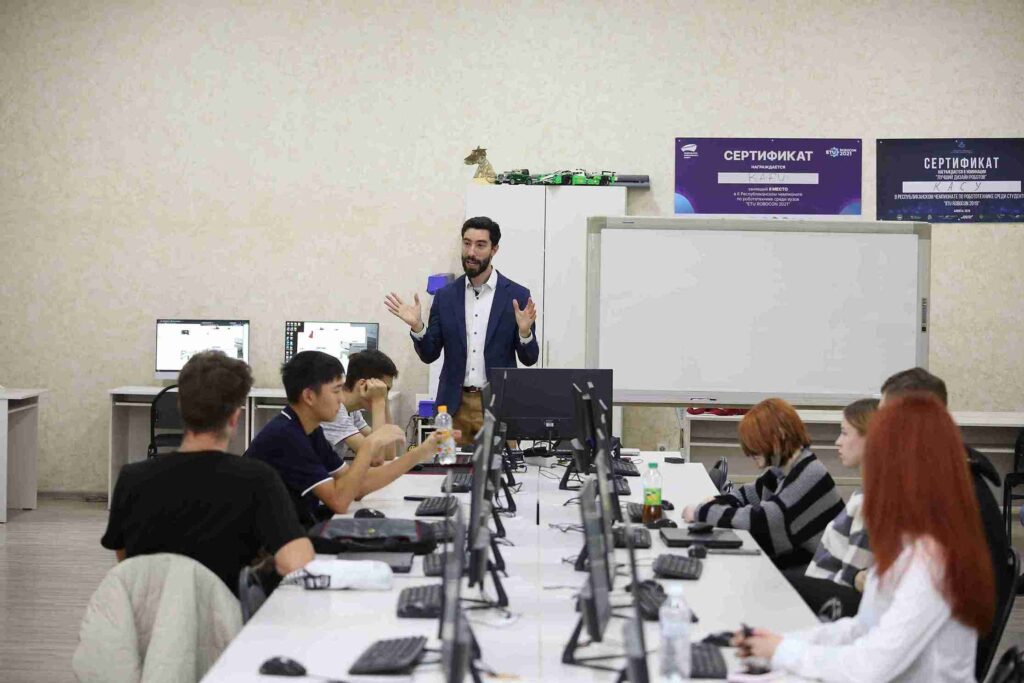
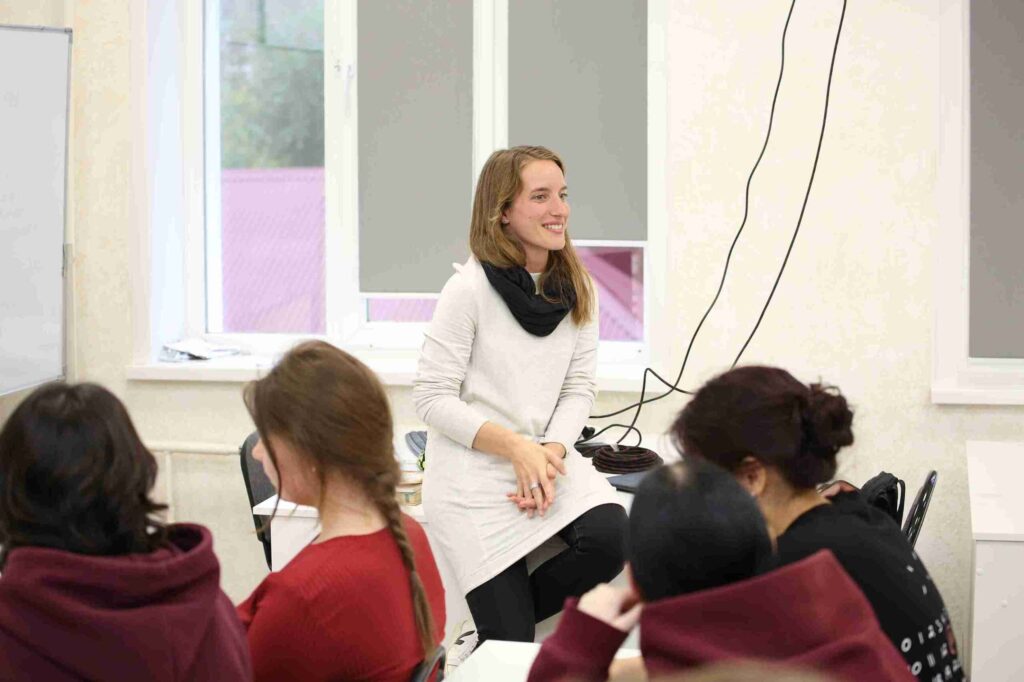
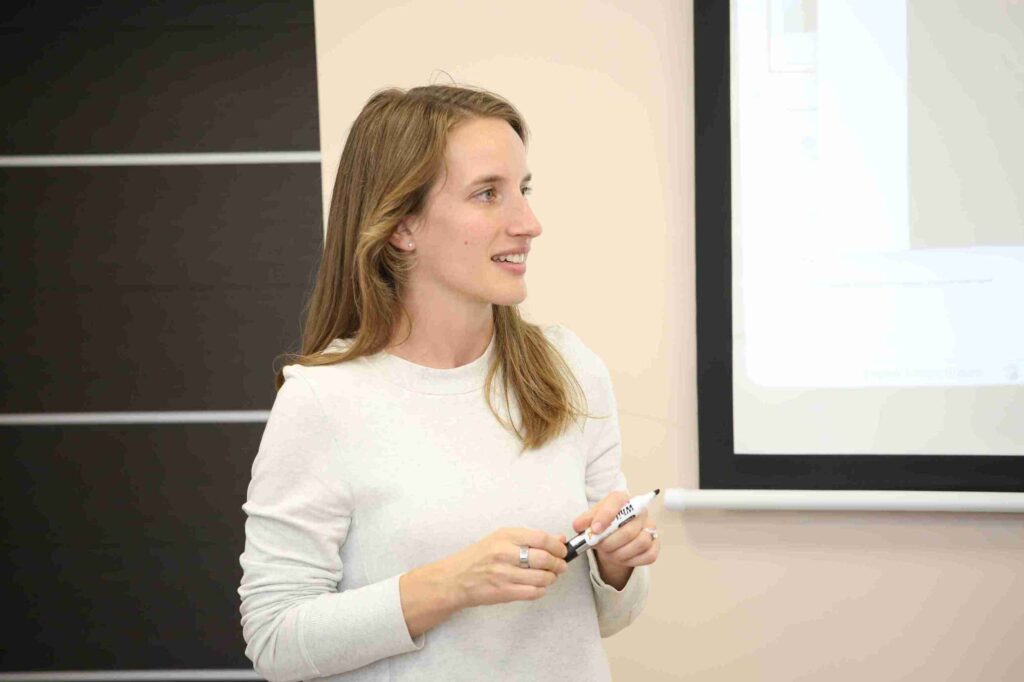
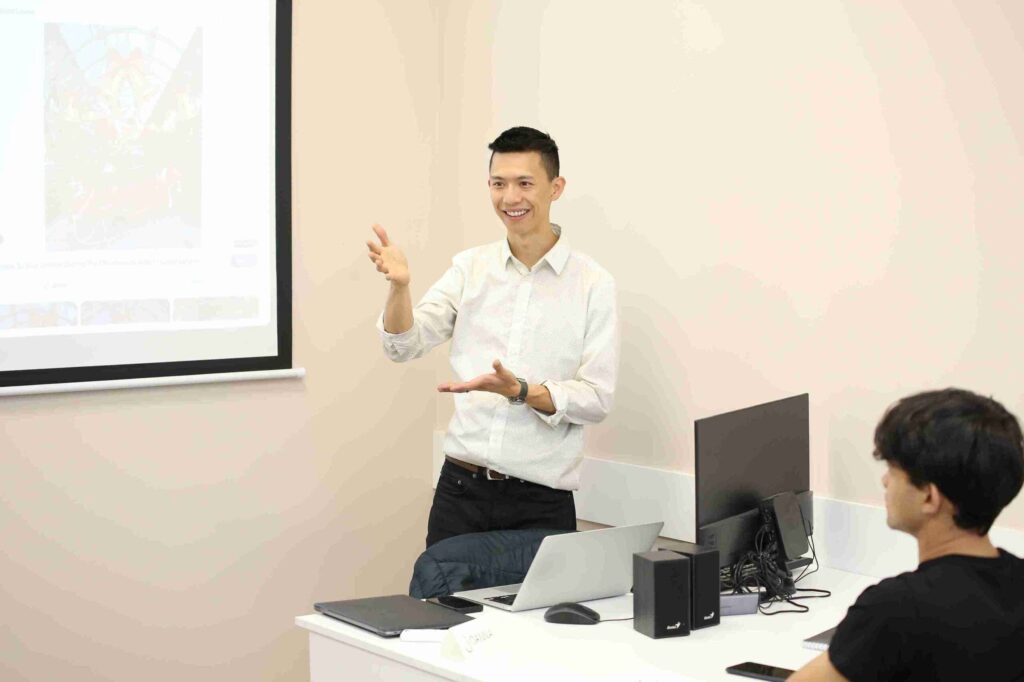
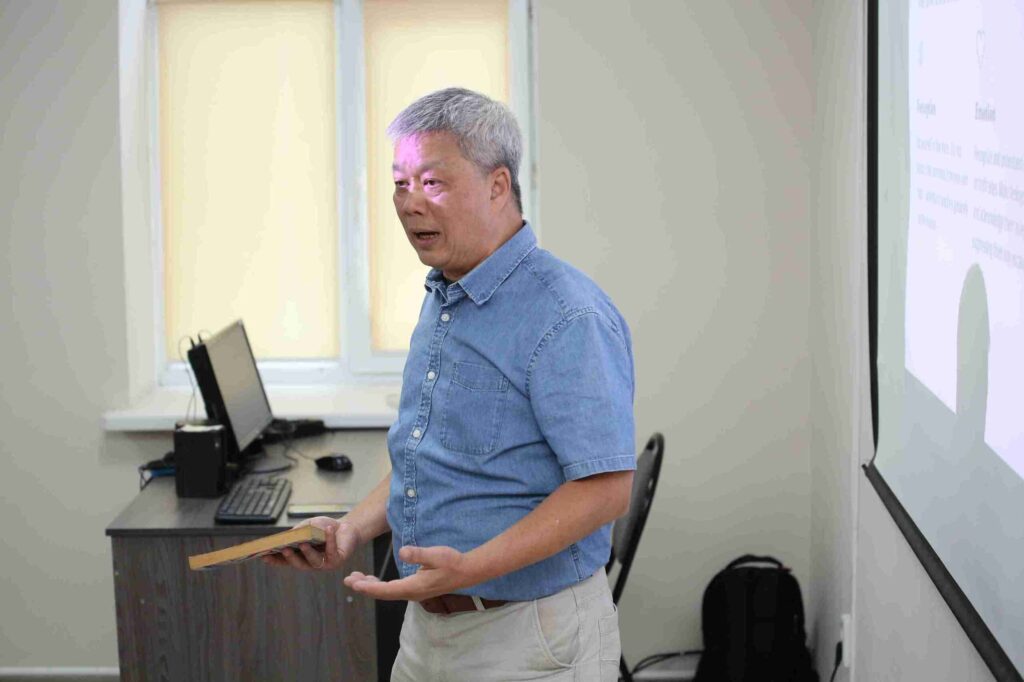
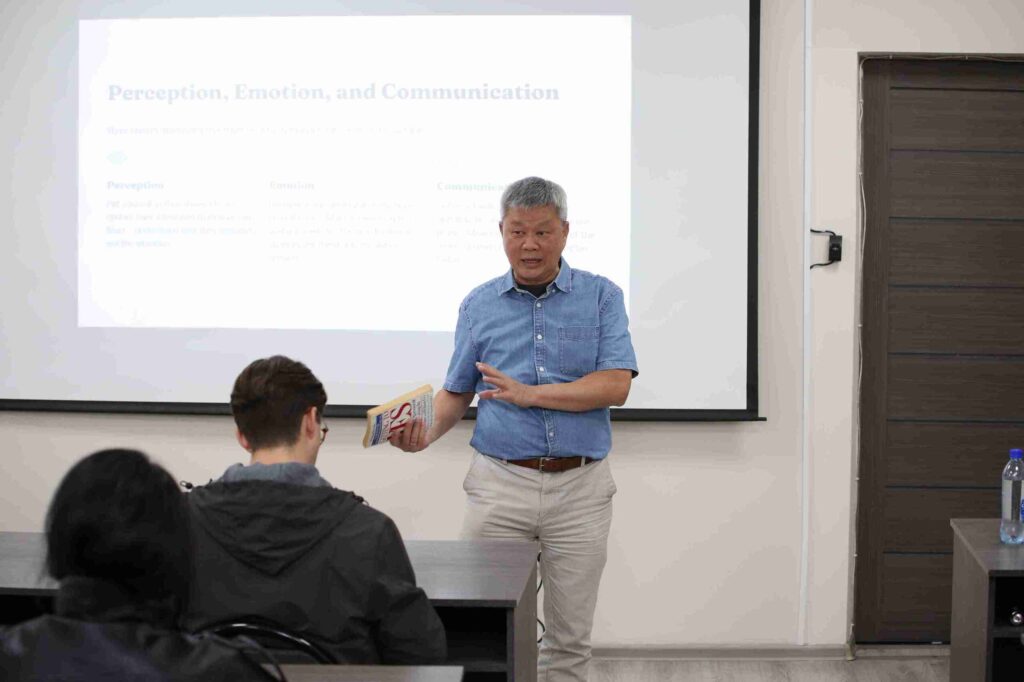
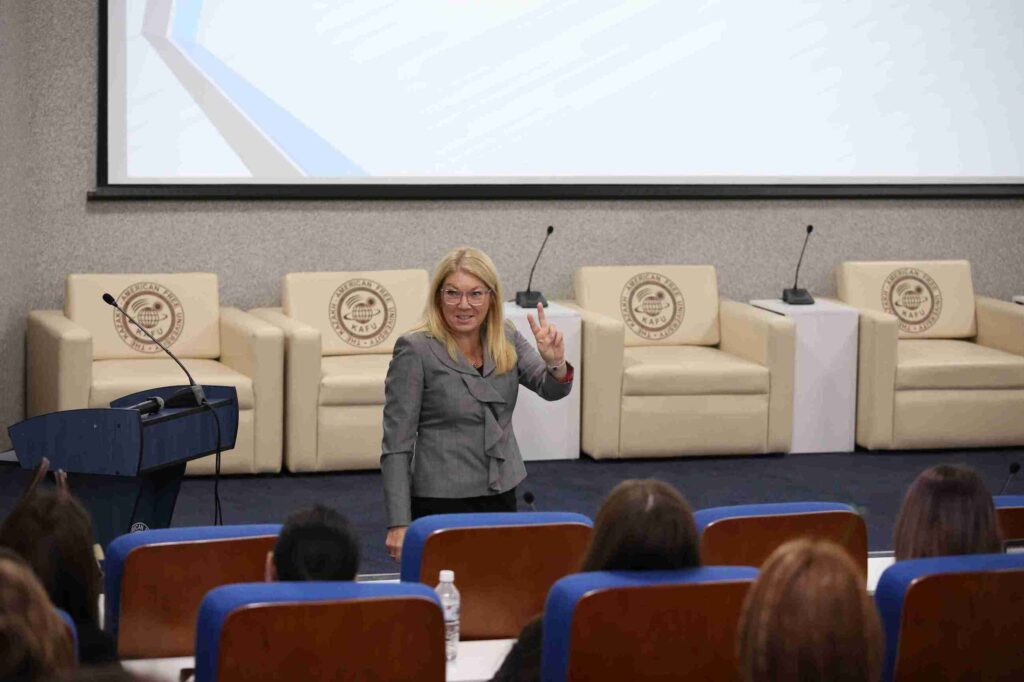
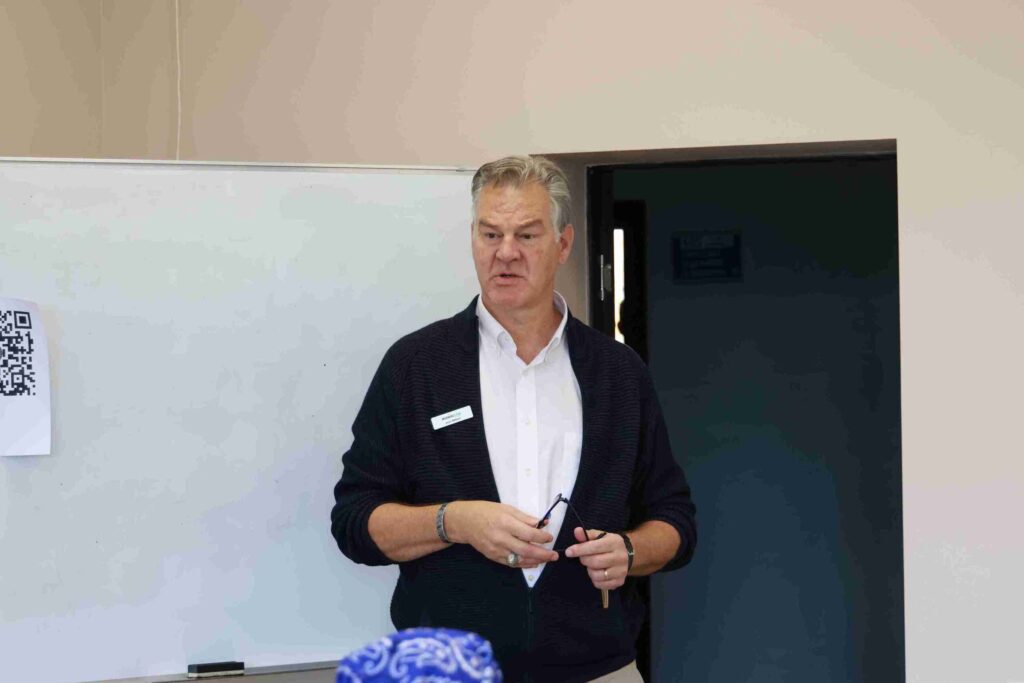
In early October, KAFU continued its series of educational events featuring international experts: David McNamee, Kai Nobach, Anita Vržina, and Cristiane Junqueira Giovannini.
The program covered key areas in contemporary science and higher education, including artificial intelligence, leadership, economics and management, research methodology, academic writing, and research ethics.
David McNamee led practical sessions focused on modern leadership models, the role of a leader amidst global change, and the development of leadership competencies. Particular emphasis was placed on the concept of servant leadership and the transition from formal authority to effective influence.
Cristiane Junqueira Giovannini explored the applications of generative artificial intelligence in scientific research. Participants discussed the advantages of modern digital tools, their limitations, and issues related to maintaining academic integrity.
Anita Vržina conducted practical workshops on academic English, the preparation of scholarly publications, and the presentation of research findings to an international audience.
These engagements with international experts provided students, master’s and doctoral candidates, and faculty members with the opportunity to explore contemporary global educational practices, broaden their professional knowledge, and refine their research competencies.
International Cooperation as Basics of Academic Development
Visits by international faculty and scholars are an essential component of the educational model at the Kazakh-American Free University. Direct interaction with these international experts allows students to engage with diverse academic traditions, develop professional communication skills in English, and gain insight into contemporary global educational trends.
Practice-oriented learning formats—such as masterclasses, interactive lectures, academic discussions, and collaborative reviews of research projects—play a particularly significant role.
Such initiatives help strengthen international academic ties, enhance the university’s research capacity, and create opportunities for students and faculty to integrate into the global educational landscape.
Expanding the Geography of International Education
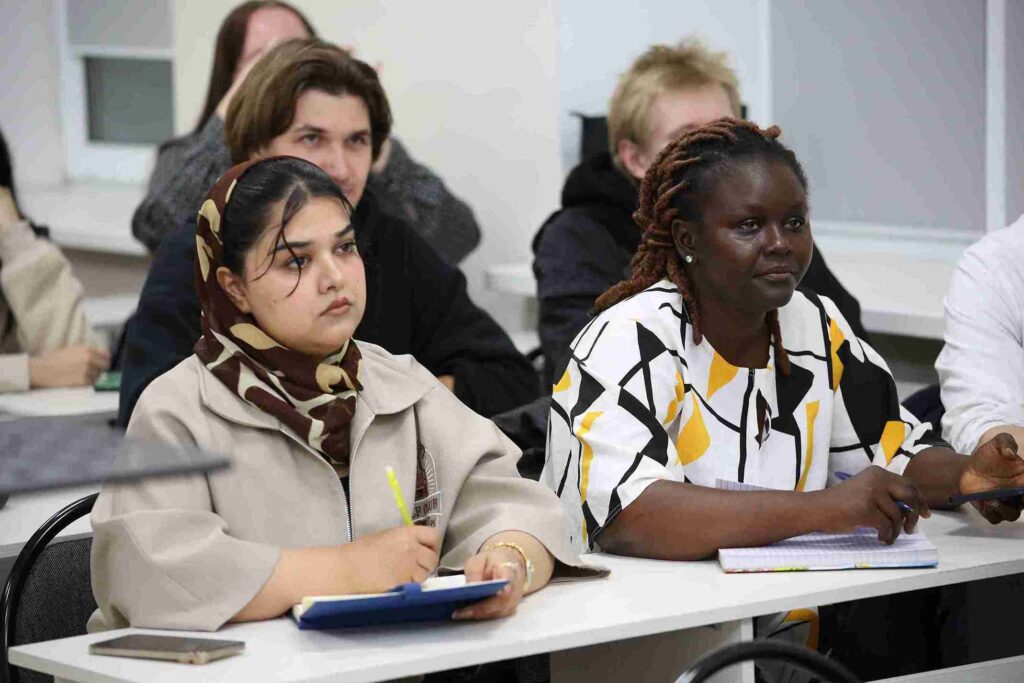
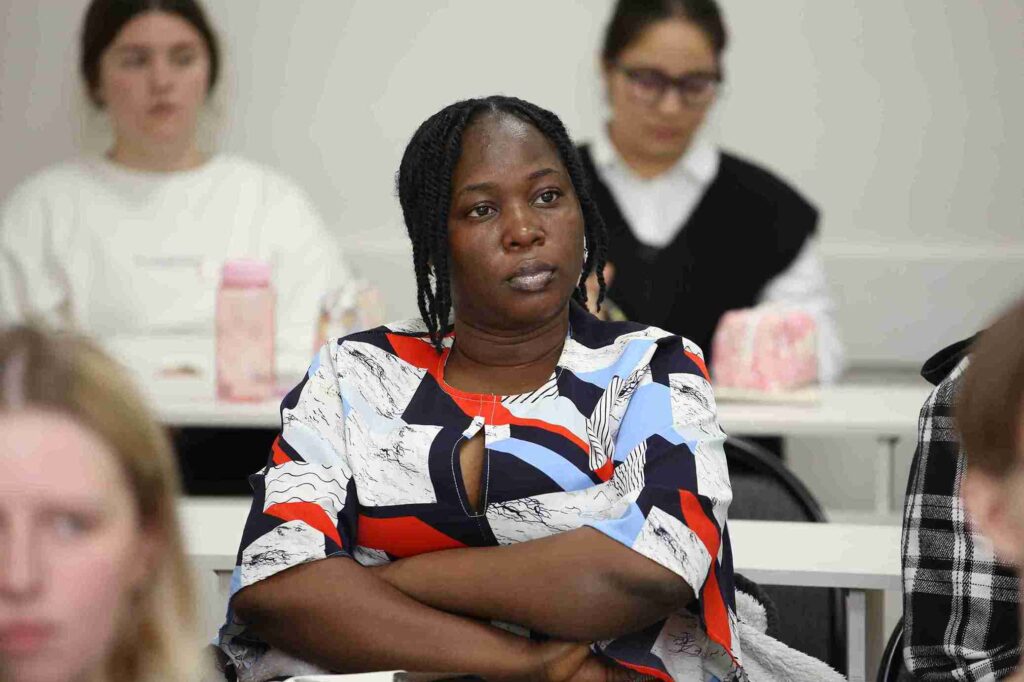
Another significant aspect of KAFU’s international engagement is the education of foreign nationals. Currently, three students from the Federal Republic of Nigeria are pursuing master’s degrees at the university.
Burga Prudence represents Bingham University, located in Nasarawa State; Manu Dinatu Ali comes from the University of Maiduguri, a public university in northeastern Nigeria; and Ruben Mercy represents Gombe State University.
The presence of students from the African continent at KAFU reflects the expansion of the university’s international reach and the development of academic ties beyond its traditional areas of cooperation.
For these international master’s students, studying in Kazakhstan offers opportunities to acquire new professional knowledge, gain familiarity with a different educational system, and engage within an international academic environment. At the same time, the presence of students from abroad fosters intercultural dialogue and contributes to the development of a diverse, multinational student community.
KAFU – Space of International Educational Opportunities
The events held in October and the education of international master’s students reflect the consistent efforts of the Kazakh-American Free University (KAFU) to foster international cooperation.
Attracting scholars and faculty from abroad, integrating international expertise into the educational process, and broadening the geographical diversity of the international student body create further opportunities for the academic and professional development of the university community.
KAFU’s international engagement continues, opening new prospects for collaborative research, educational initiatives, and the strengthening of partnerships with universities across the globe.