International Practice-Oriented Seminar “Continuity of Professional Education: “School-College-University” in a Single Digital Space”
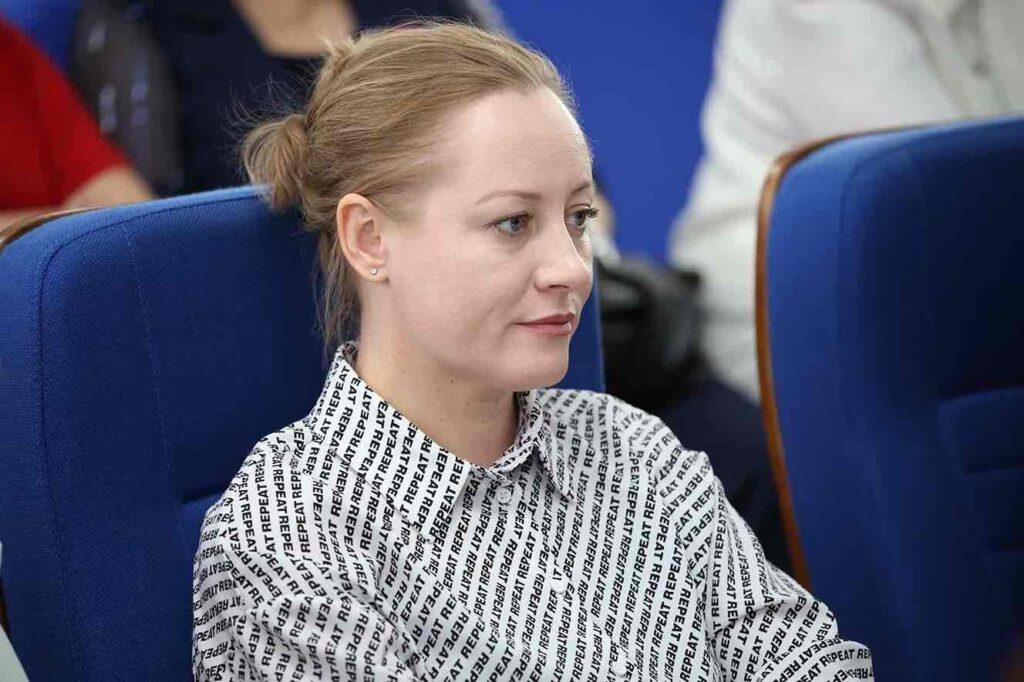
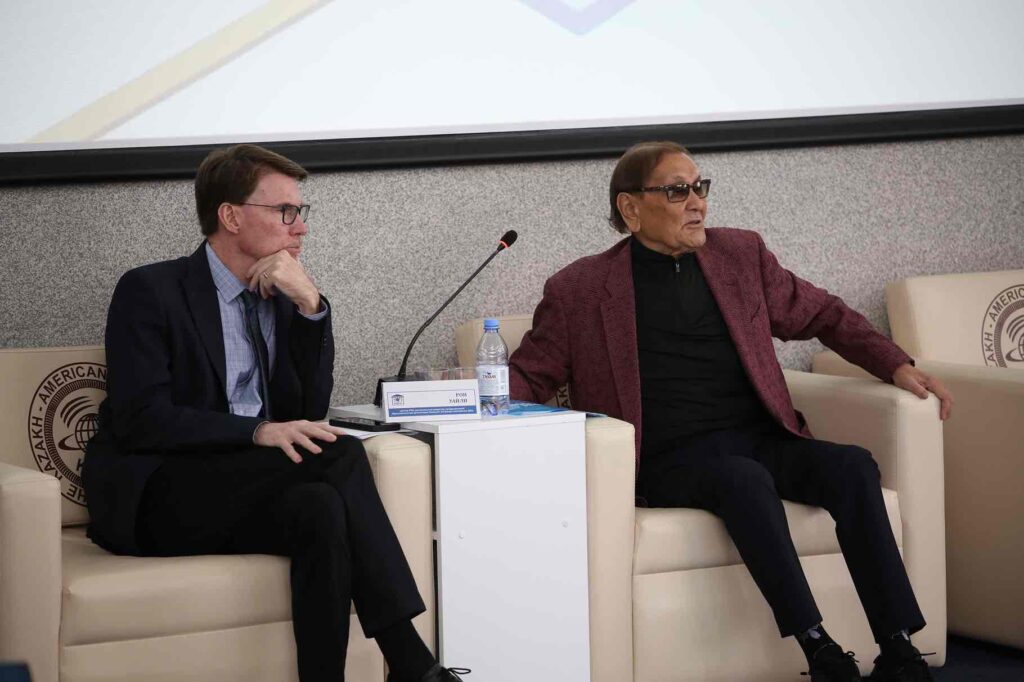
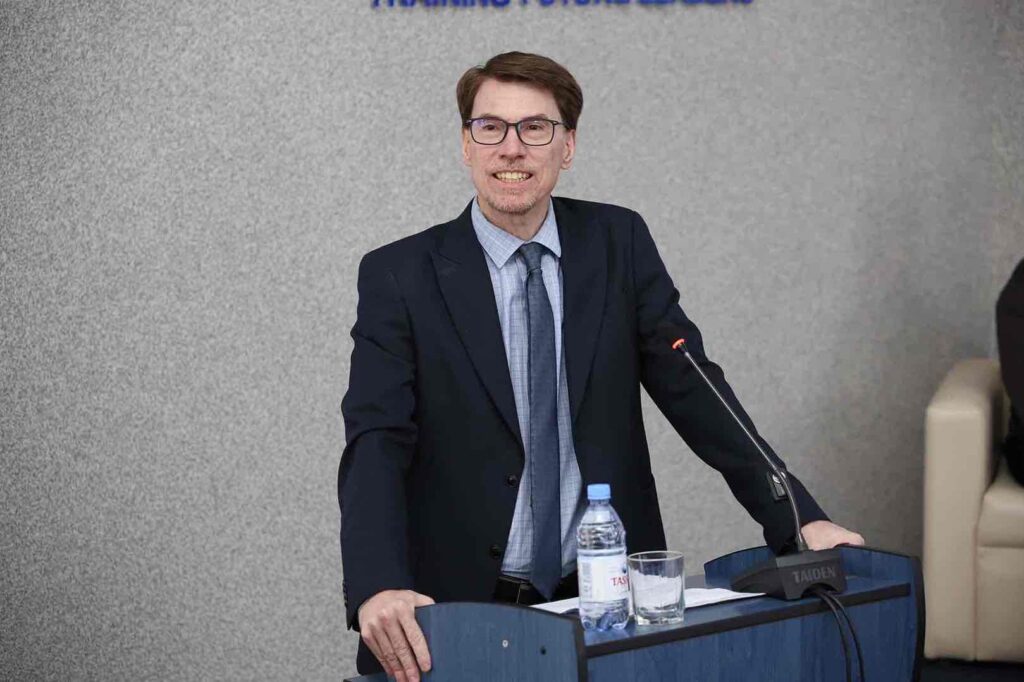
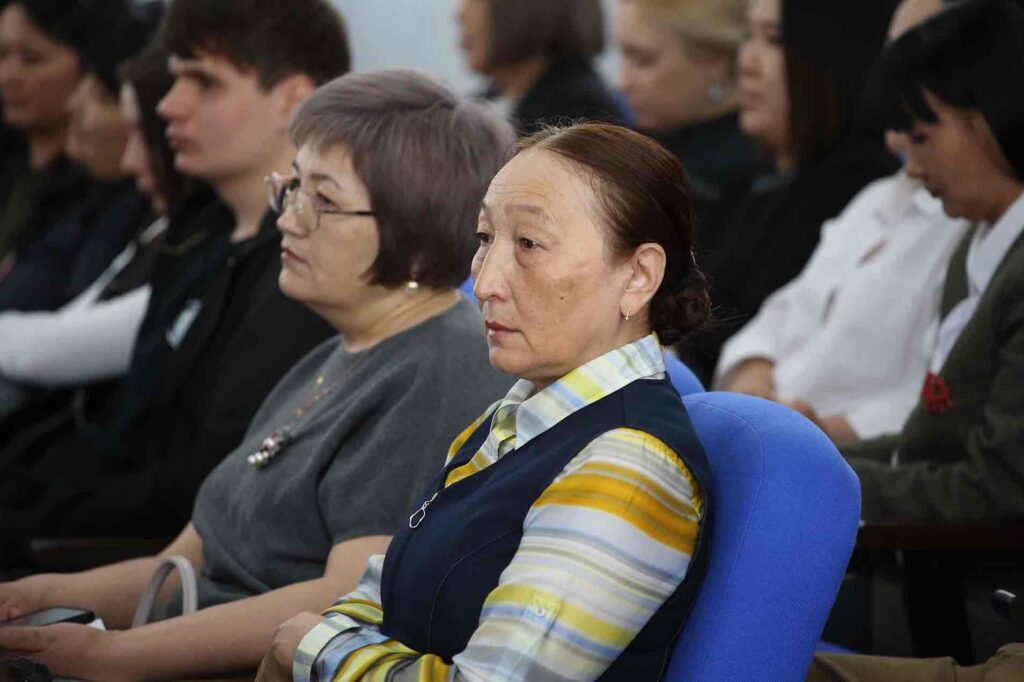
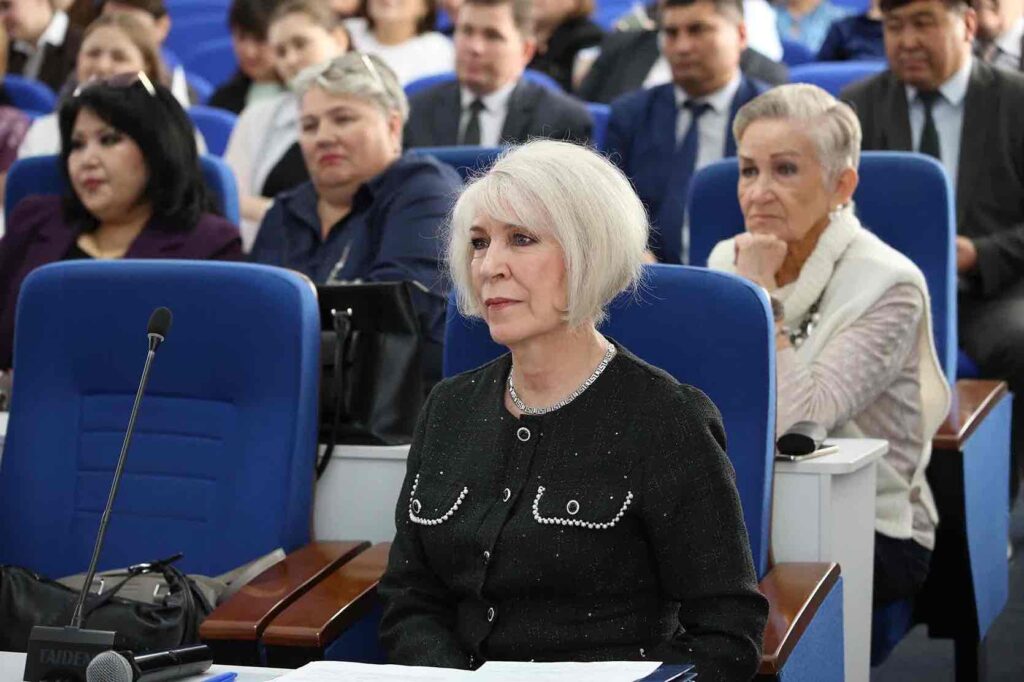
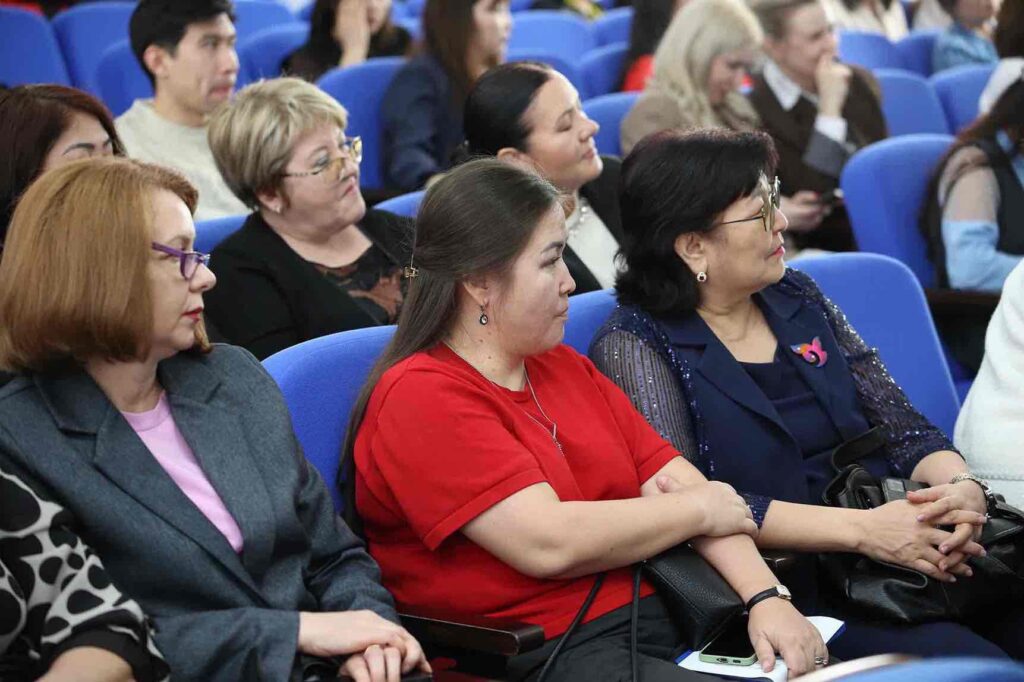
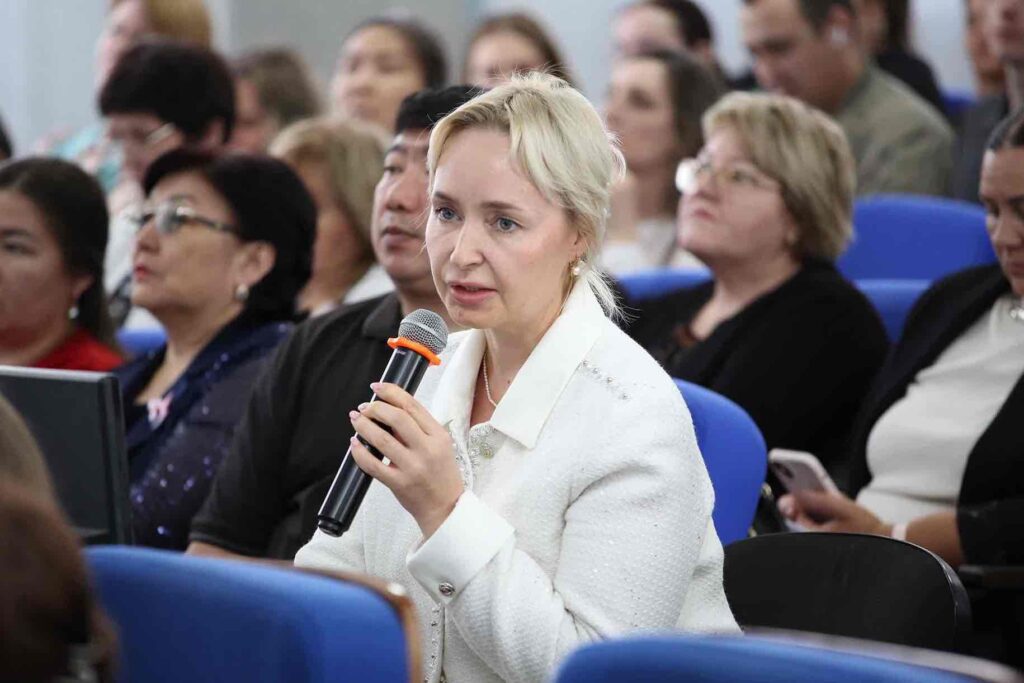
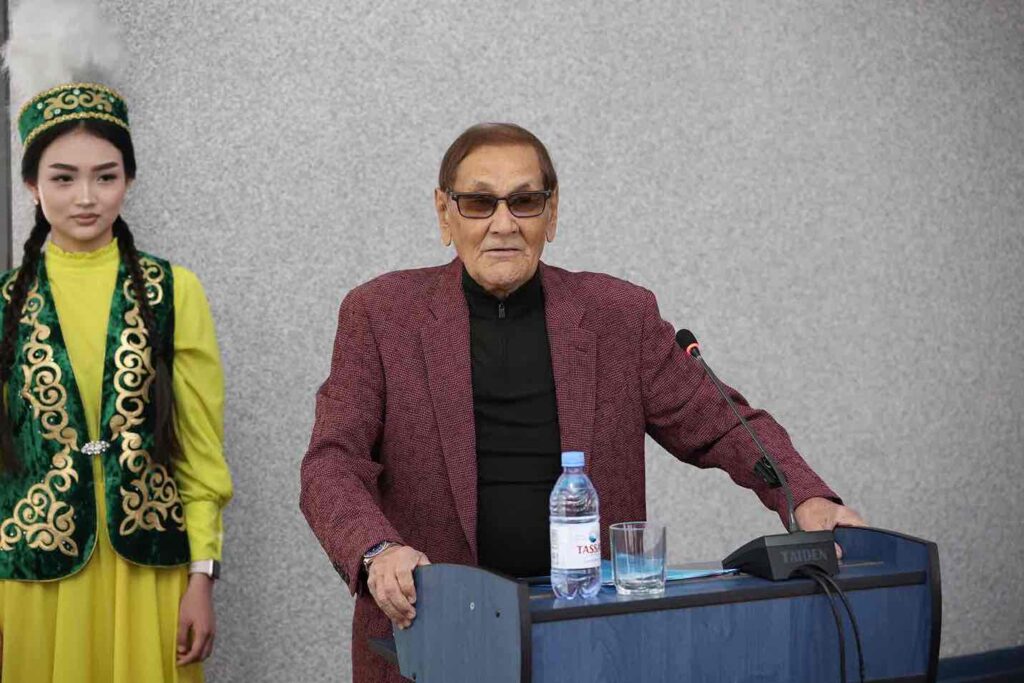
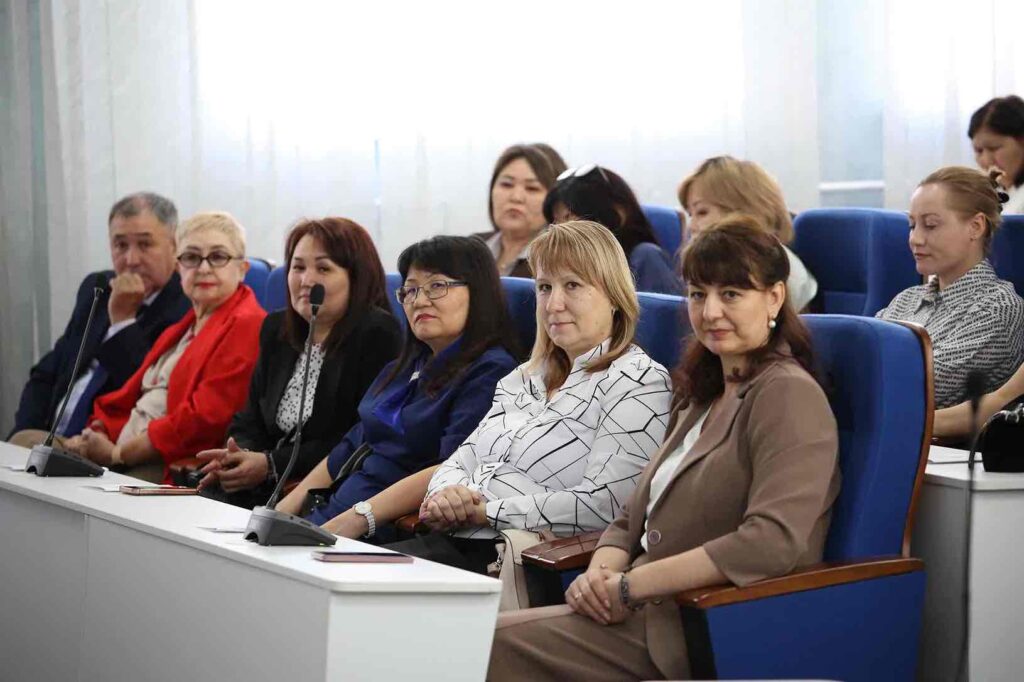
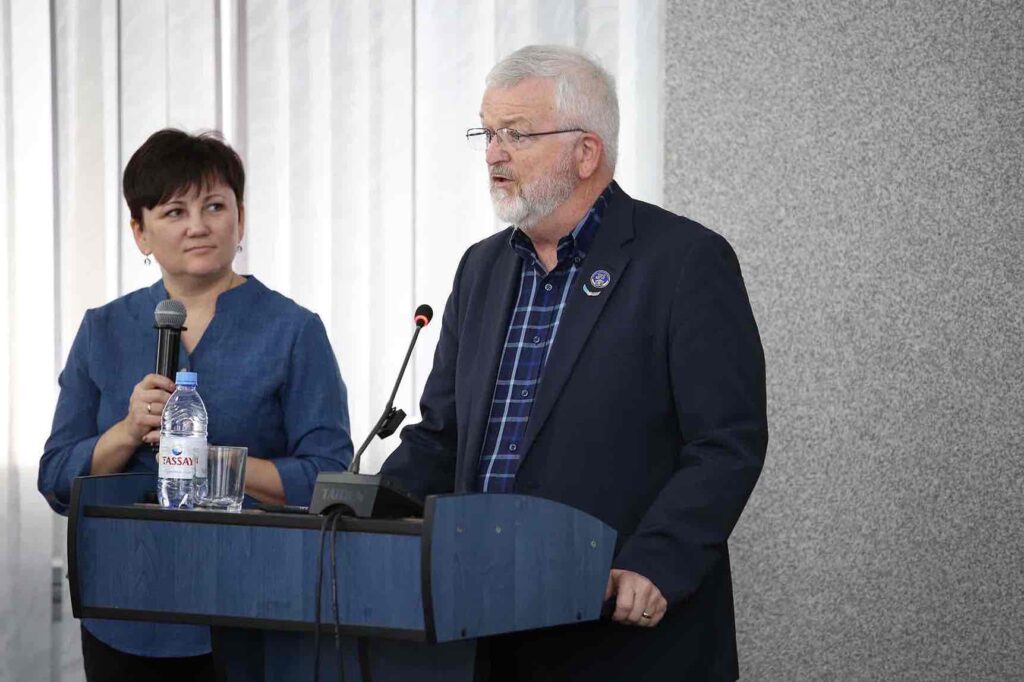
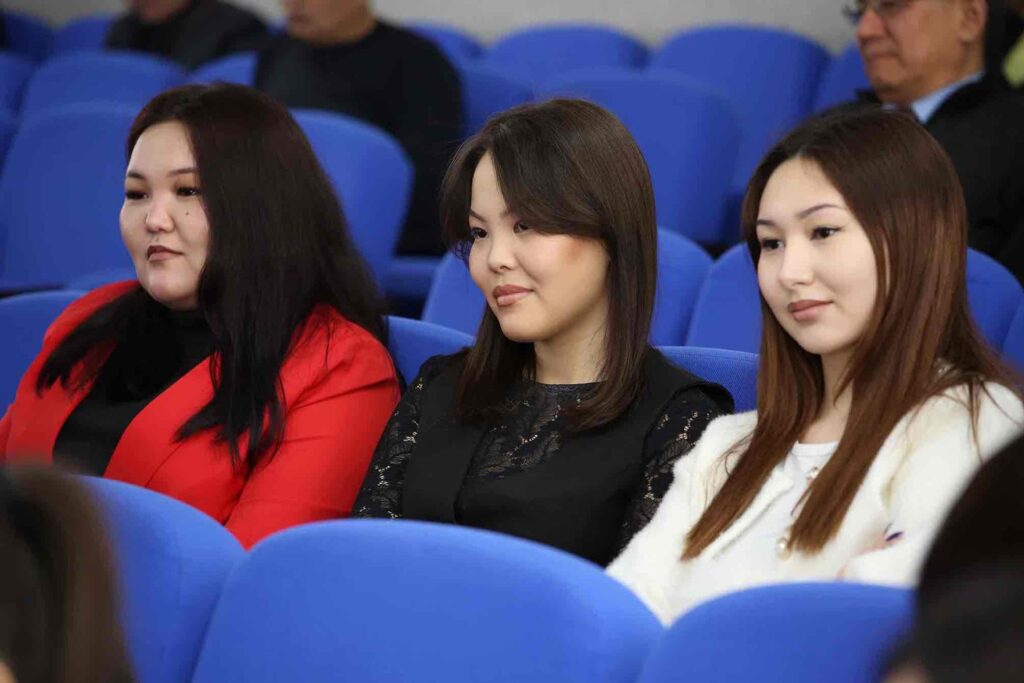
On April 21, 2026, the Kazakh-American Free University hosted an international practice-oriented seminar, “Continuity of Professional Education: School – College – University” in a Single Digital Space. The event brought together representatives of the education system, heads of educational institutions, faculty, experts, and international partners to discuss one of the key challenges of modern education: building a continuous educational trajectory for students.
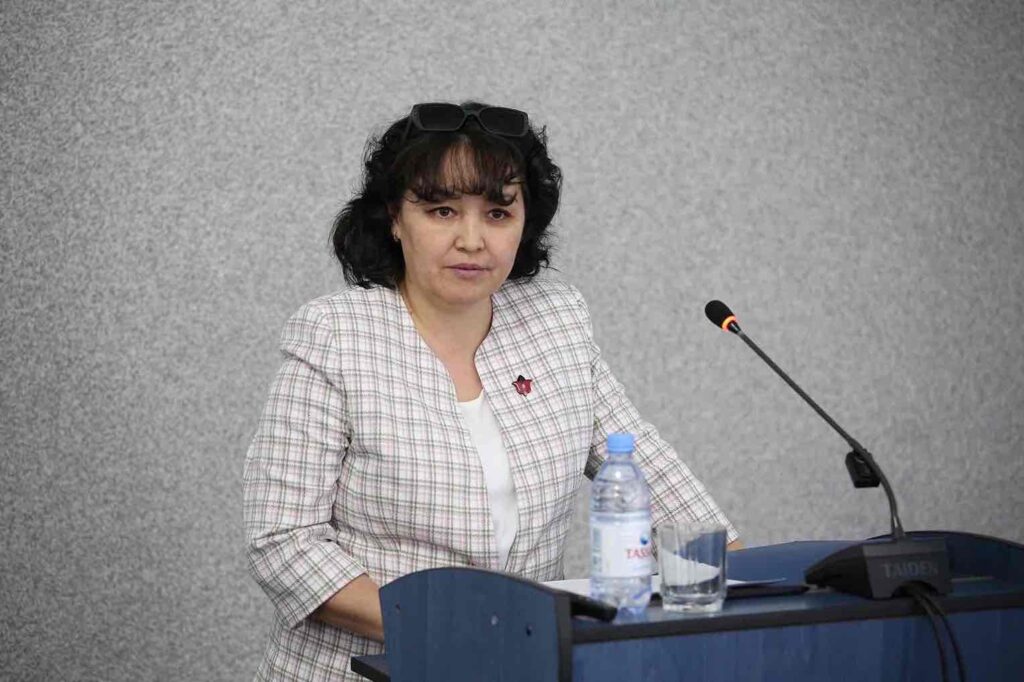
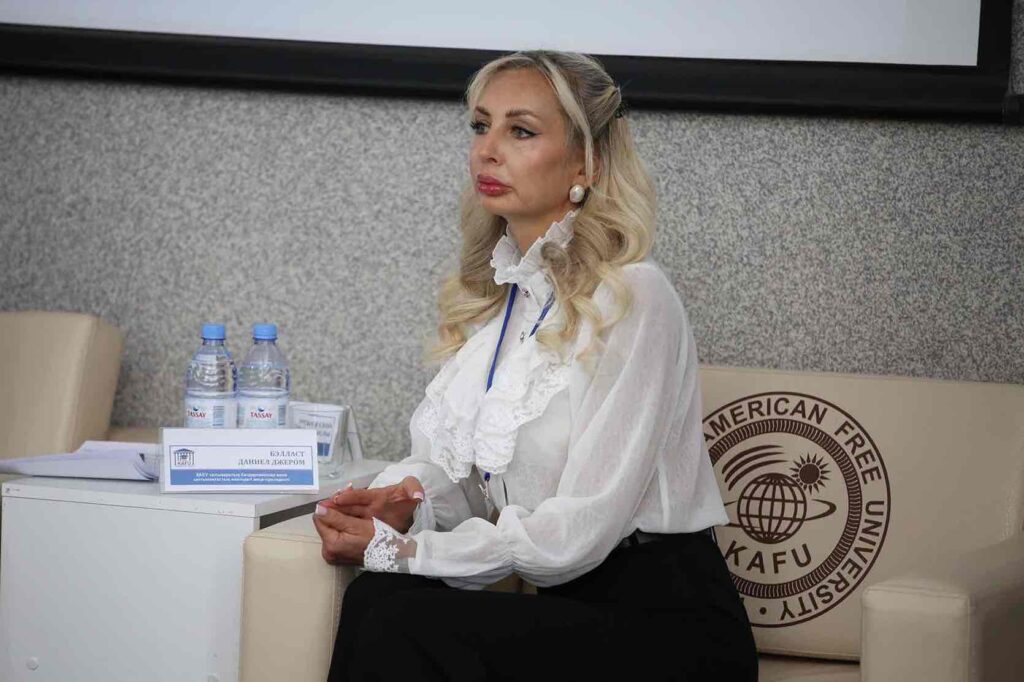
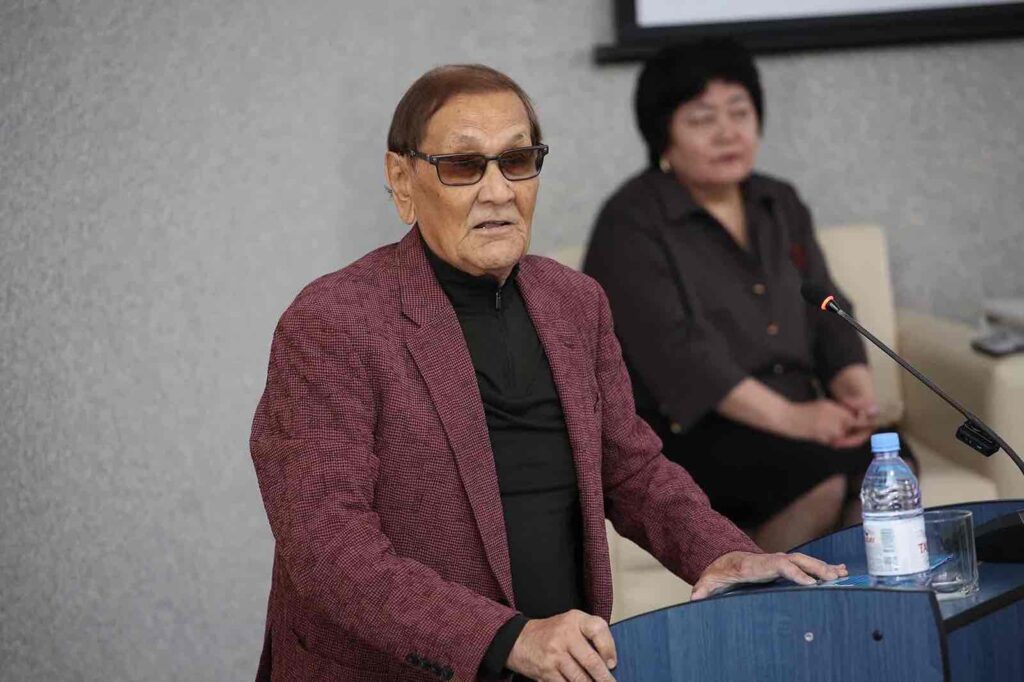
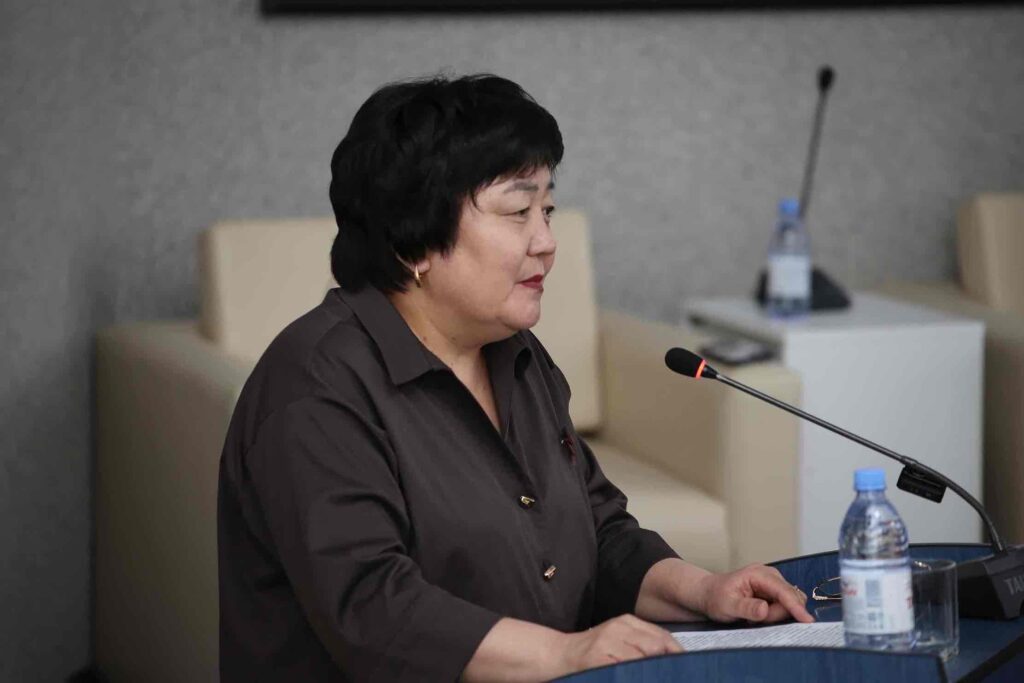
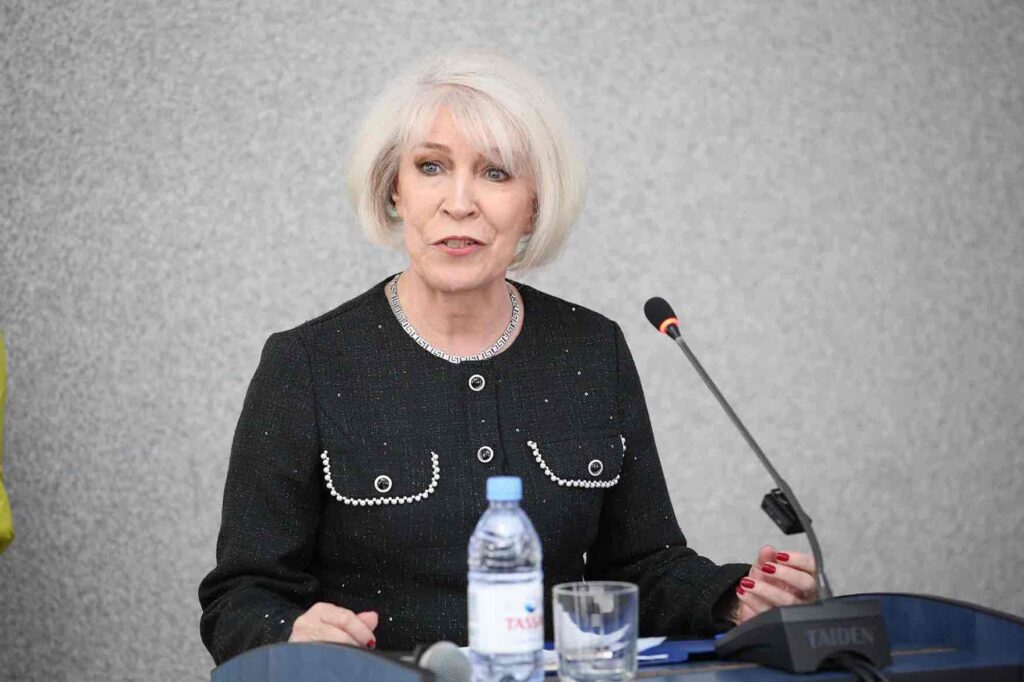
The seminar was moderated by Marina I.Kikina, PhD in Pedagogical Sciences, Associate Professor, Vice-Rector, and Director of the Higher College of KAFU. In her opening remarks, she outlined the central issue of the meeting: today, school, college, and university can no longer be viewed as isolated levels of education. Modern challenges require their substantive, organizational, and digital integration into a unified system for training the next generation of individuals and specialists. Welcoming addresses were addressed by KAFU President and Academician of the National Academy of Sciences of the Republic of Kazakhstan Yerezhep A. Mambetkaziev, Vice President for International Programs and Cooperation Daniel Ballast, and representatives of the regional education system. The presentations emphasized the need for strategic partnerships, international cooperation, and the modernization of the region’s educational environment.
The seminar demonstrated that continuity today extends far beyond the formal transition of a graduate from one level of education to another. It is a matter of coordinated programs, unified digital services, early career guidance, soft skills development, and training personnel to meet the real needs of the economy.
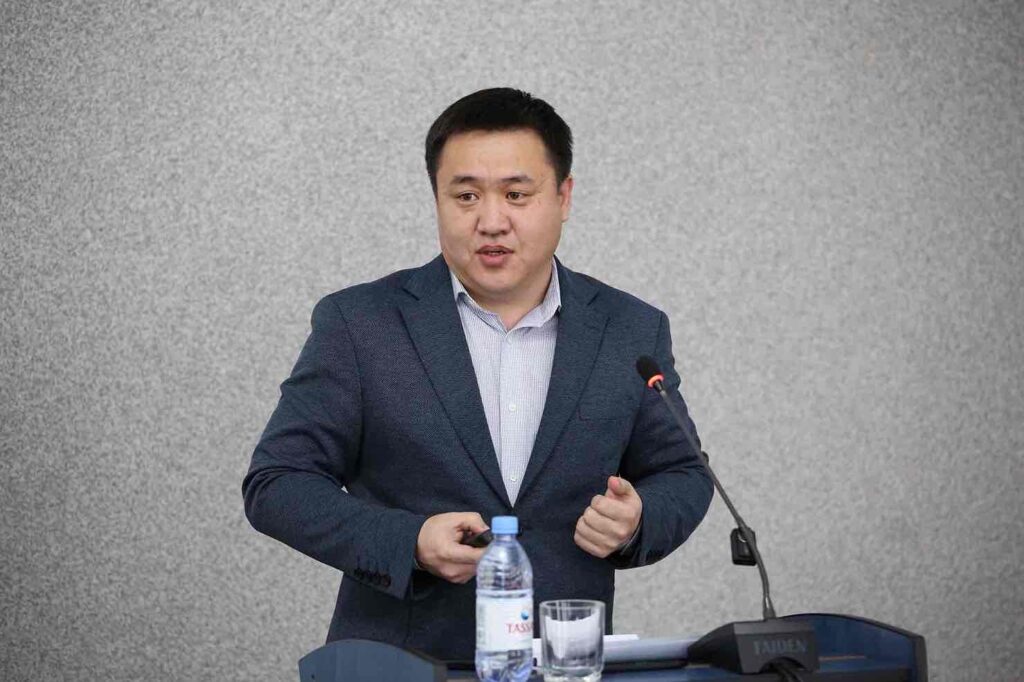
A presentation by international expert Ron Wylie explored the role of global educational interaction as a tool for improving quality and harmonizing training standards. KAFU First Vice President Zhassulan Y.Baikenov presented the “SmartStart KAFU” career guidance model as a practical mechanism for supporting students along the school-college-university trajectory. Participants paid special attention to the educational dimension of the digital environment. Marina I. Kikina’s presentation emphasized that digitalization fosters not only skills but also values, a culture of communication, responsibility, and the ability to self-develop. Consequently, the issue of continuity concerns not only curricula but also the development of students’ personalities.
Yulia V. Trofimova, Director of the Center for Information Support and Digital Educational Technologies and Senior Lecturer in the Department of Business, presented the topic “KAFU – Driver of Digital Continuity of Education: From School to University.” Her presentation highlighted the university’s potential as an integrator of the digital educational environment, uniting various levels of education into a unified system of interaction.
Gulmira K. Abyurova, Principal of YbyraiAltynsarin Secondary School No. 39, shared practical experience of school-university collaboration in her report “From Career Guidance to Profession: How to Build Real School-University Interaction.” Approaches to early career guidance for students, support in career choice, and fostering sustainable motivation for further education were presented.
Assem N. Nurlanova, Head of the Department of Pedagogy and Psychology at KAFU and PhD in Philology, presented the report “Dual Education as an Effective Tool for Teaching Staff Training: The Experience of the Kazakh-American Free University.” The focus was on combining academic training with practical work, which helps develop teachers prepared for the modern demands of the education system.
The practical aspect of the topic was continued in presentations on KAFU’s digital infrastructure, the university’s interactions with regional schools, and the dual model of teacher training. The case studies presented confirmed that an effective system of continuity is built where educational organizations work not sporadically, but as a unified network of partners.
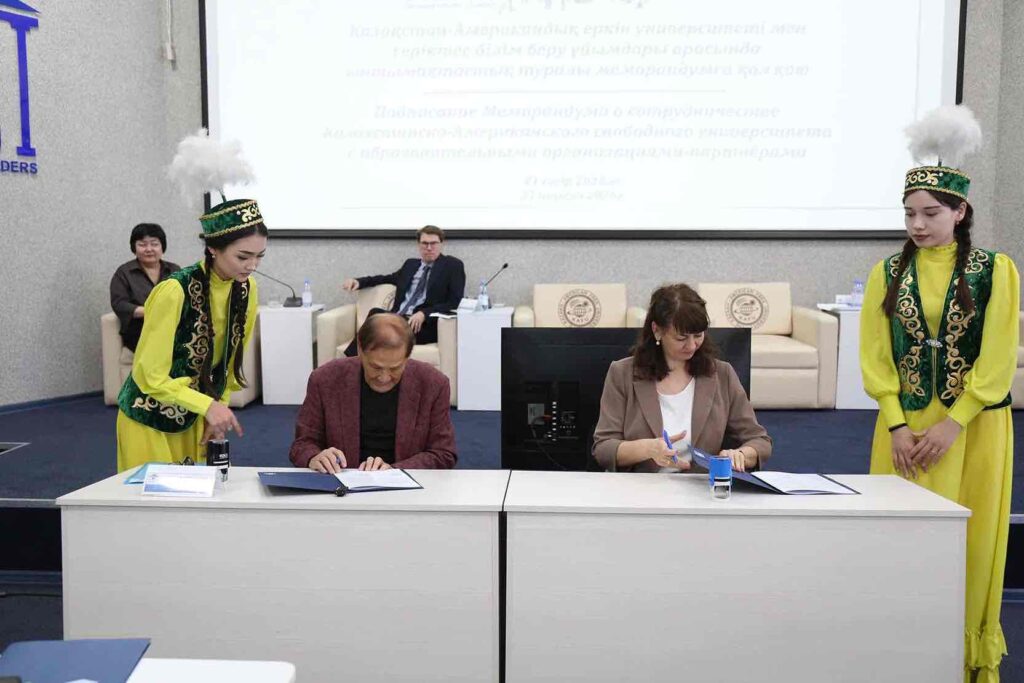
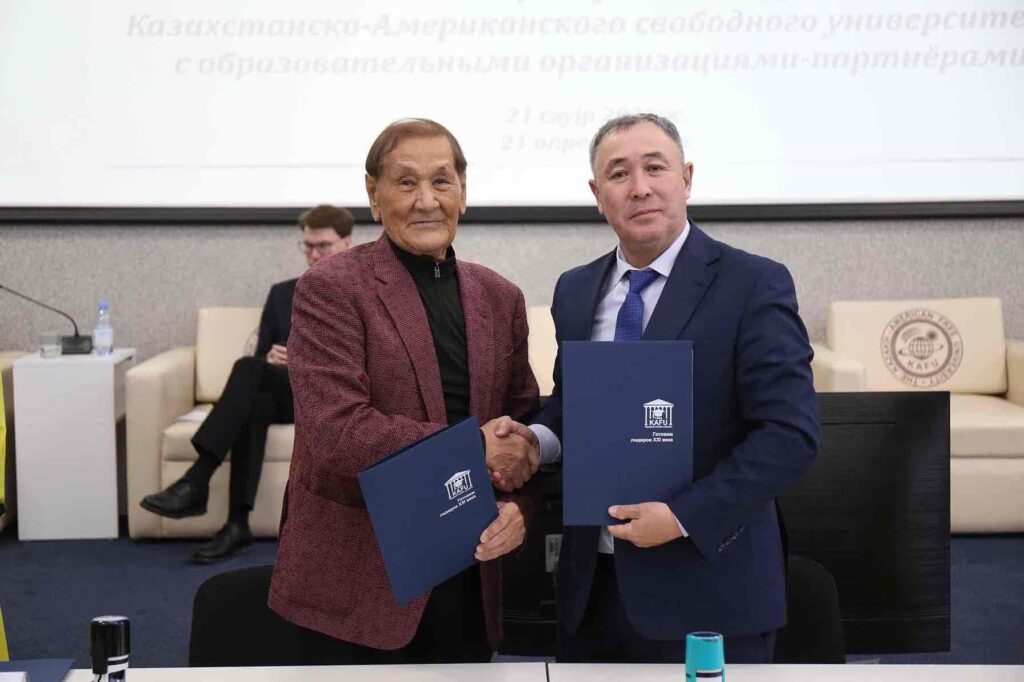
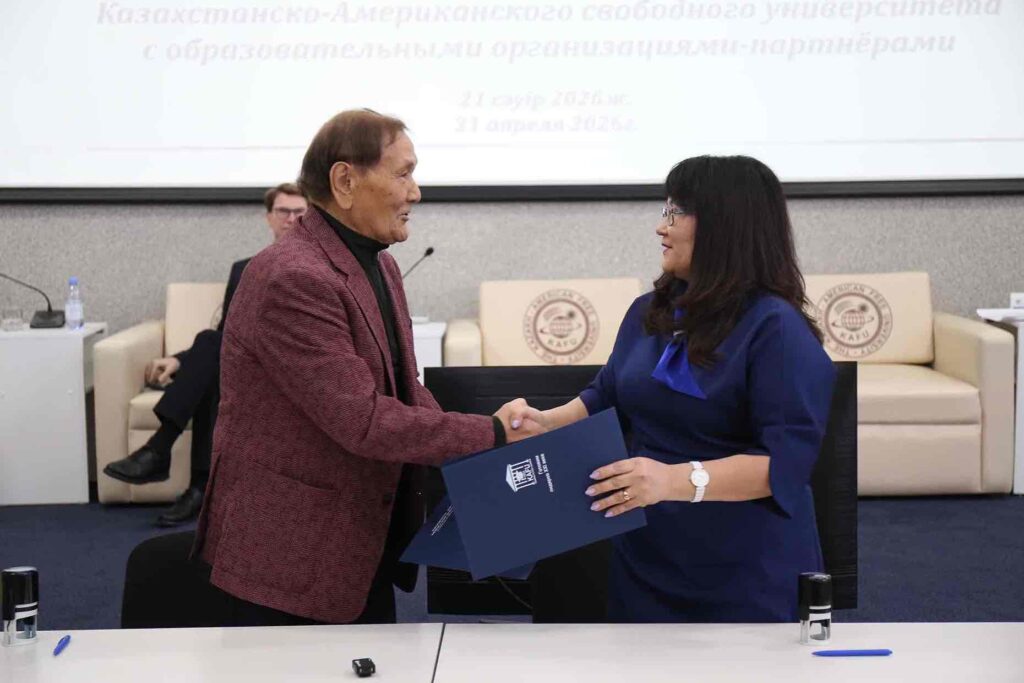
A significant outcome of the seminar was the signing of memoranda of cooperation between KAFU and several educational organizations in the region. This step strengthens the practical focus of the meeting and shifts the discussion from ideas to specific joint projects.
The seminar confirmed that the competitiveness of the modern education system is determined not by the number of individual initiatives, but by the degree of connectivity across all its levels. This is precisely why the “school-college-university in a single digital space” model is becoming not a prospect for the future, but a pressing need of the present. The Kazakh-American Free University is consistently strengthening its role as an integrator of this process in the region.