Plenary Session of the International Scientific Congress “The Future of Science and Education: International Experience, Innovation and Leadership”
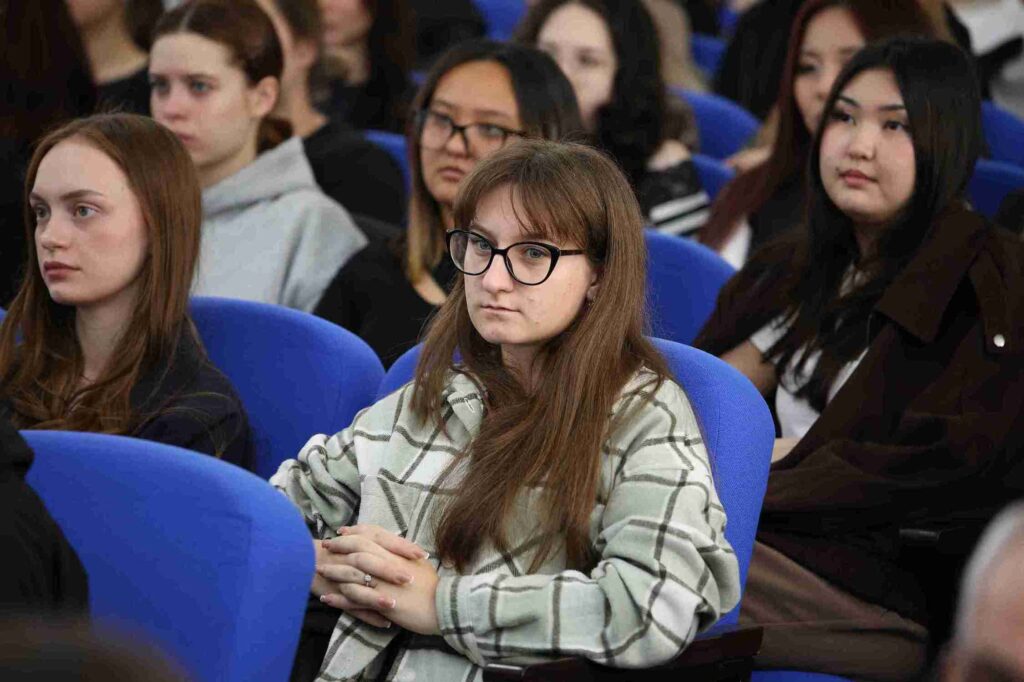
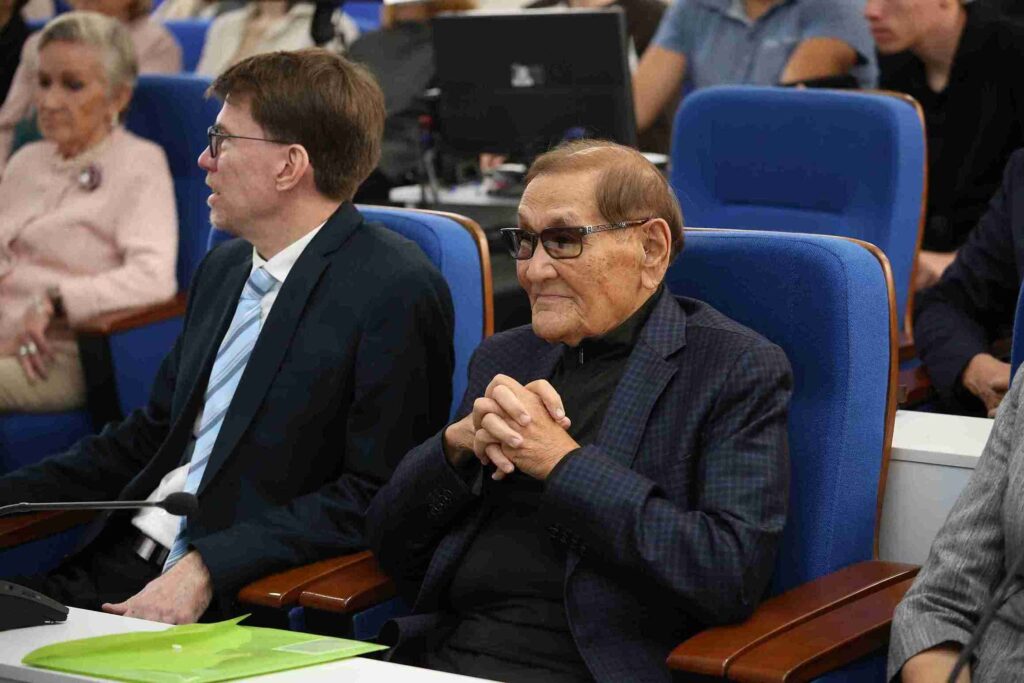
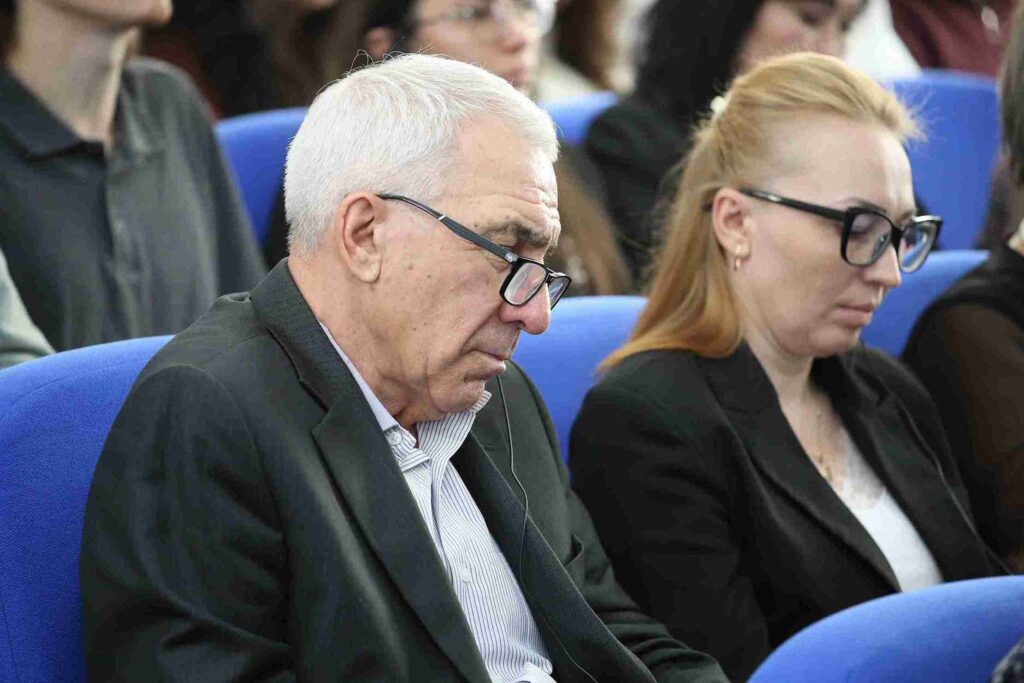
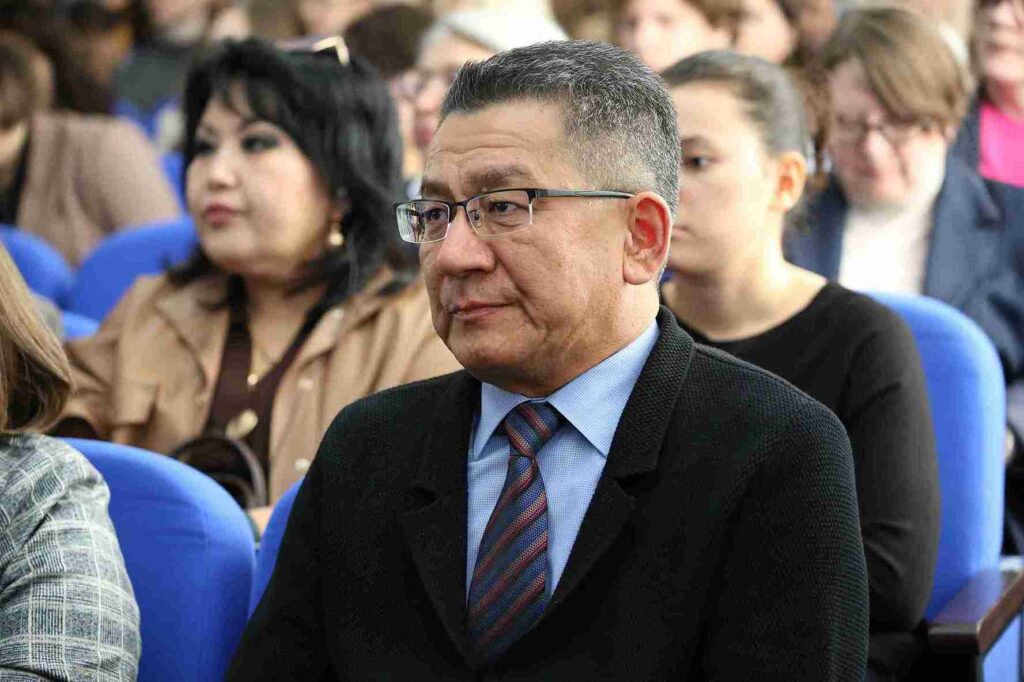
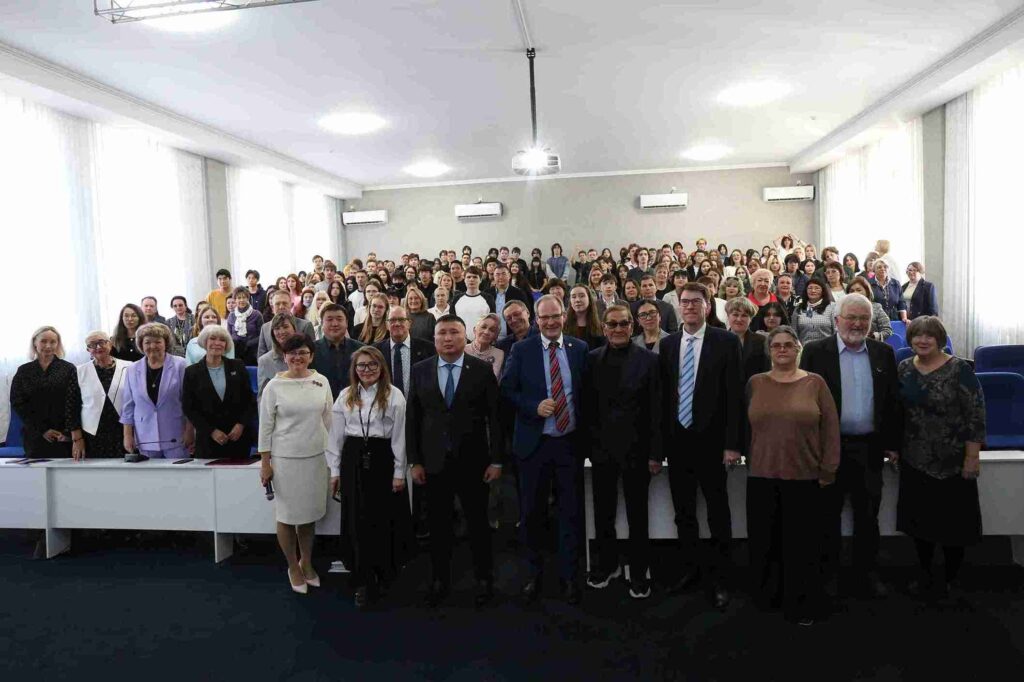
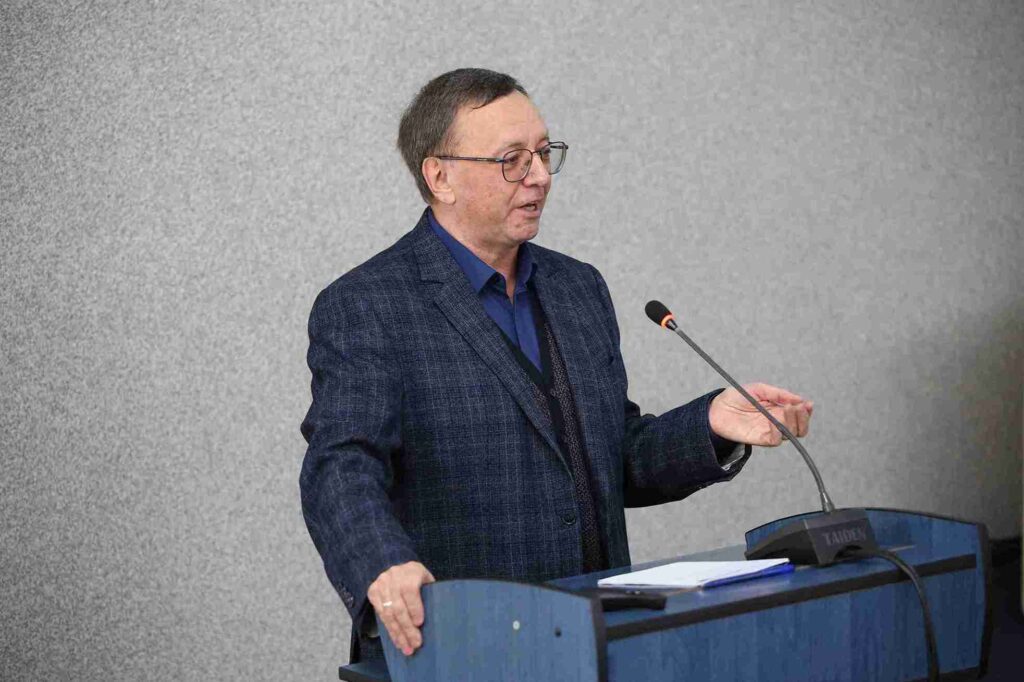
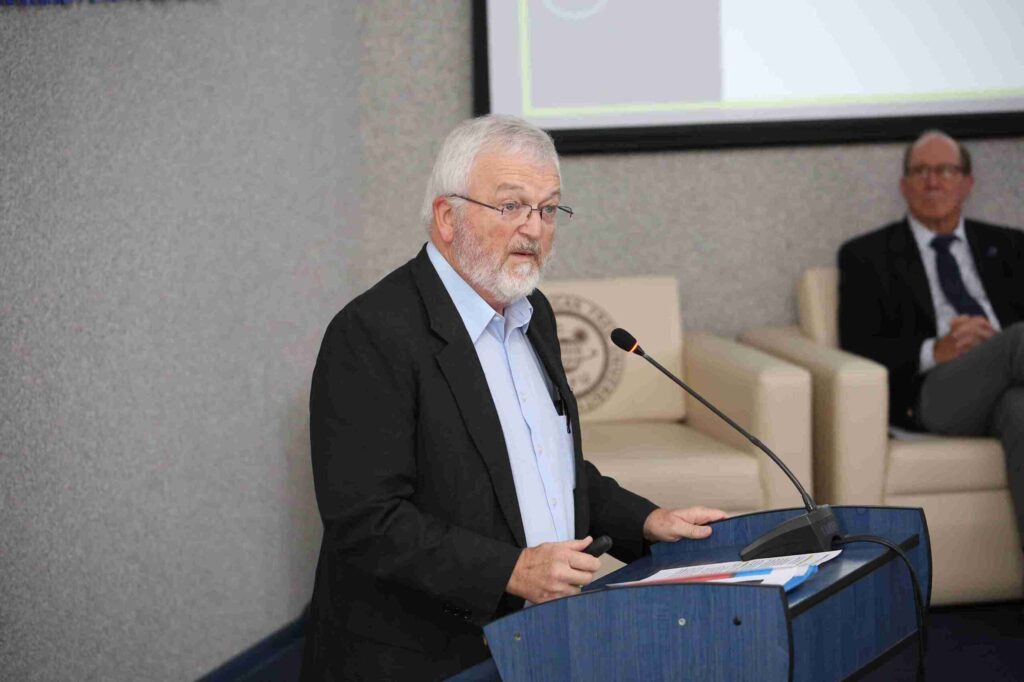
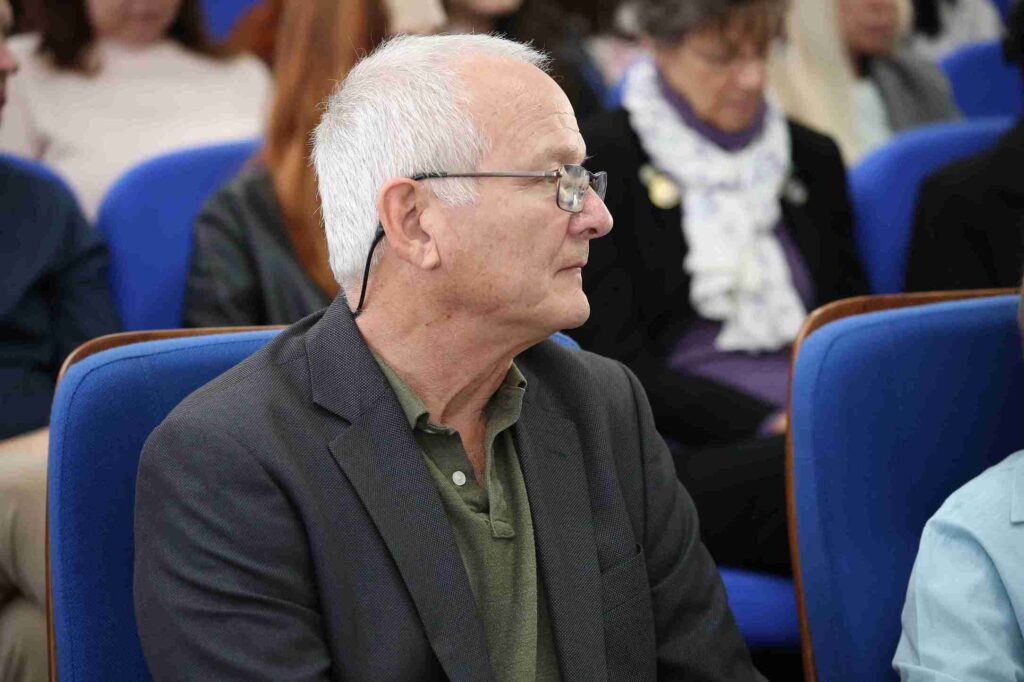
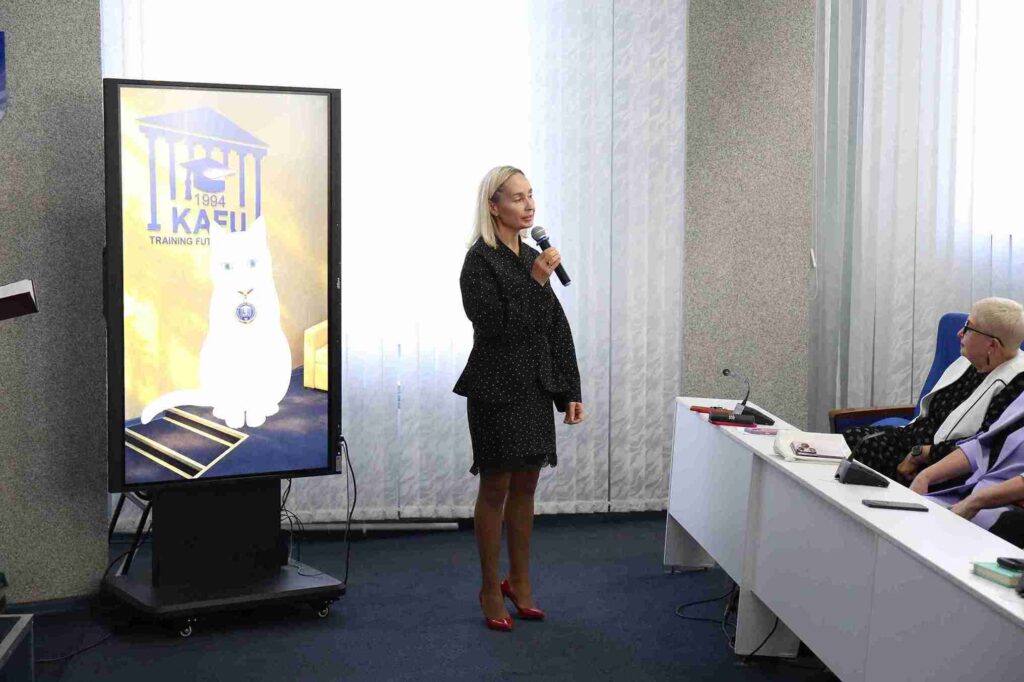
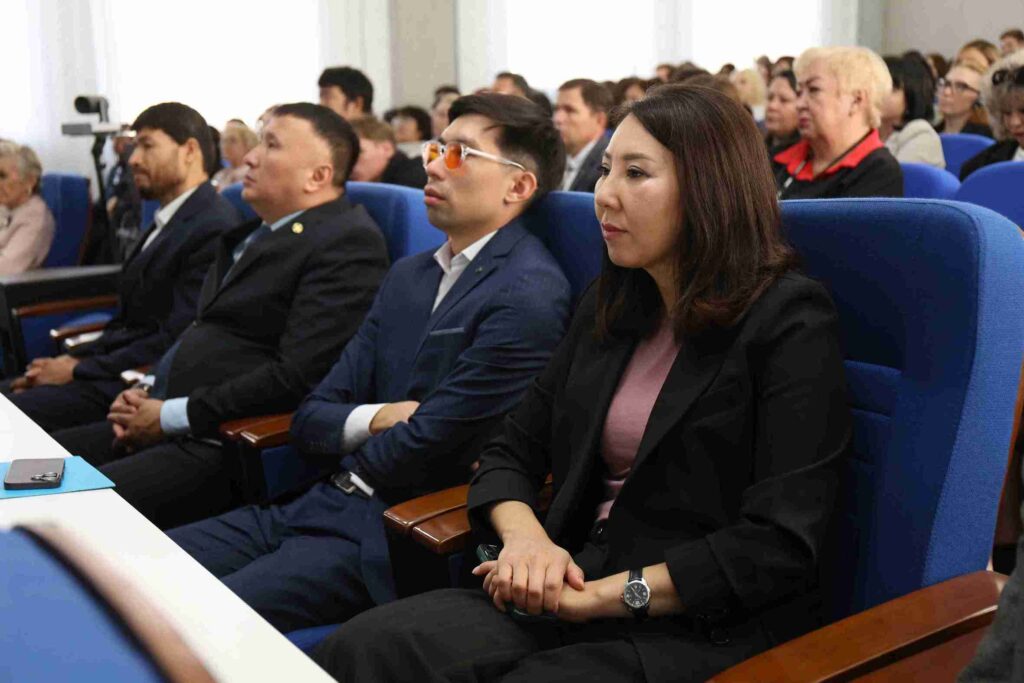
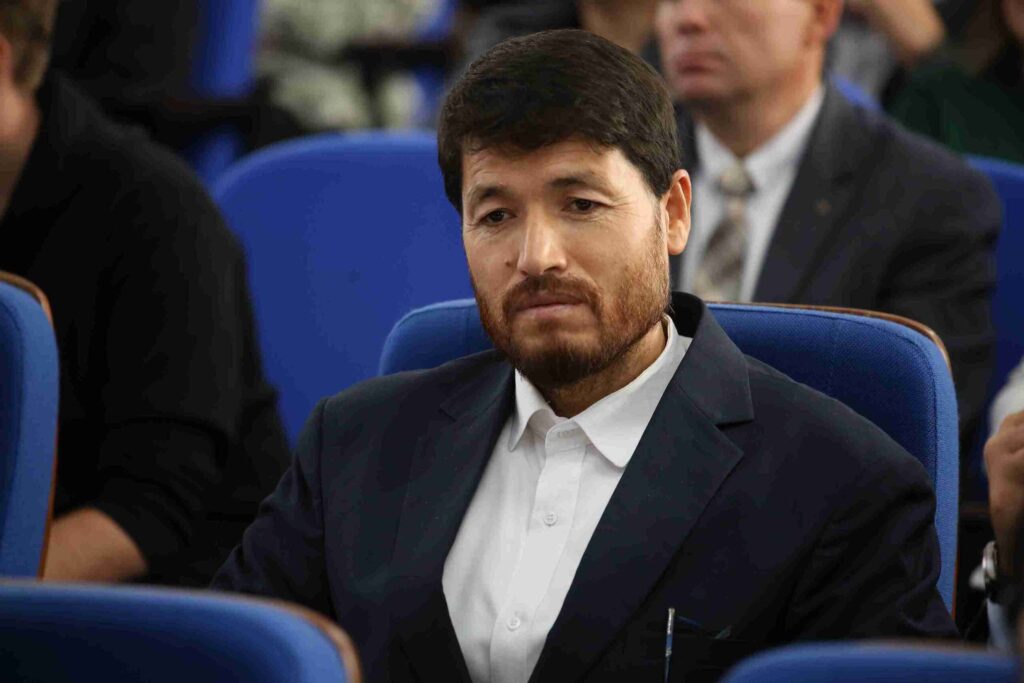
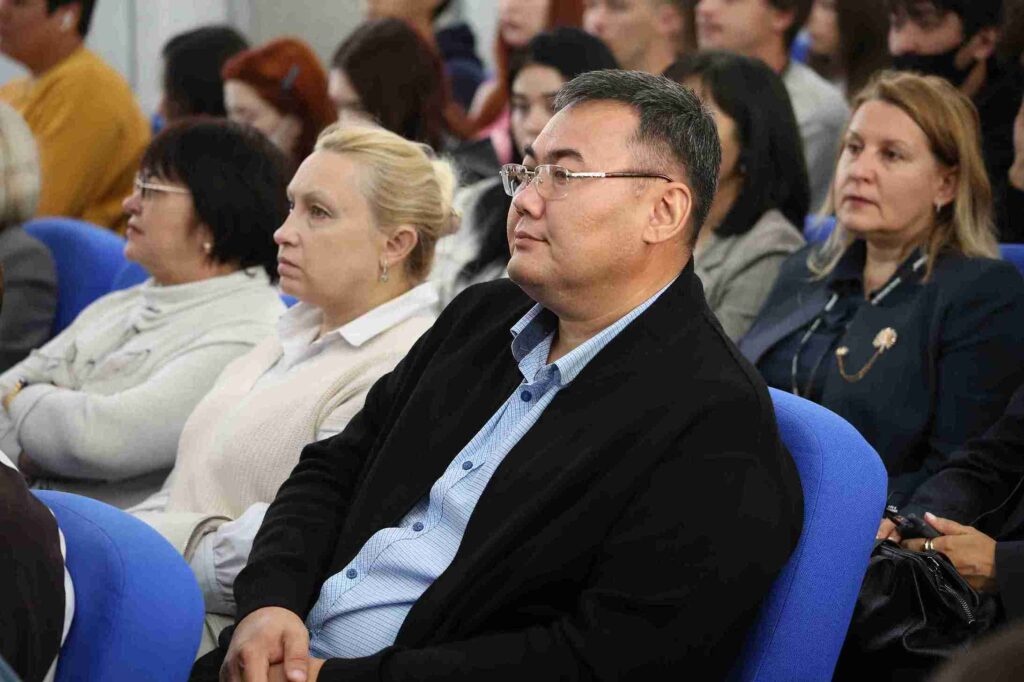
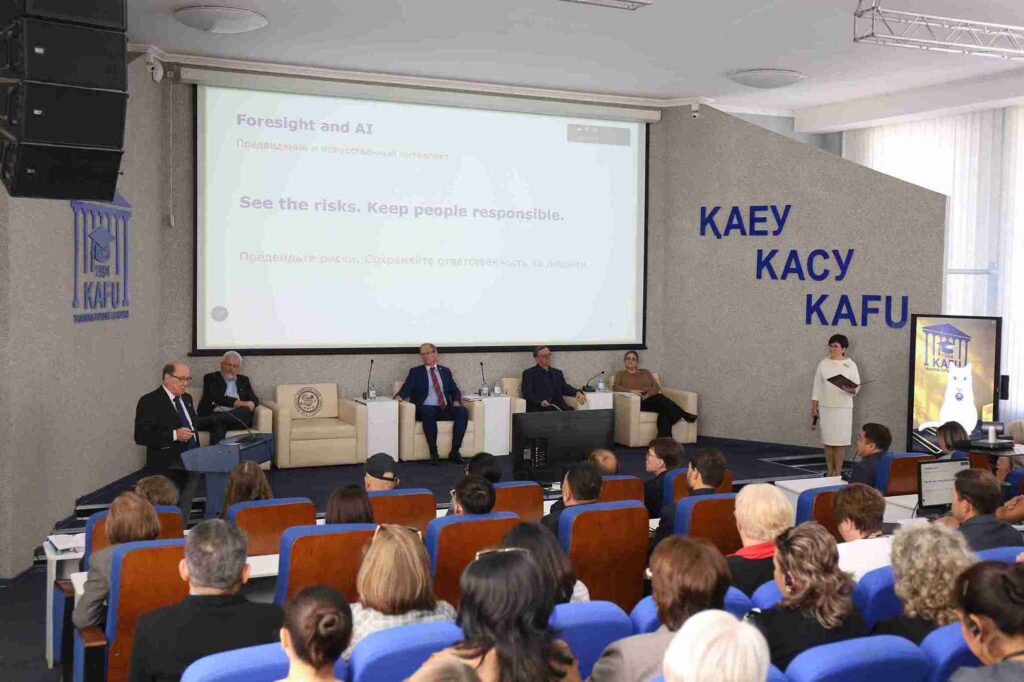
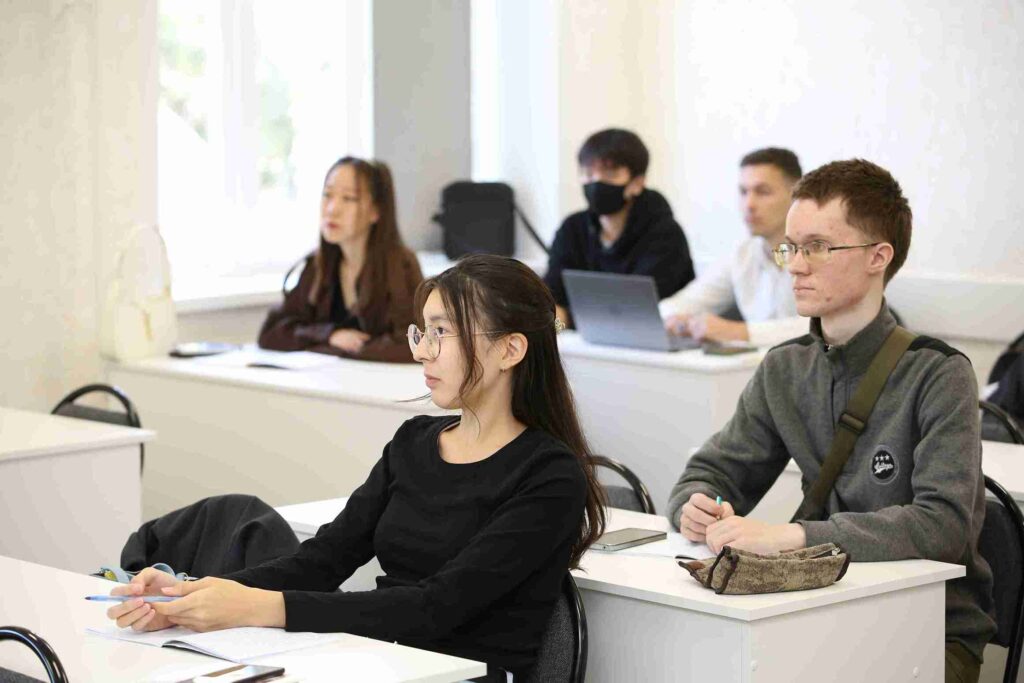
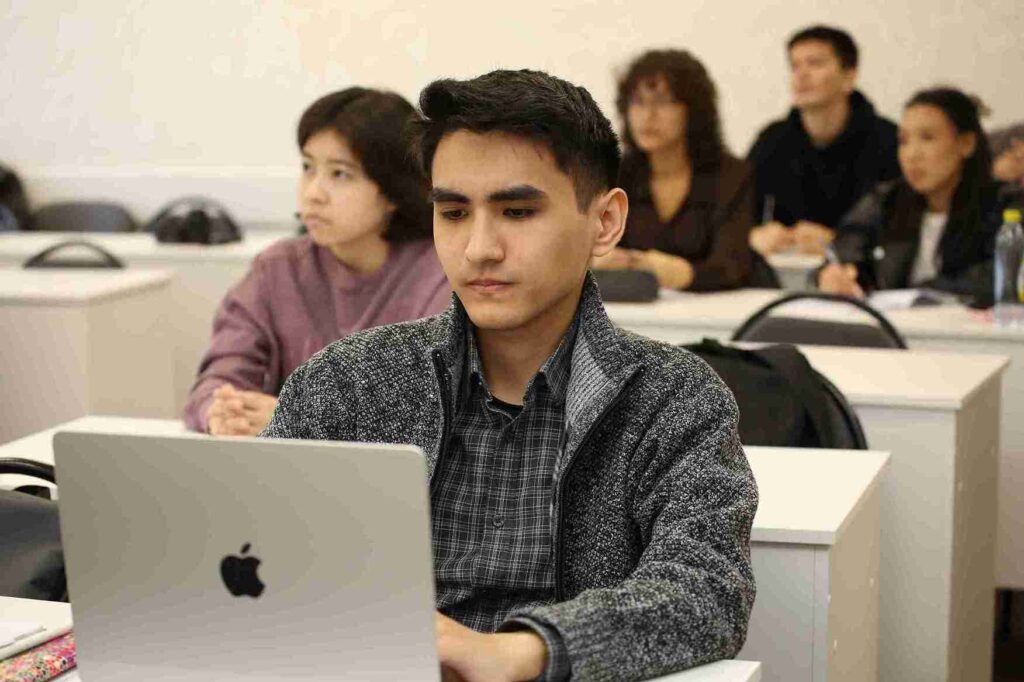
On September 29, 2026, Kazakhstan-American Free University hosted the plenary session of the International Scientific Congress “The Future of Science and Education: International Experience, Innovation and Leadership.” The event brought together researchers, faculty members, and international experts from five countries — Kazakhstan, the United States, Germany, Brazil, and Russia — as well as representatives of higher education institutions in East Kazakhstan Region, colleges, and other educational organizations in the region.
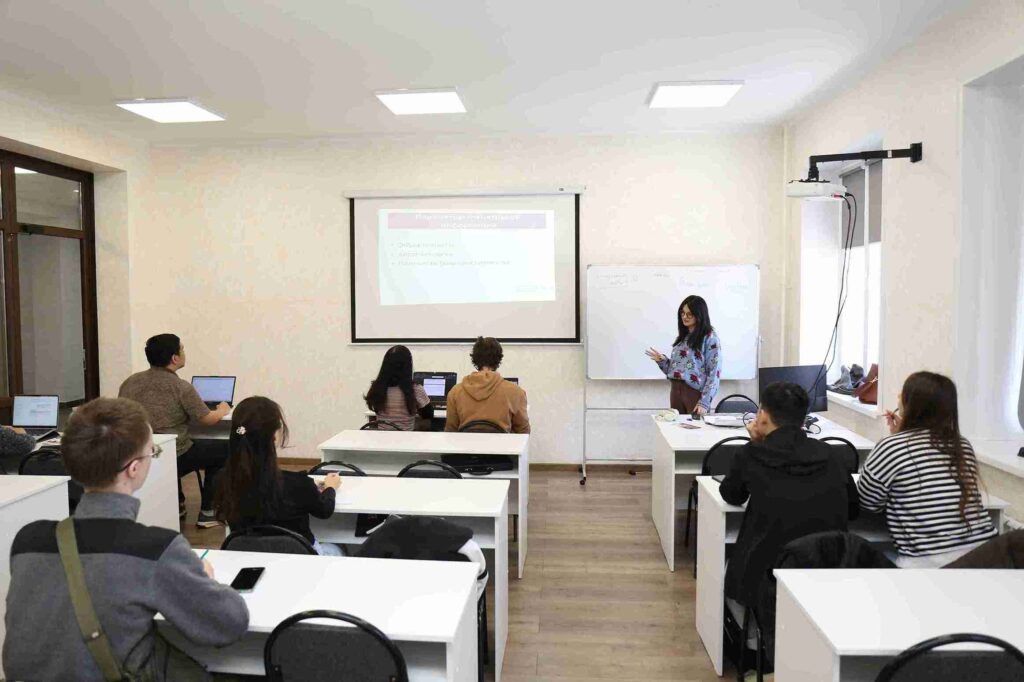
The Congress is held annually at KAFU and traditionally serves as one of the university’s key platforms for exchanging scientific and academic experience. Its program covers a wide range of topics related to economics, management, computer technologies, pedagogy, psychology, and other fields.
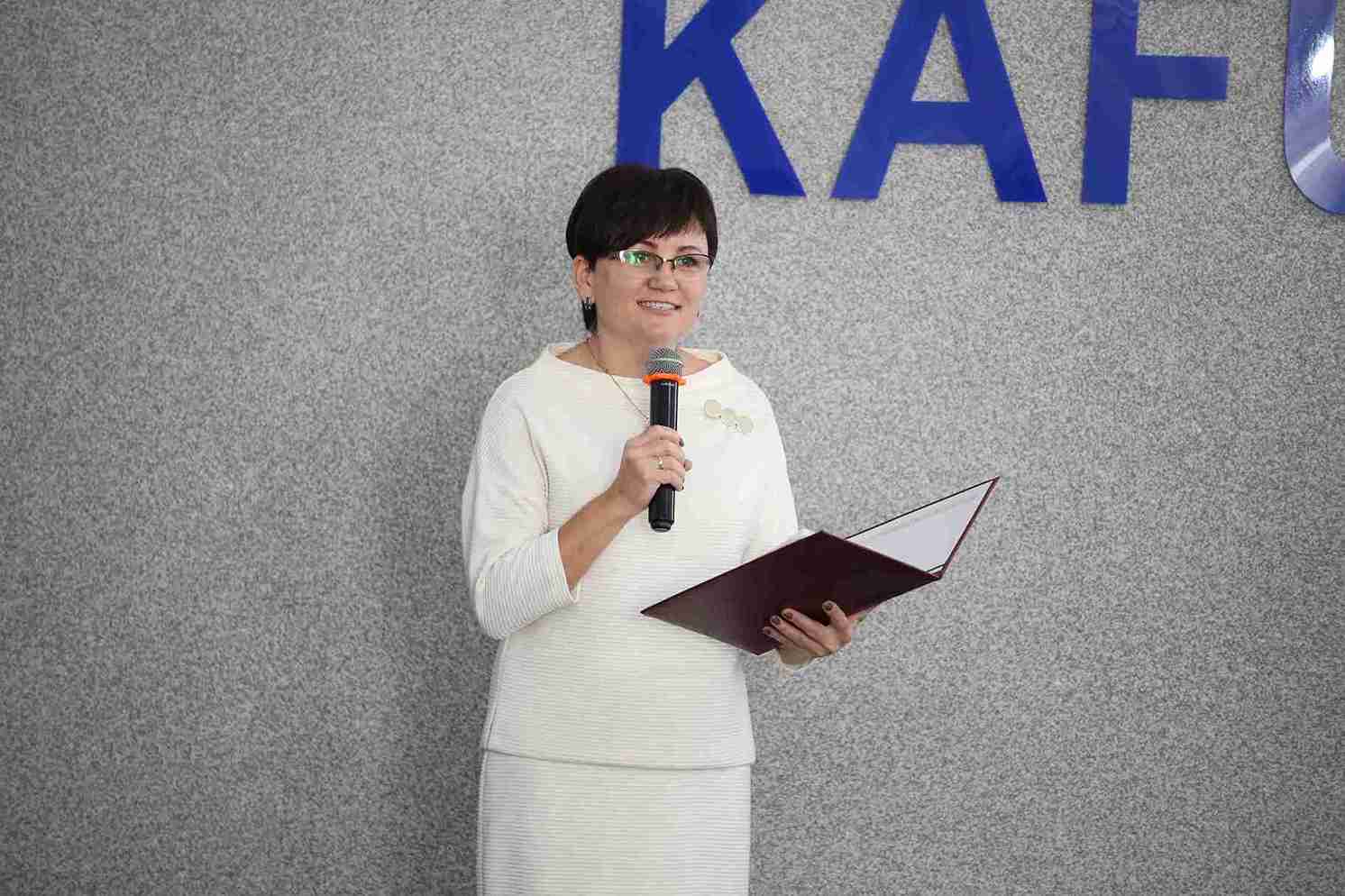
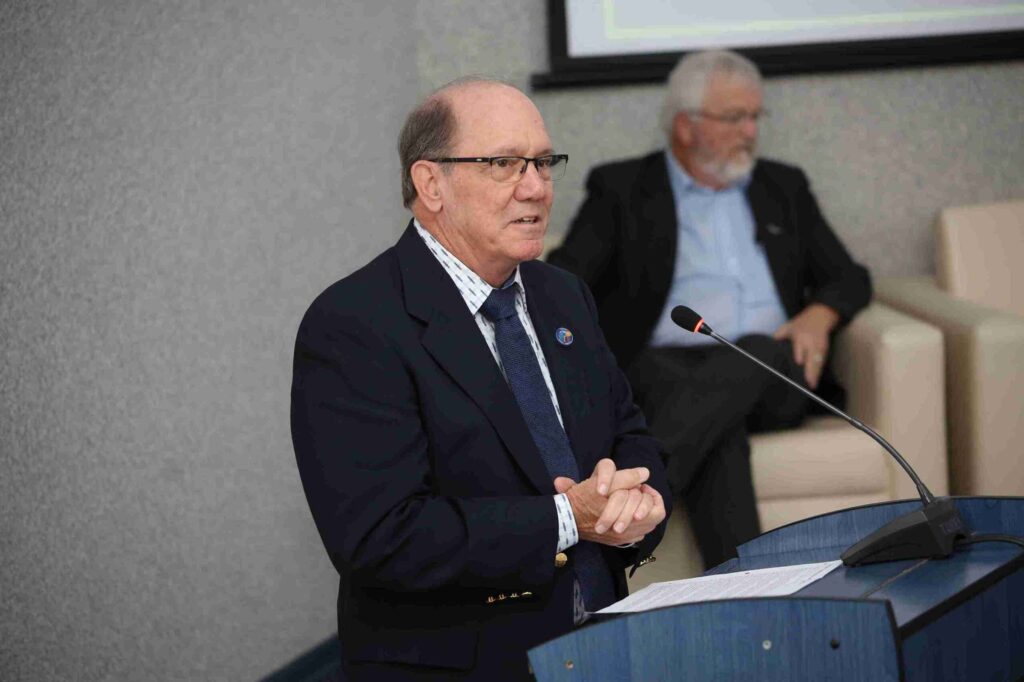
The plenary session was opened by Erezhep Alkhairovich Mambetkaziyev, Academician of the National Academy of Sciences of the Republic of Kazakhstan and President of KAFU. In his address, he emphasized the importance of such events in supporting talented young people, strengthening the academic community, and expanding academic cooperation.
In his welcoming remarks, Daniel Ballast, Vice President of KAFU for International Programs and Cooperation, emphasized that representatives from Kazakhstan, Russia, the United States, Canada, Brazil, Germany, and other countries are invited to participate in the Congress. According to him, the international composition of the participants contributes to establishing sustainable partnerships and expanding cooperation.
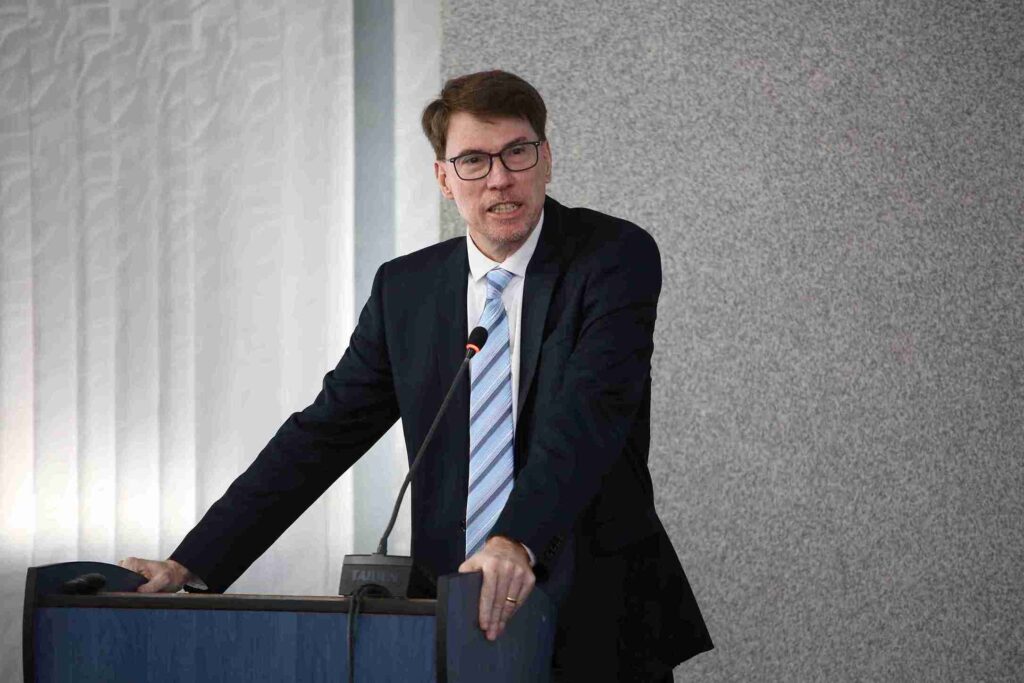
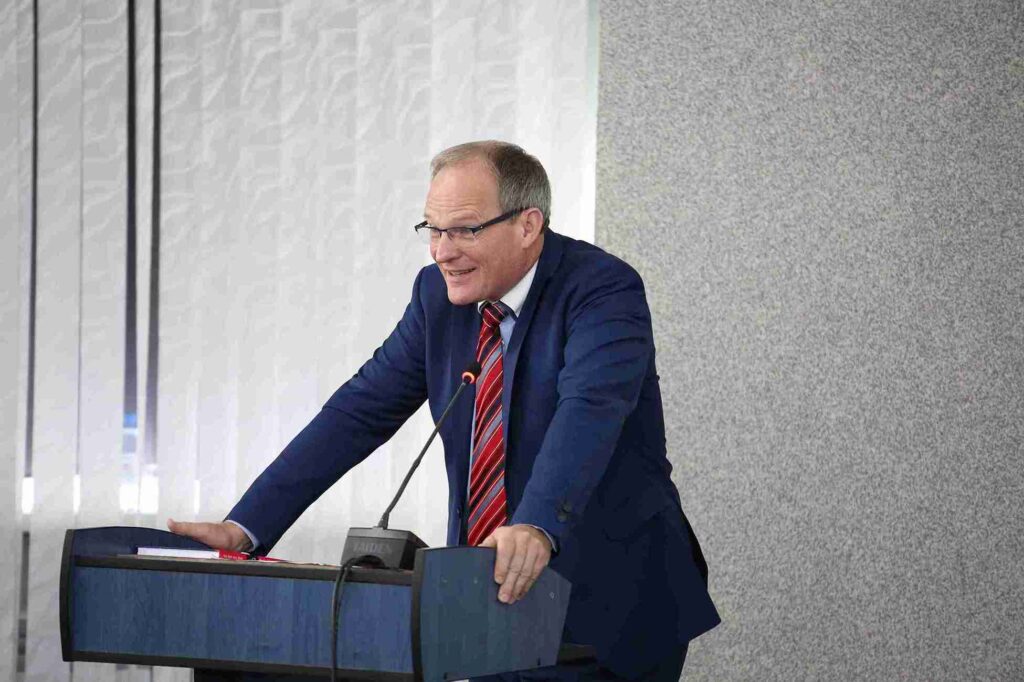
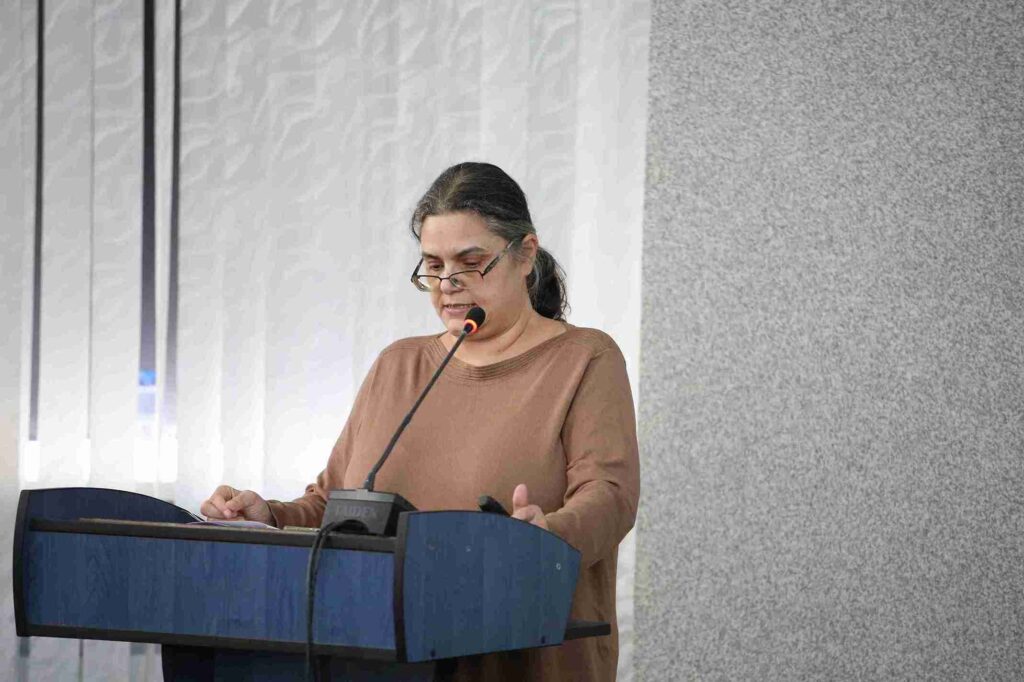
One of the central topics of the plenary session was the impact of artificial intelligence on education, management, and professional activities. This issue was addressed in the presentation “Servant Leadership in the Age of Artificial Intelligence, Uncertainty and Global Change” by David McNamee, PhD, Senior Research Fellow at Co-Serve. He noted that modern leaders should not only use new technologies effectively but also consider the specific features and consequences of their implementation. Responsibility, cooperation, employee support, and attention to people’s needs are particularly important in this context.
Andrey Alexandrovich Tyorov, Candidate of Pedagogical Sciences and Associate Professor at the Institute of Continuing Education of Moscow City University, presented on “Individualization as a Trend in the Development of Modern Science and Education: Model Solutions and Options (MSU Cases).” He examined contemporary approaches to individualizing the educational process and emphasized the importance of enabling students to independently design their educational paths based on their needs, abilities, and goals.
Cristiani Giovannini, PhD, Research Fellow at the Business School of the Pontifical Catholic University of Rio de Janeiro, addressed the quality and reliability of research in the field of business in her presentation “Validity, Reliability and Comparability in Business Research.” Particular attention was paid to the validity, reliability, and comparability of results — criteria that make it possible to interpret data correctly and use it in managerial decision-making.
The challenges of training specialists in the context of artificial intelligence development were discussed by Kai Nobach, Professor at the Nuremberg Institute of Technology Georg Simon Ohm (Germany), in his presentation “Artificial Intelligence and the Future of Business Graduates.” He described in detail the impact of technological changes on the content of modern business education and emphasized the need to integrate artificial intelligence into all academic disciplines.
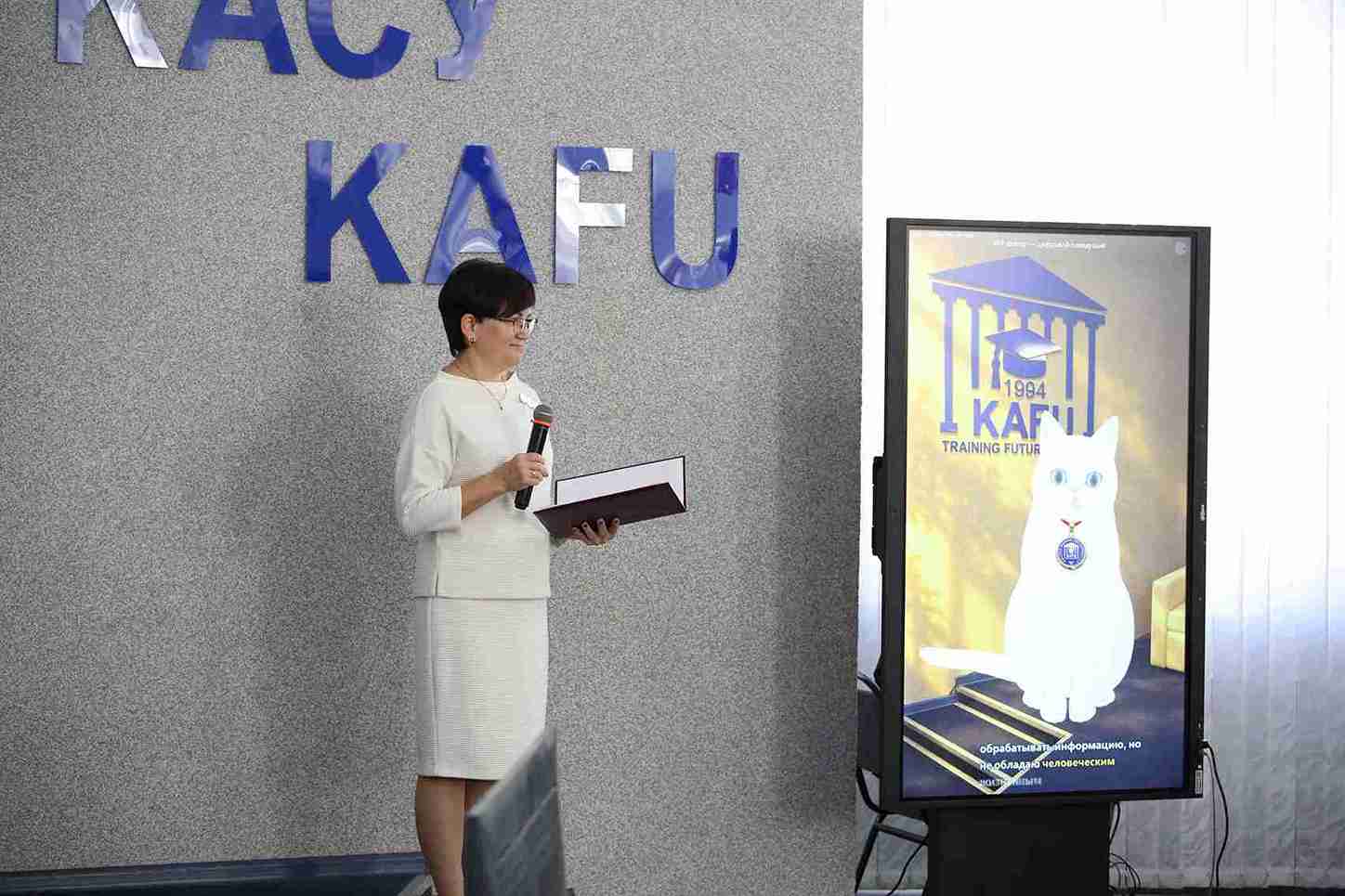
Yeldar Yerkinuly Mubarakov, PhD, presented “The University of the Future: From Digital Transformation to an Intelligent Educational Ecosystem,” focusing on the transition from digital transformation to the development of an intelligent educational ecosystem. As examples, he referred to AI-powered virtual assistants that are already actively used at the Georgia Institute of Technology and Arizona State University.
The plenary session concluded with a presentation by Ronald Brooks Wiley, PhD, Associate Professor of the Department of Law and International Relations at KAFU. In his presentation “Human Flourishing in the Age of Technological Development,” he examined the impact of technology on individuals and society, addressing issues related to the boundaries of artificial intelligence use and the responsible application of digital tools.
Following the presentations, a question-and-answer session was held, allowing participants to address the speakers directly and discuss the prospects for the development of science and education.
The plenary session demonstrated that the current scientific agenda is increasingly connected with digital technologies, artificial intelligence, and the implementation of new approaches to education. At the same time, participants focused not only on technological opportunities but also on research quality, the principles of modern leadership, responsibility, and the importance of preserving human interaction.