Roundtable: “Media Literacy in Modern Journalism”
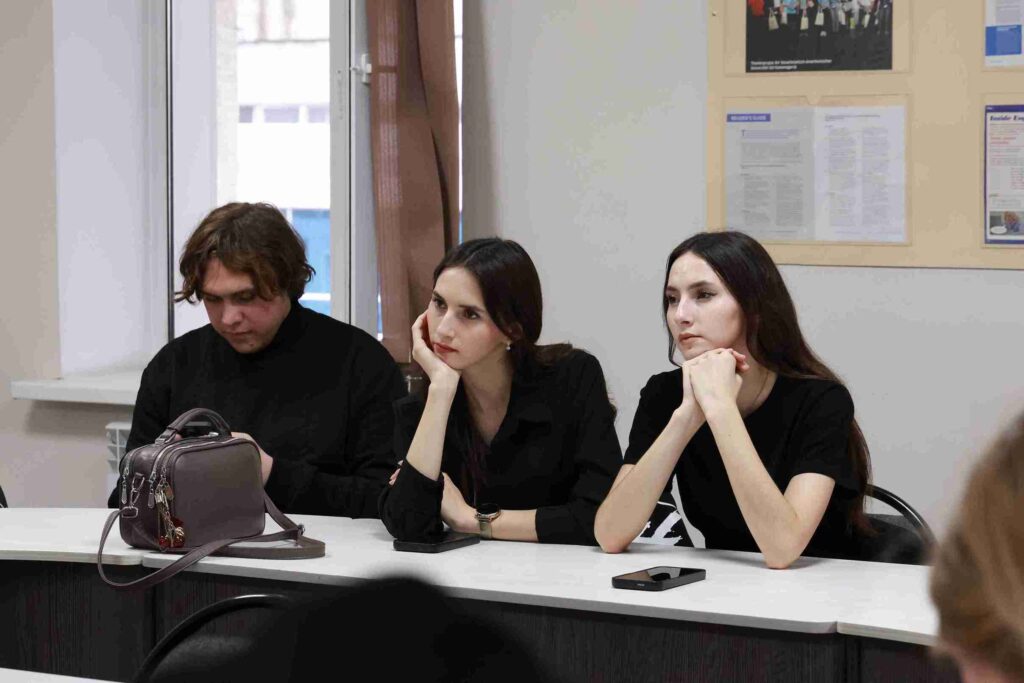
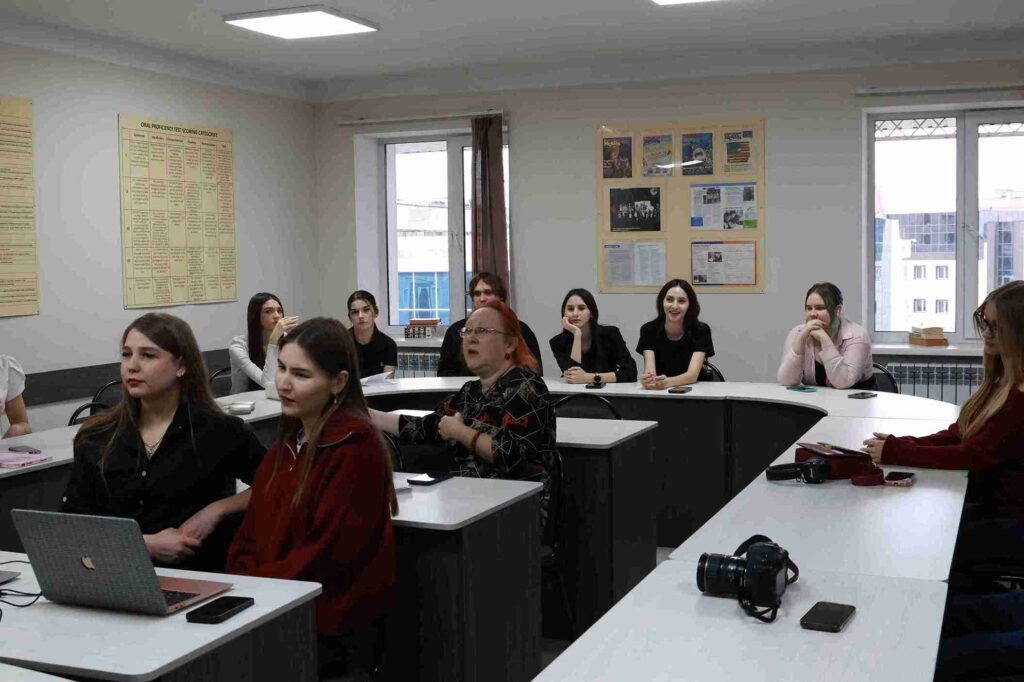
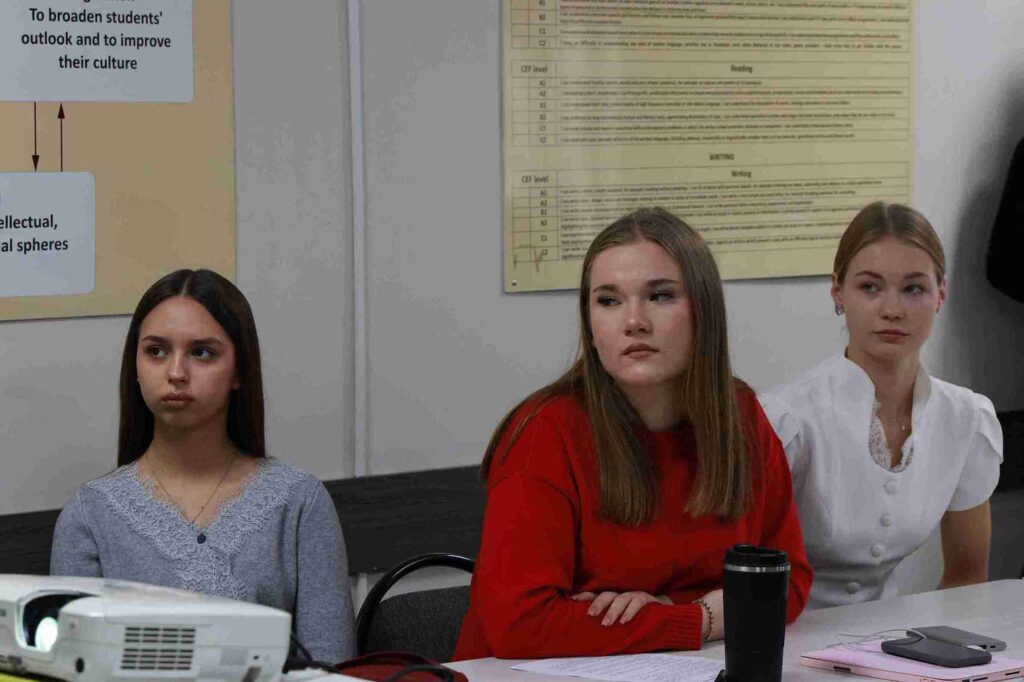
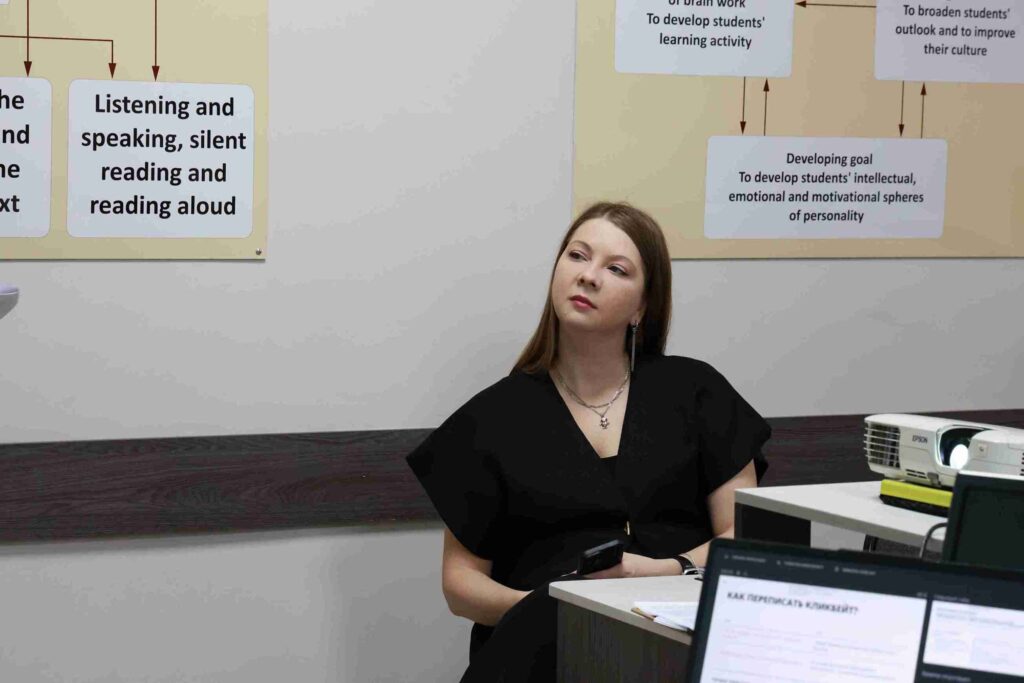
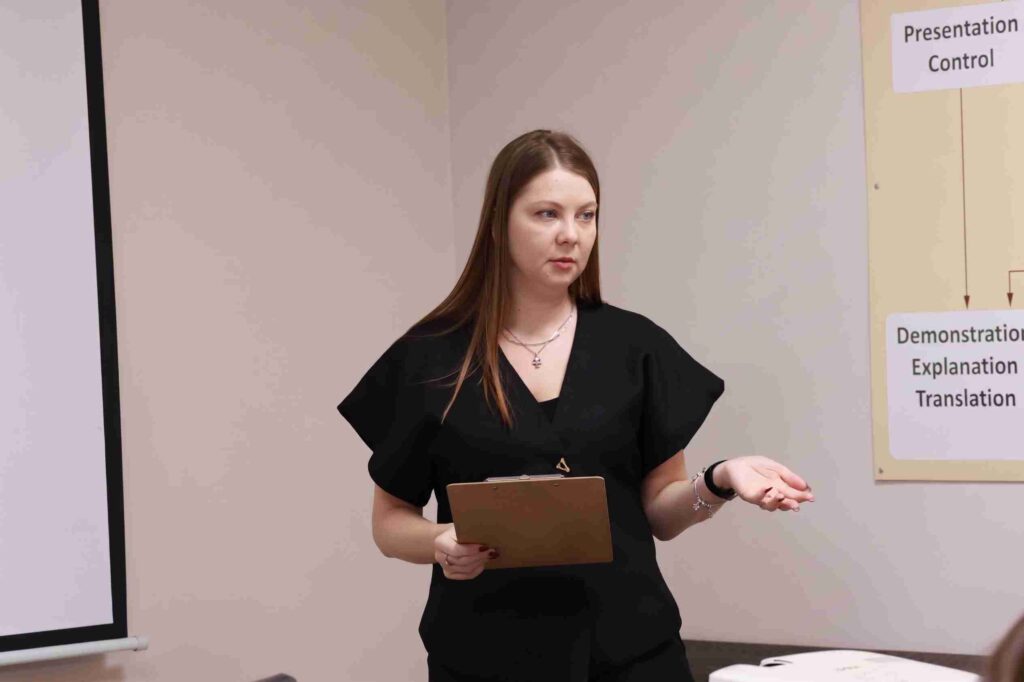
On November 11, 2026, the Kazakh-American Free University hosted a roundtable titled “Media Literacy in Modern Journalism,” bringing together first- and third-year students from the “Journalism” educational program. The event was facilitated by Natalya A. Moshenskaya, a senior lecturer in the Department of Pedagogy and Psychology.
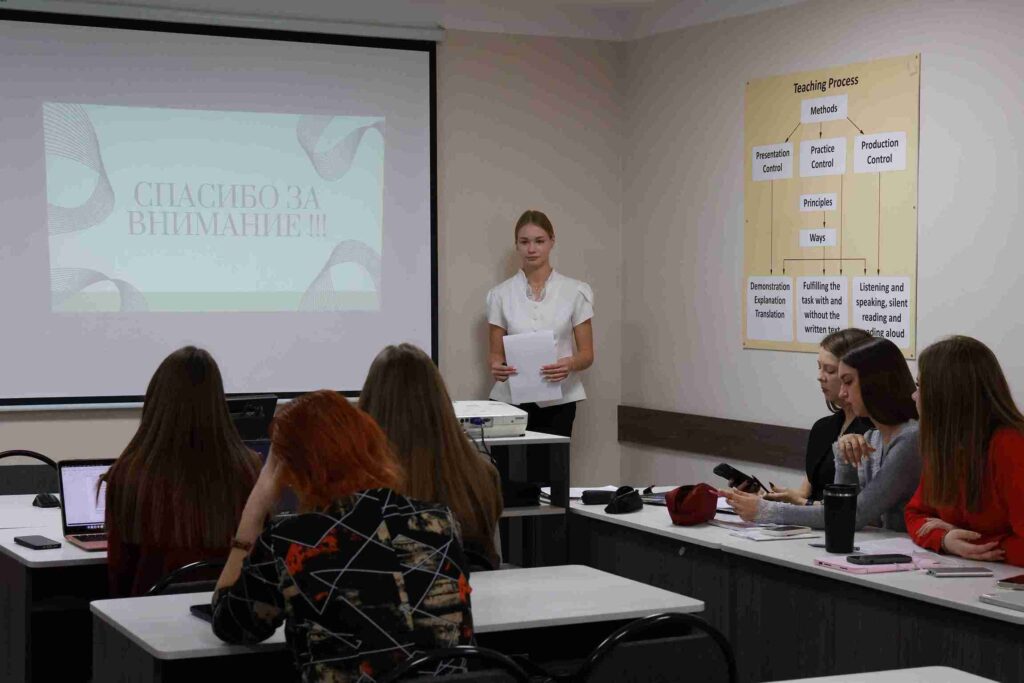
A key feature of the roundtable was its cross-year format, integrated into two core courses: “Introduction to Journalism” (for first-year students) and “Multimedia Journalism” (for third-year students). This approach combined the educational objectives of both courses, creating an environment for the practical application of professional knowledge and skills.
The event aimed to foster the professional competencies of future journalists, cultivate critical thinking, and develop the ability to handle information responsibly in an era of rapidly evolving digital media.
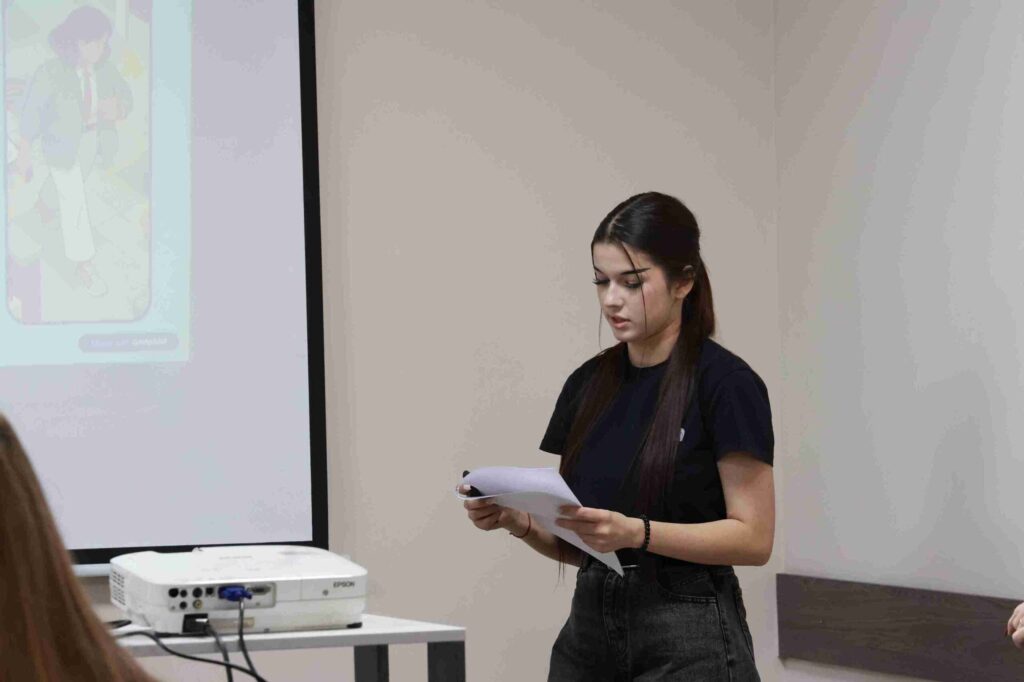
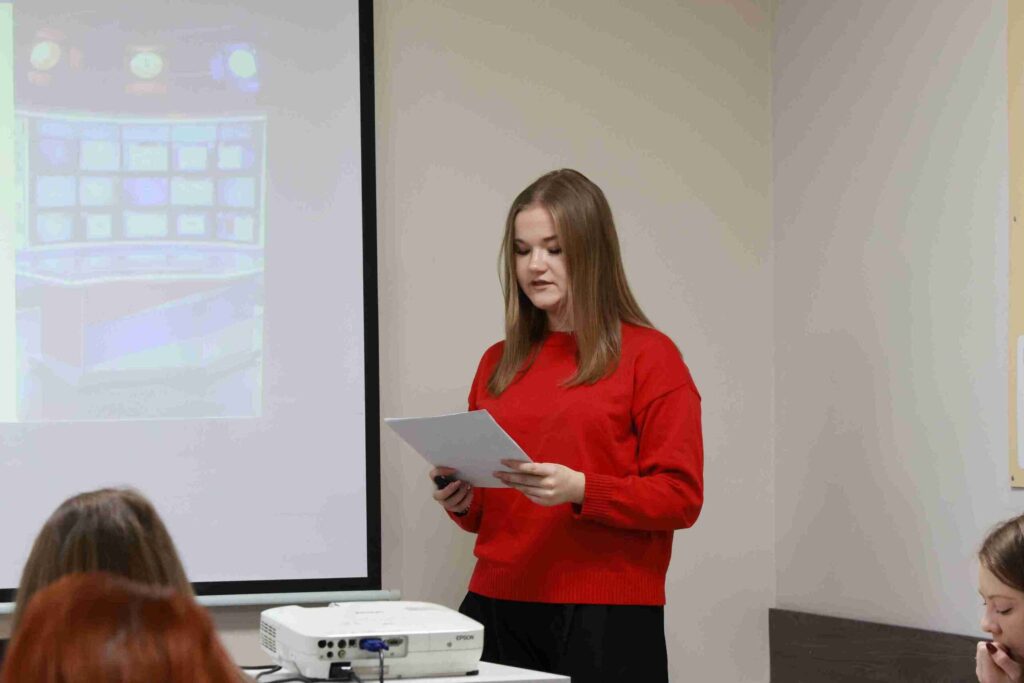
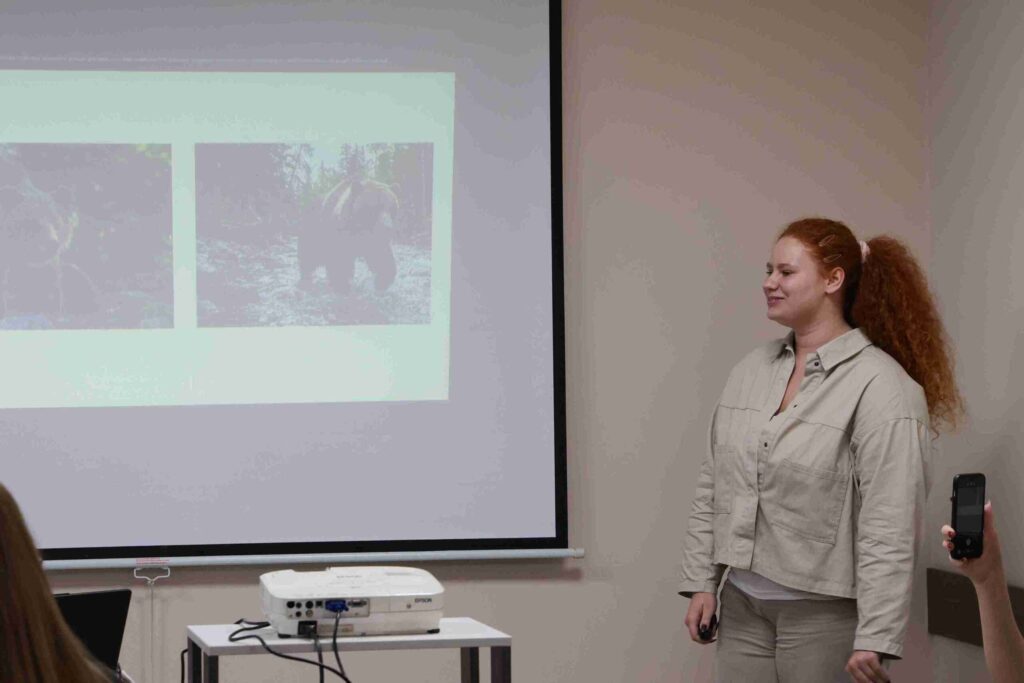
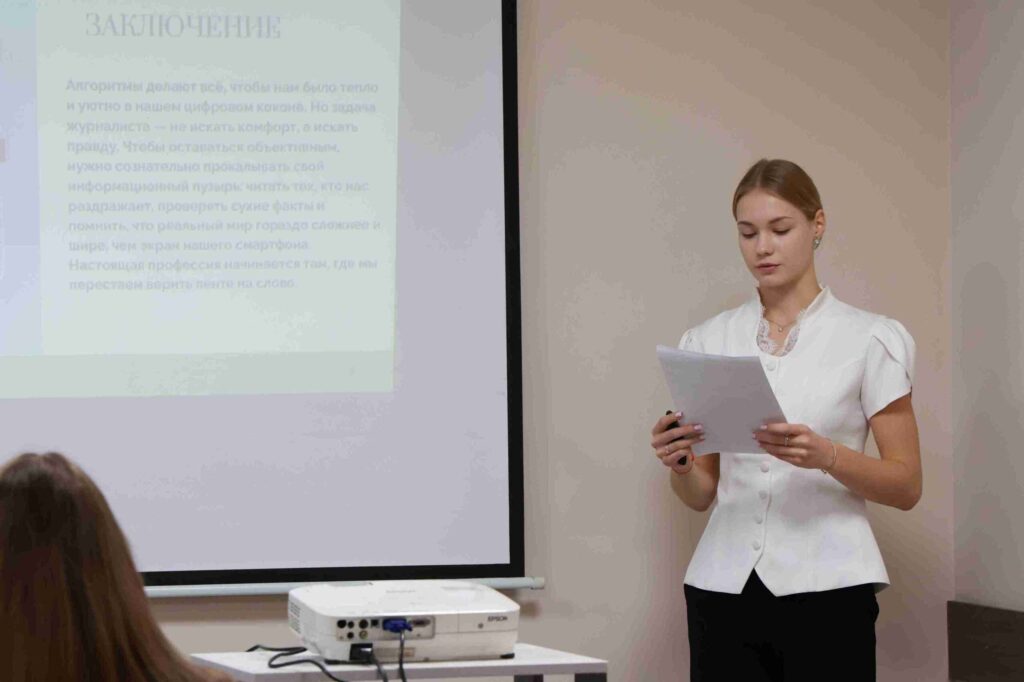
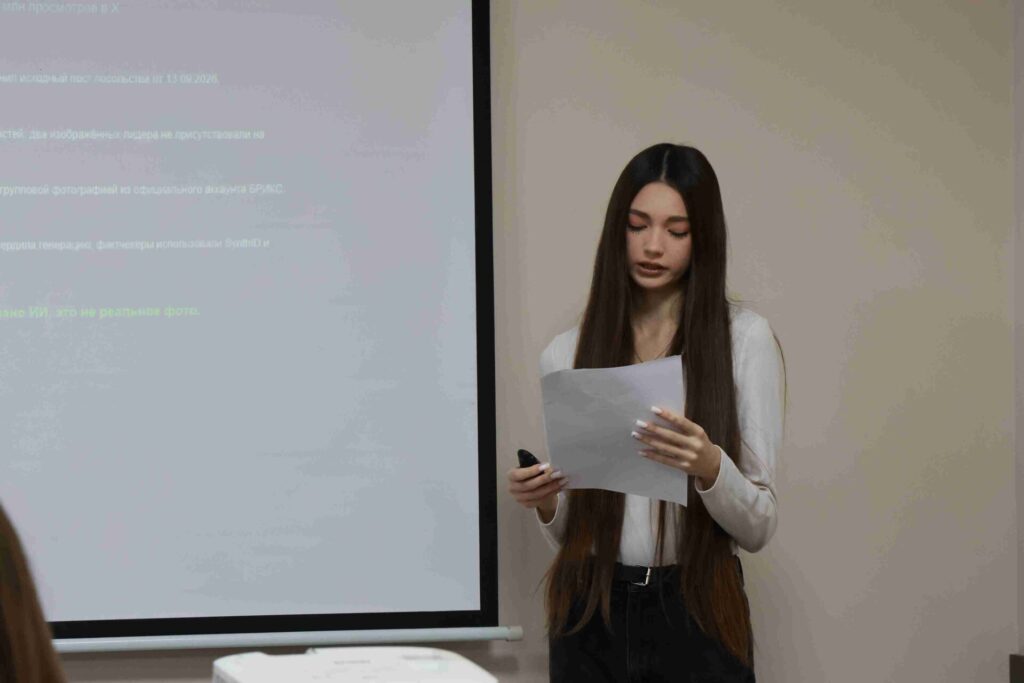
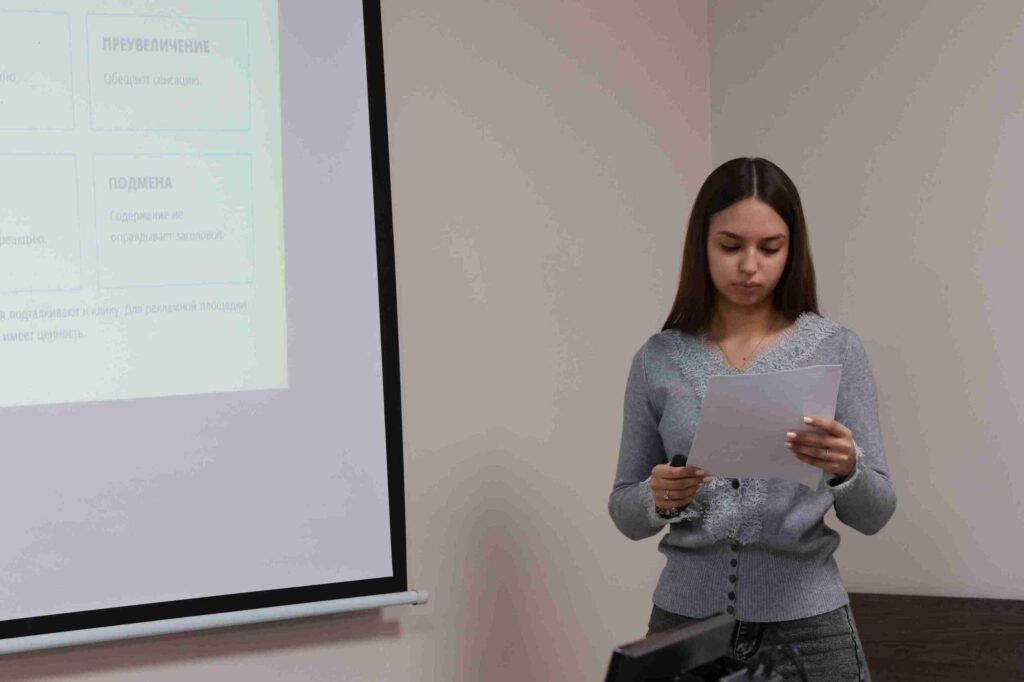
The roundtable focused on two primary themes: “Media Literacy in Modern Journalism” and “Accuracy as the Foundation of Journalism.” First-year students served as speakers, preparing their own presentations on pressing issues within the contemporary media landscape, sharing their findings, and engaging with questions from the audience.
Participants explored topics such as identifying fake news, basic fact-checking, the “attention economy” and clickbait, as well as the impact of “filter bubbles” and recommendation algorithms. Special attention was given to the opportunities and risks associated with generative artificial intelligence—including deepfakes and AI “hallucinations”—as well as cognitive traps, media framing, and the use of manipulative language. The presentations also addressed issues such as the distortion of data in infographics, conflicts of interest, covert advertising, methods for verifying user-generated content, and digital hygiene for journalists. The students emphasized that in today’s information landscape, professional journalism requires not only the ability to create content but also the capacity to critically evaluate sources, fact-check information, and distinguish reliable content from manipulative material.
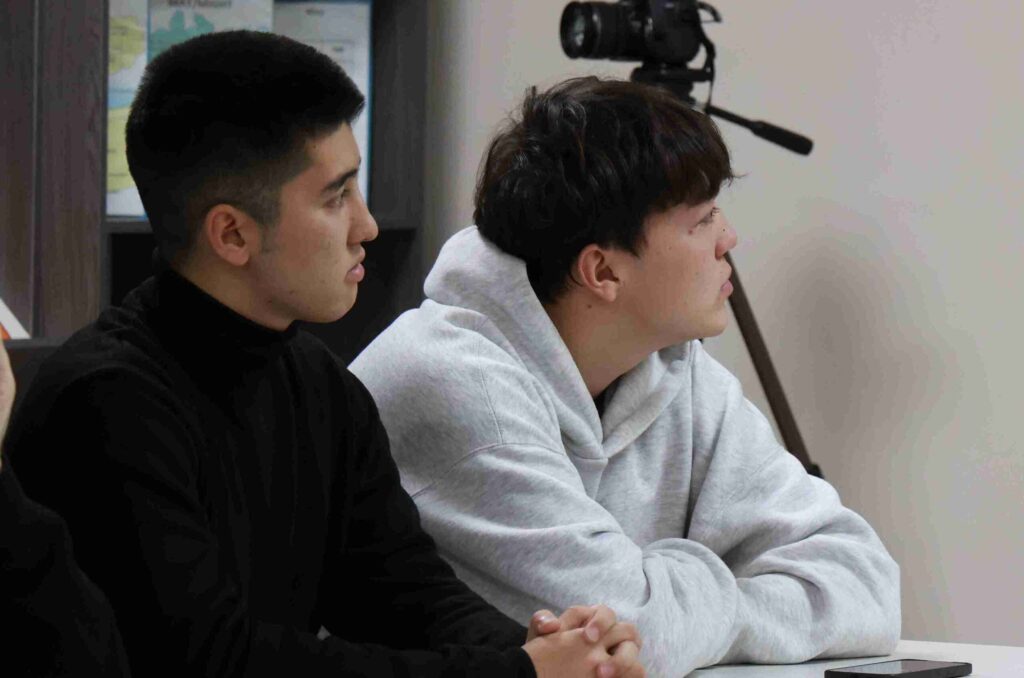
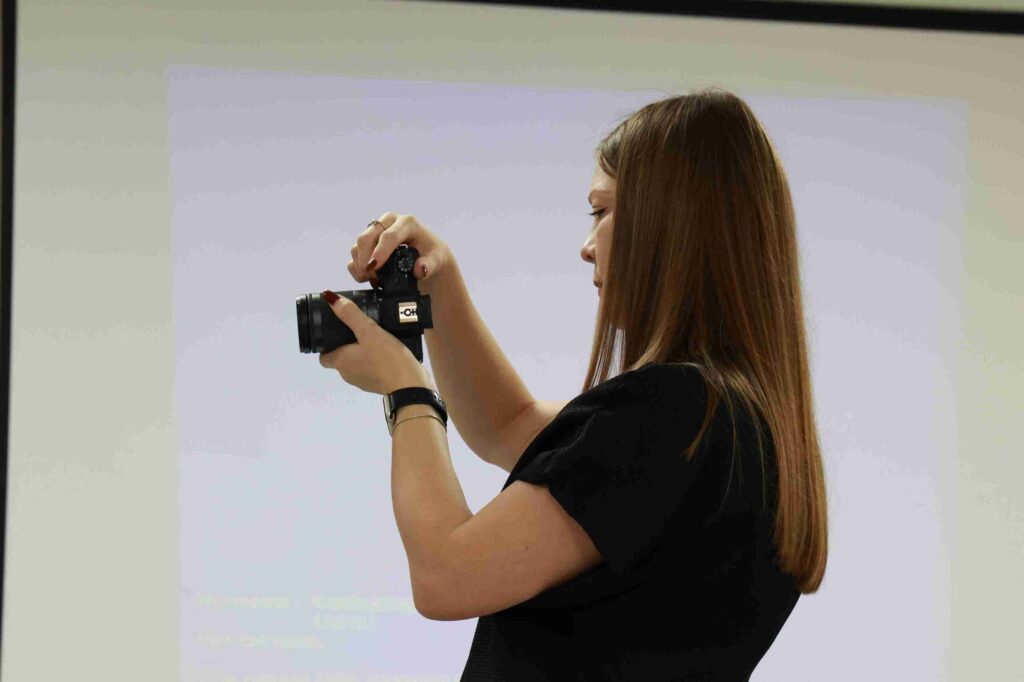
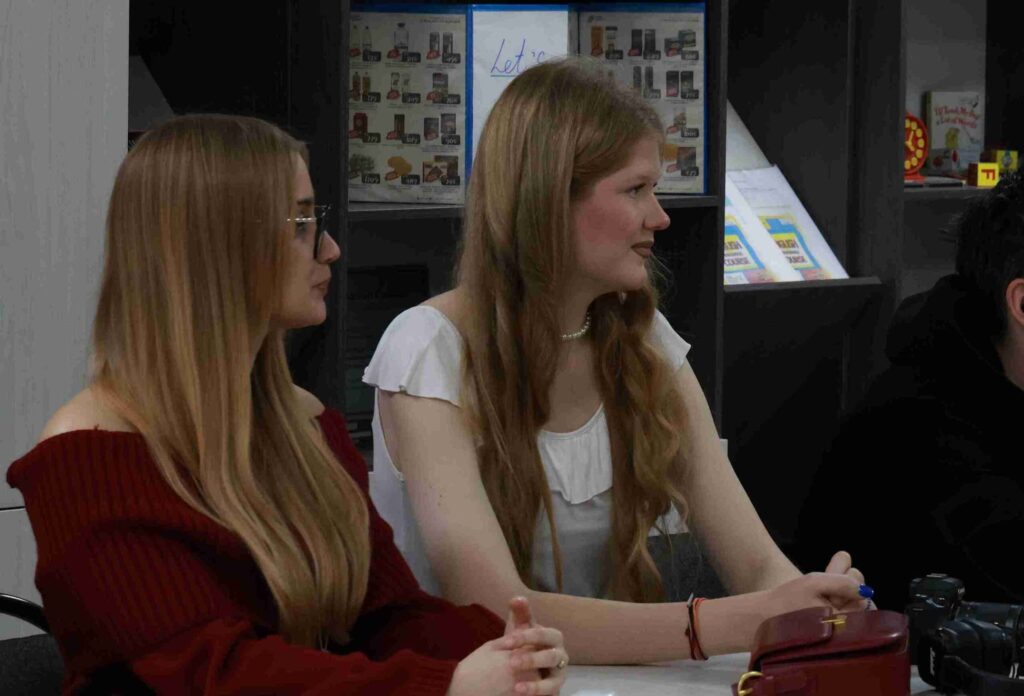
Third-year students took on the roles of working journalists, providing media coverage for the event. As part of their “Multimedia Journalism” course, they carried out professional tasks—capturing photos and videos, documenting key moments from the presentations, posing questions to speakers, and gathering material for journalistic reports and multimedia content.
First-year students gained experience in preparing and publicly presenting analytical information, while third-year students had the opportunity to apply practical skills in reporting, information gathering, photo and video production, and content creation for various media platforms.
This collaboration between the two cohorts simulated a real-world professional media environment, where some participants acted as sources and subject-matter experts, while others functioned as journalists covering an event of public significance.
The round table served not only as a forum for discussing pressing issues in media literacy but also as an example of practice-oriented learning, cross-year collaboration, and the integration of specialized academic disciplines in the training of future media professionals.
Department of Pedagogy and Psychology