Generative AI in Research: International Seminar at KAFU
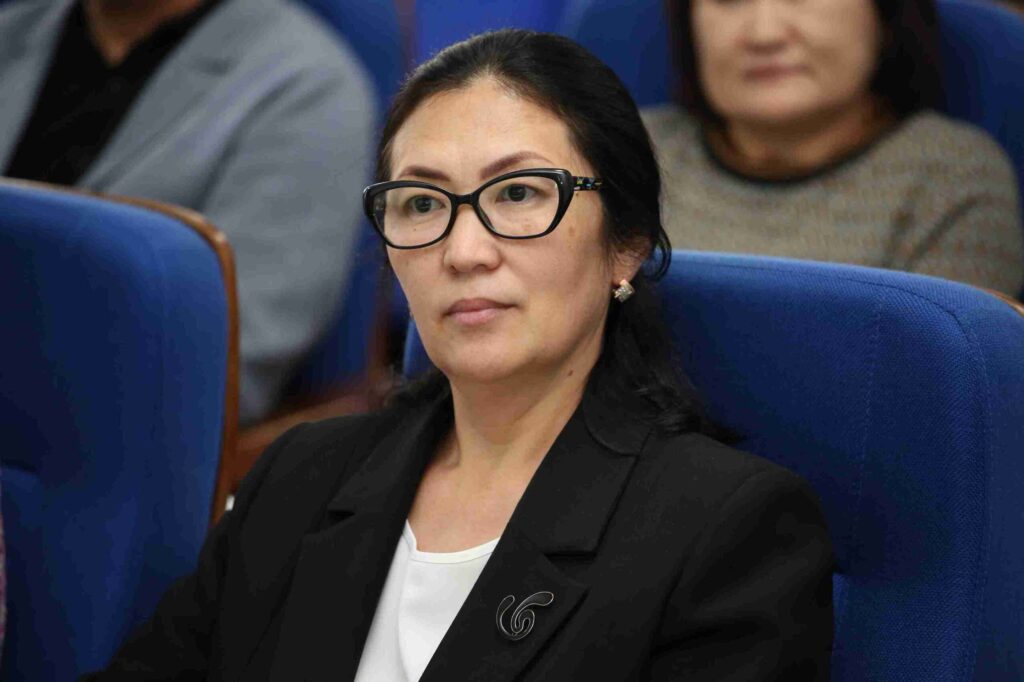
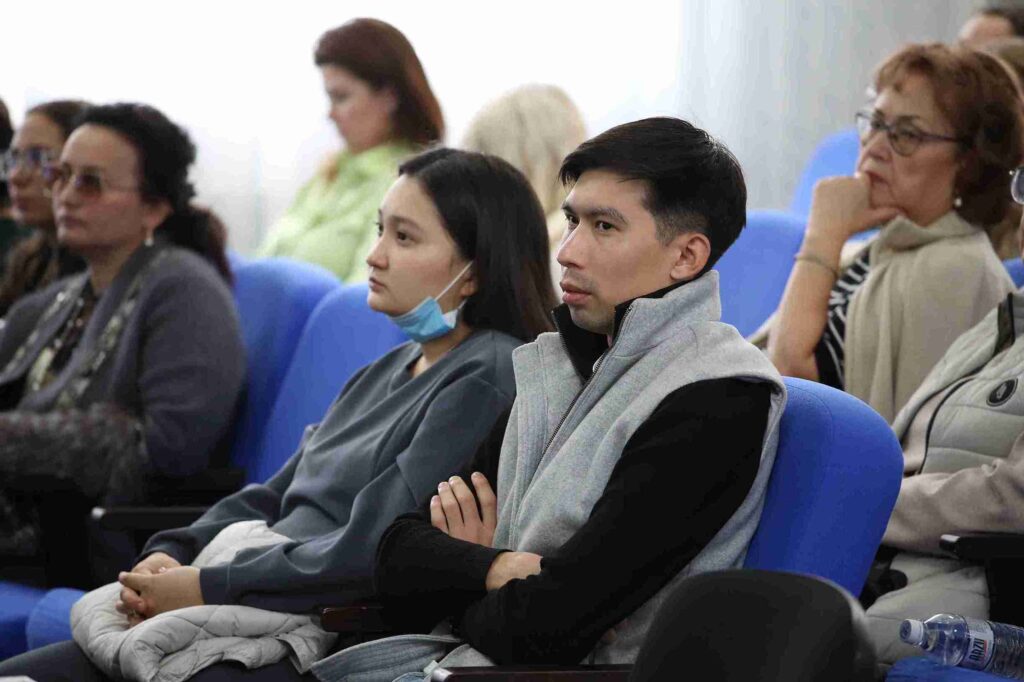
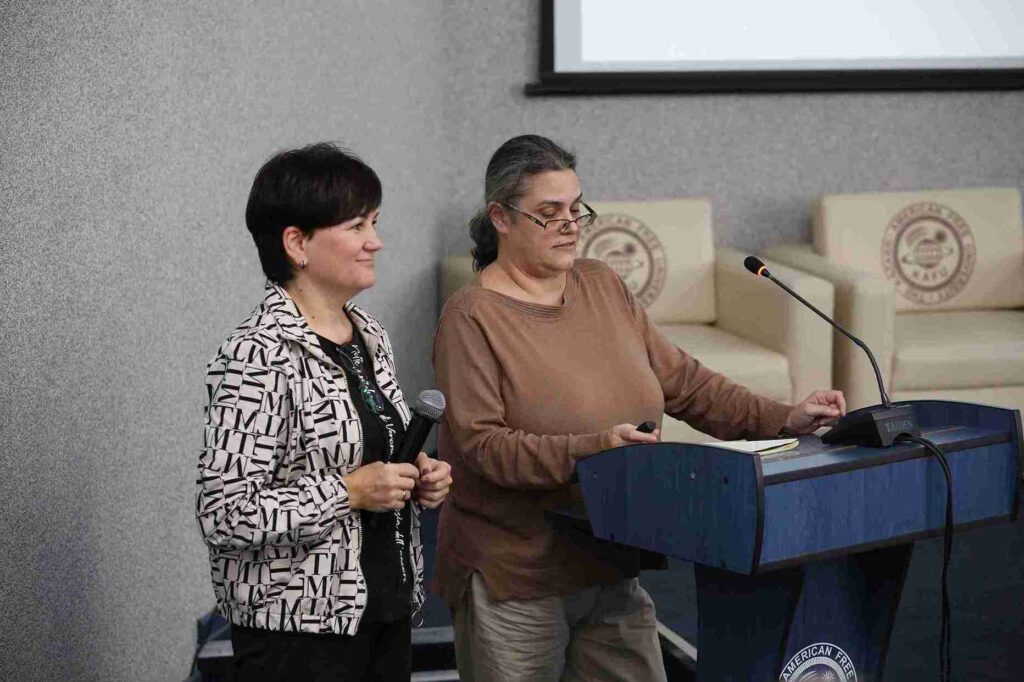
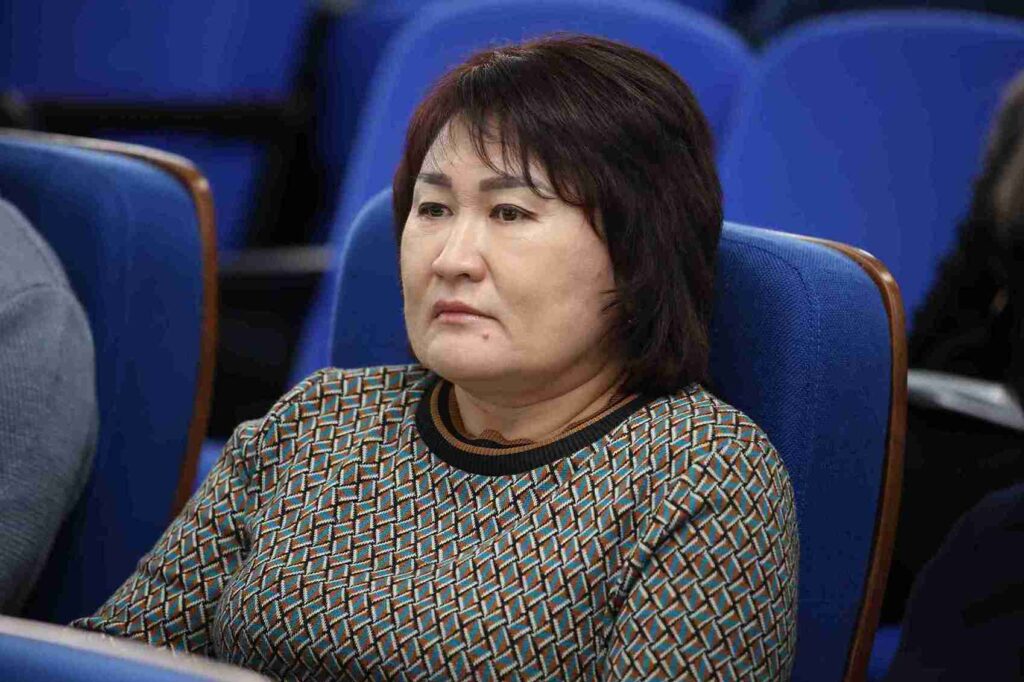
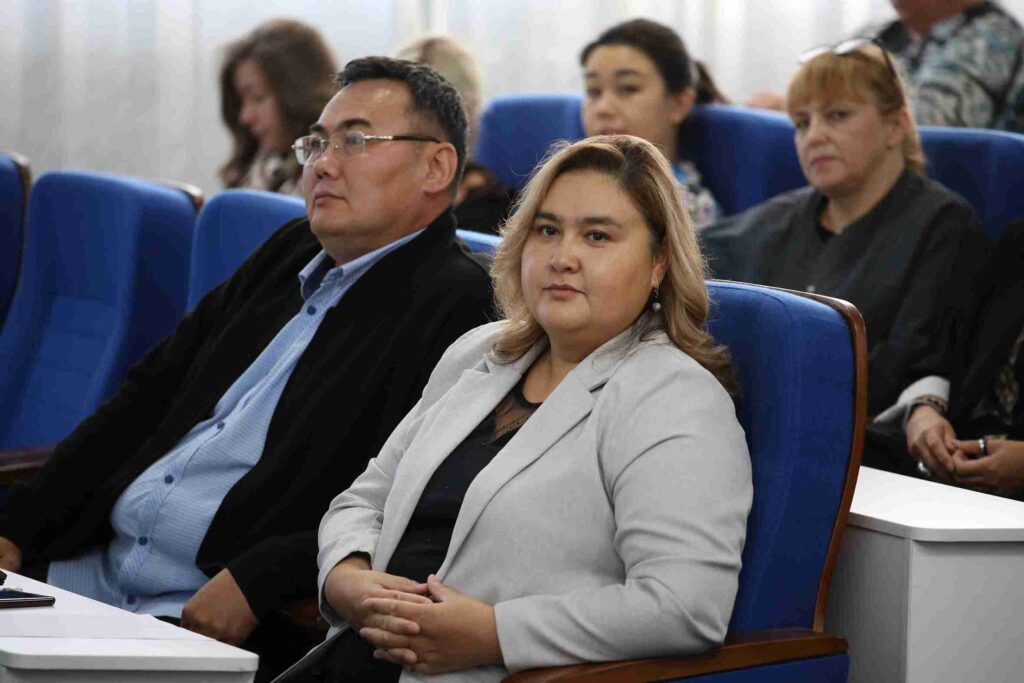
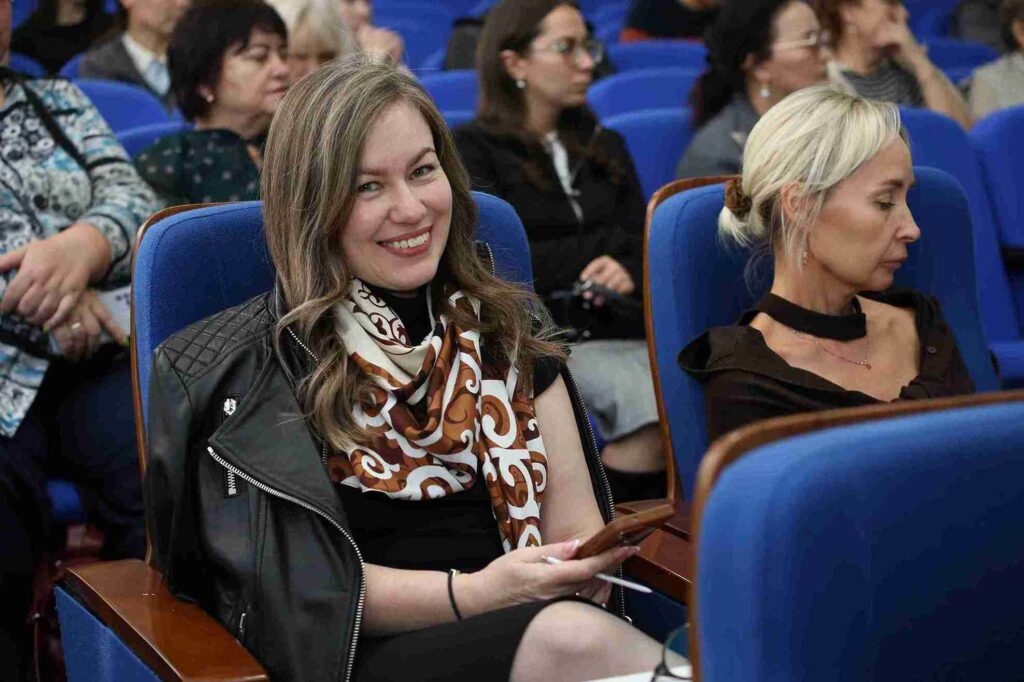
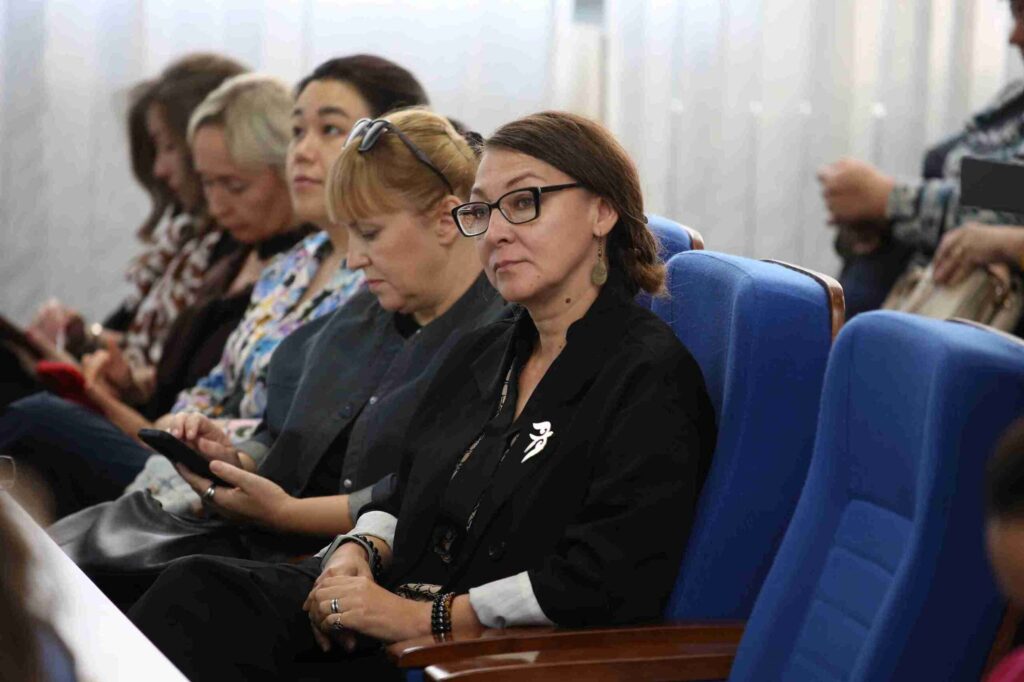
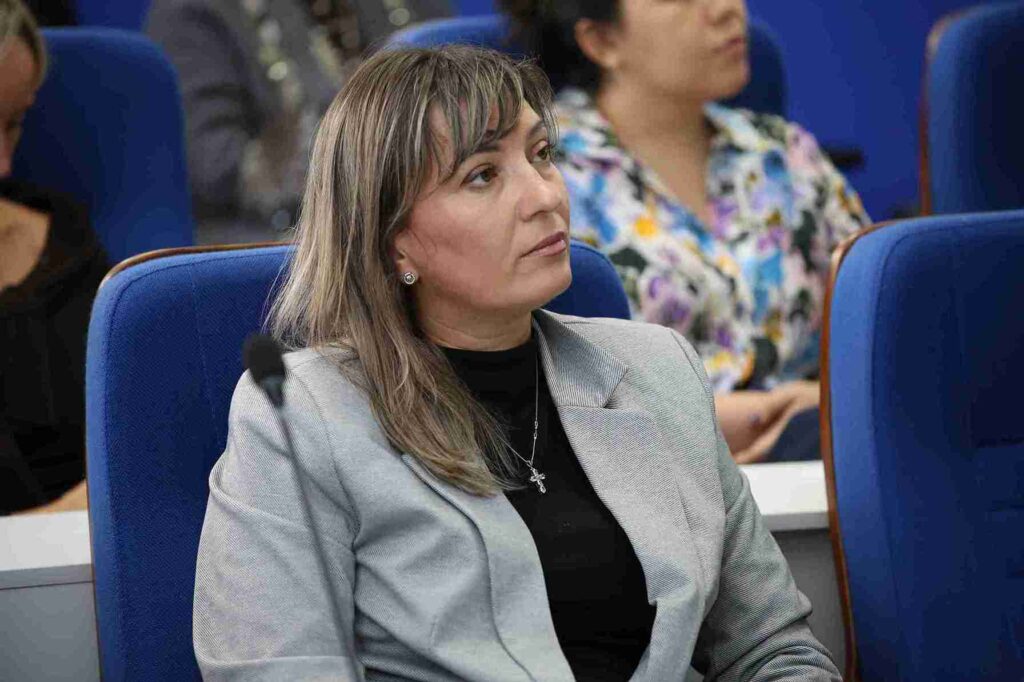
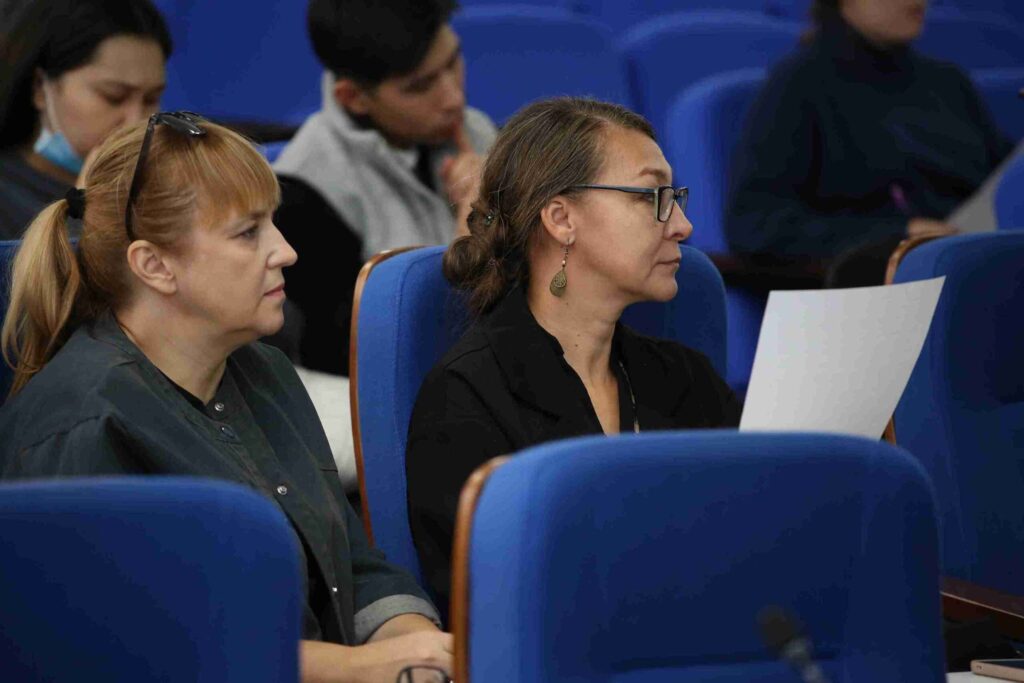
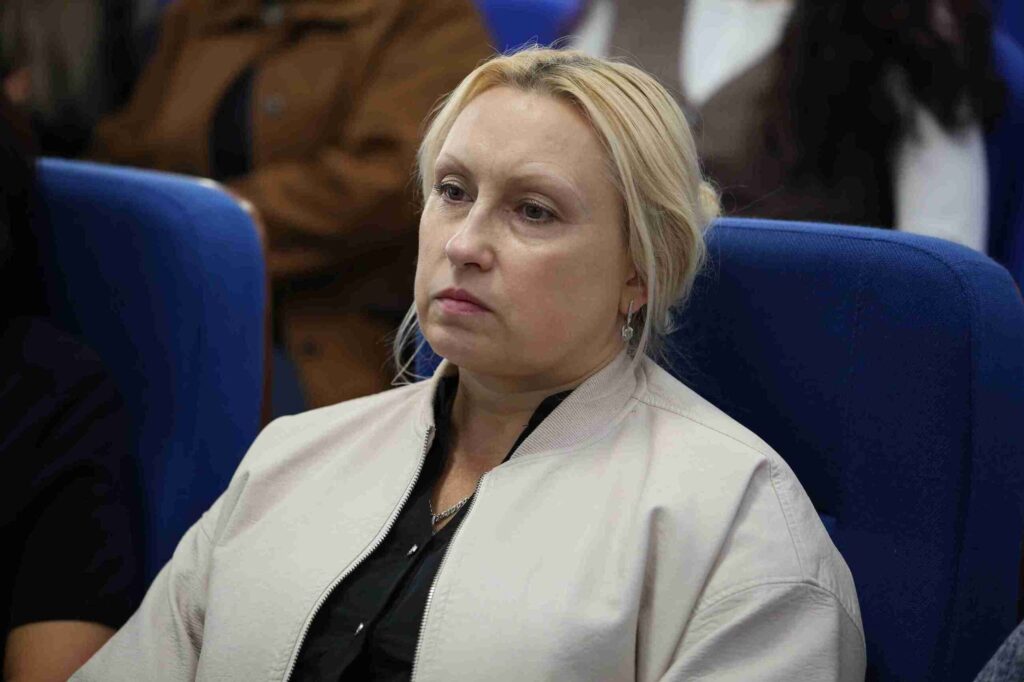
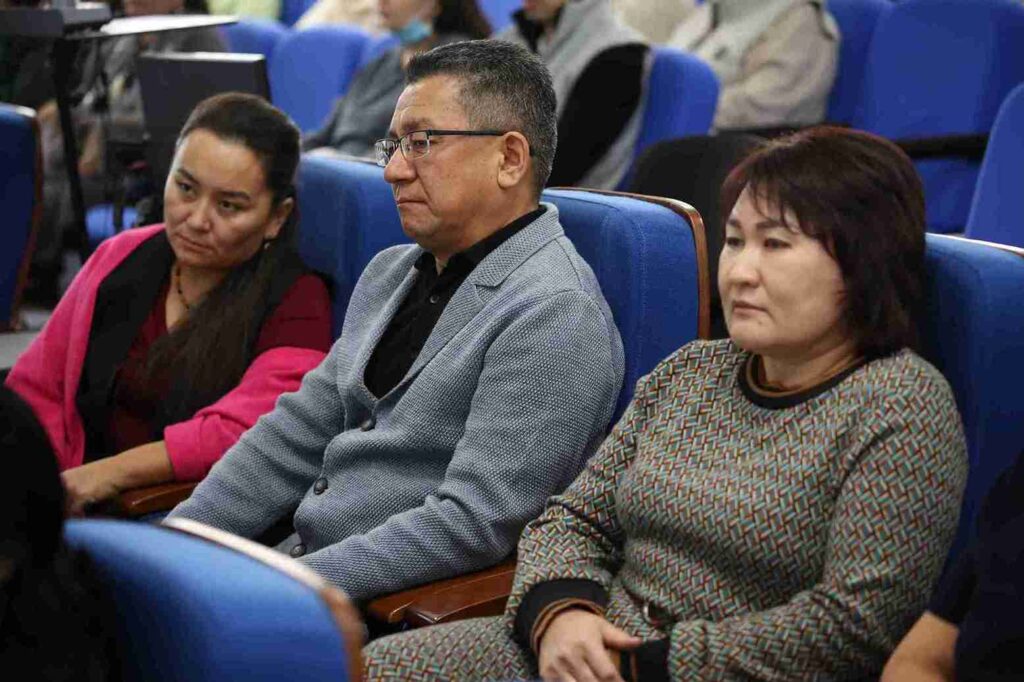
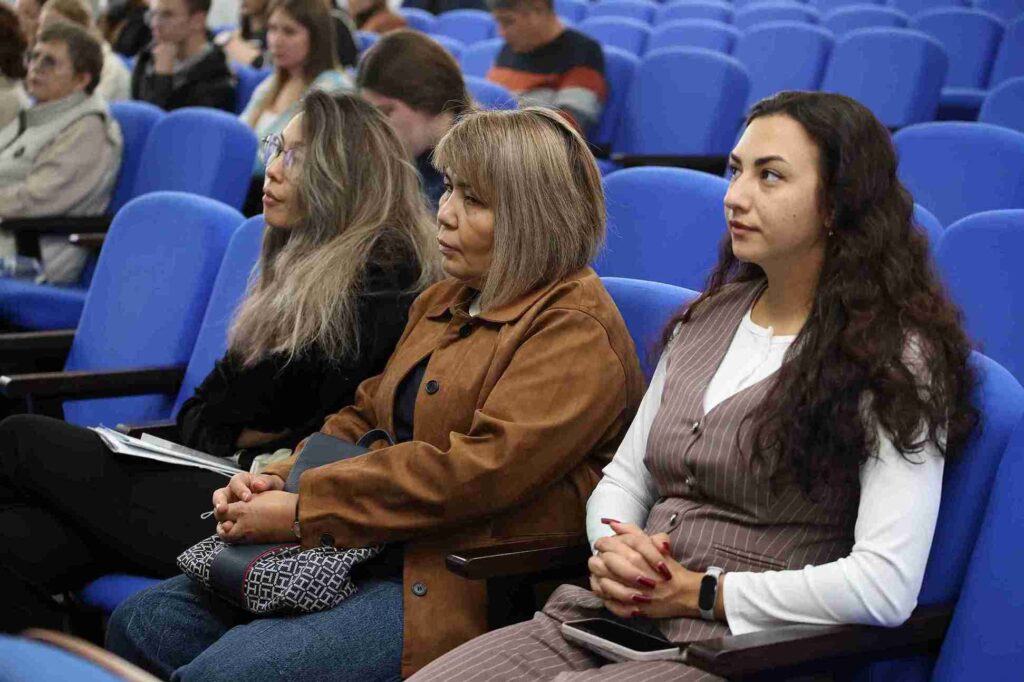
On September 30, 2026, the Kazakhstan-American Free University hosted a practical seminar entitled “Is It Really Possible? Generative Artificial Intelligence in Academic Research: Opportunities, Limitations, and Academic Ethics” as part of the International Scientific Congress “The Future of Science and Education: International Experience, Innovation, and Leadership.”
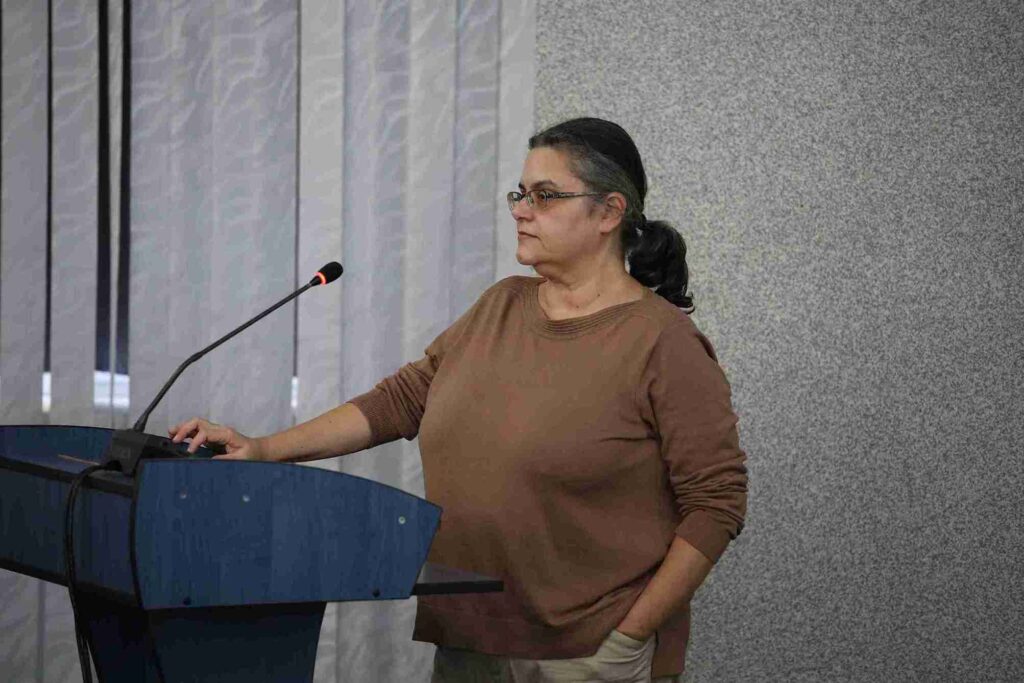
The speaker was international expert Christiane Giovannini, PhD, Professor, and Deputy Editor of the International Journal of Law in a Changing World, based in Rio de Janeiro, Brazil.
The seminar focused on the reliability of AI-generated information, challenges related to academic ethics, and the role of artificial intelligence in research. The expert emphasized that AI can be an effective tool for reading and analyzing texts and large datasets when provided with precise instructions. However, these technologies should serve only as auxiliary tools and must never replace the intellectual work of the researcher.
The practical session demonstrated the challenges involved in critically evaluating content generated by neural networks. Particular attention was also given to academic integrity and regulation. Many international academic journals, especially in medicine and the exact sciences, are already introducing strict guidelines governing the use of generative AI technologies in article preparation.
The professor also addressed the risks of using AI during the peer-review process, highlighting concerns about confidential data leaks and uncertainties surrounding copyright protection.
The seminar concluded with a detailed analysis of common errors. Participants were shown practical methods for verifying bibliographic data and original sources. During the open discussion, attendees explored responsible approaches to working with modern technologies and agreed on the importance of personally verifying all information generated with the assistance of artificial intelligence.