Kazakhstan People’s Council: A Platform for Dialogue Between Society and the State
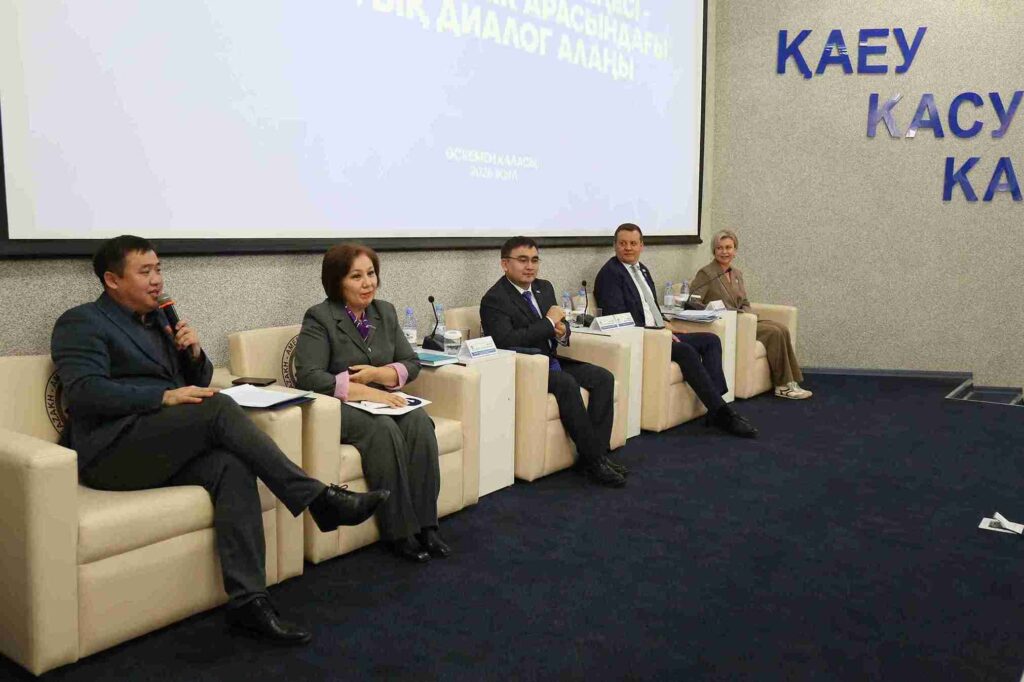
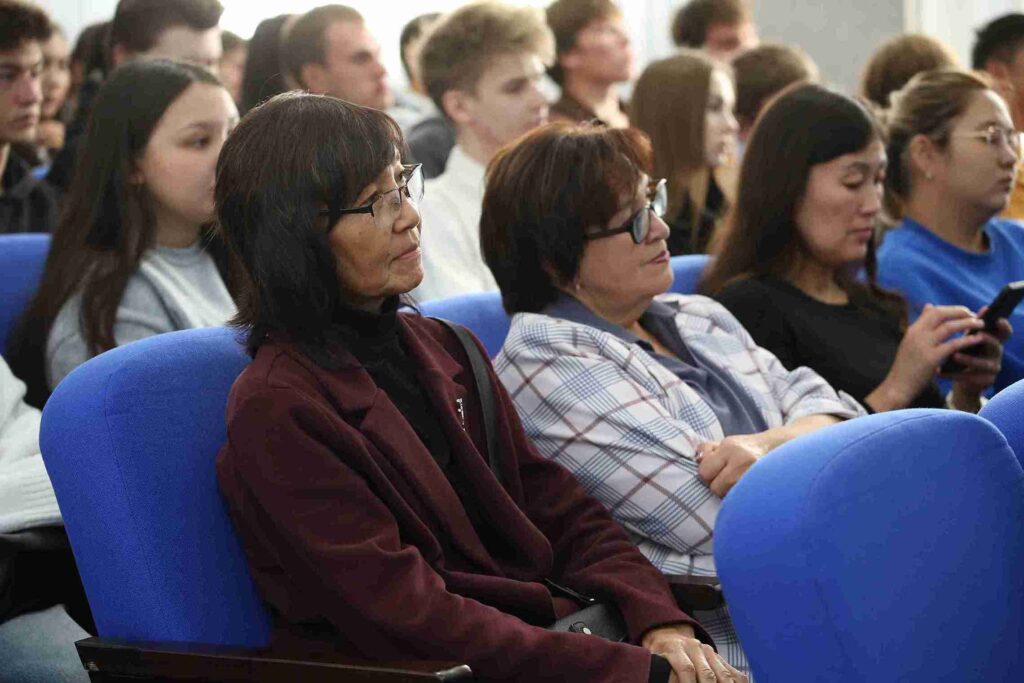
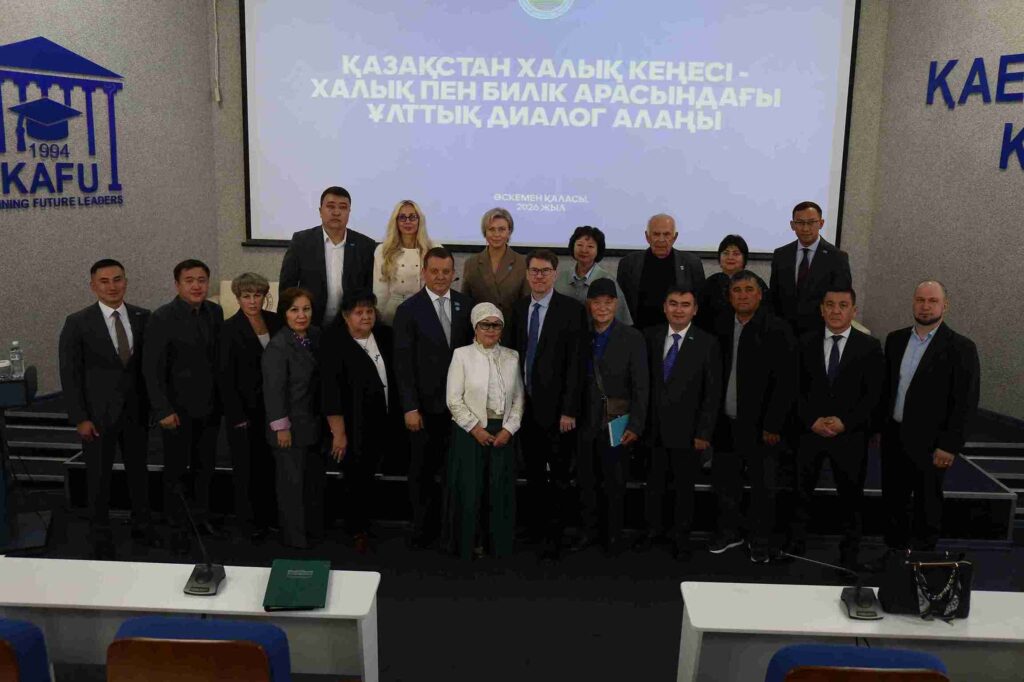
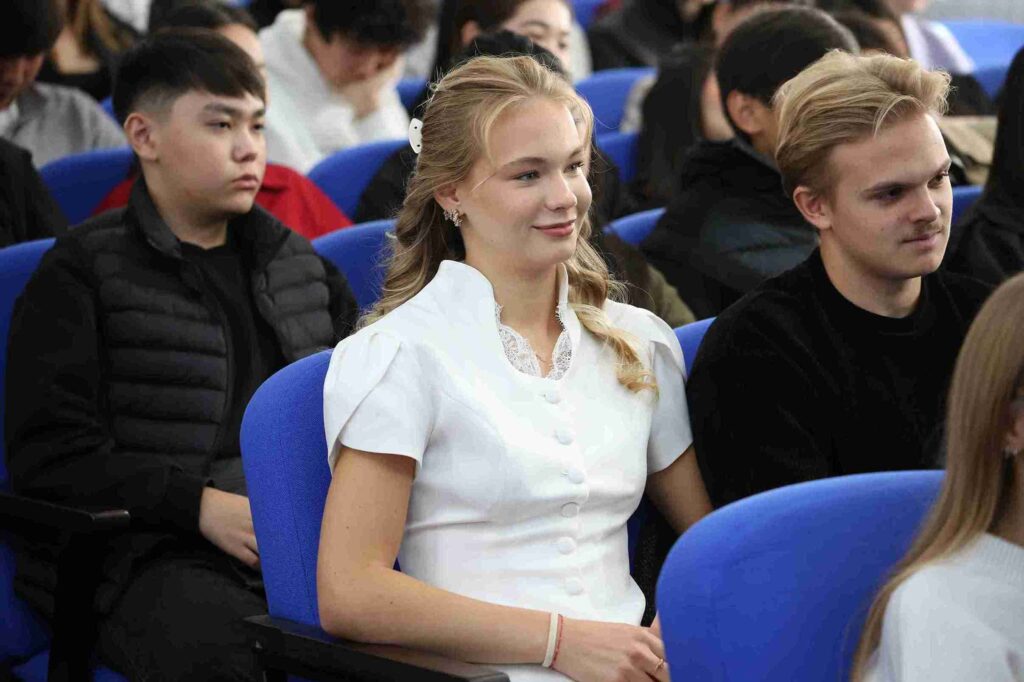
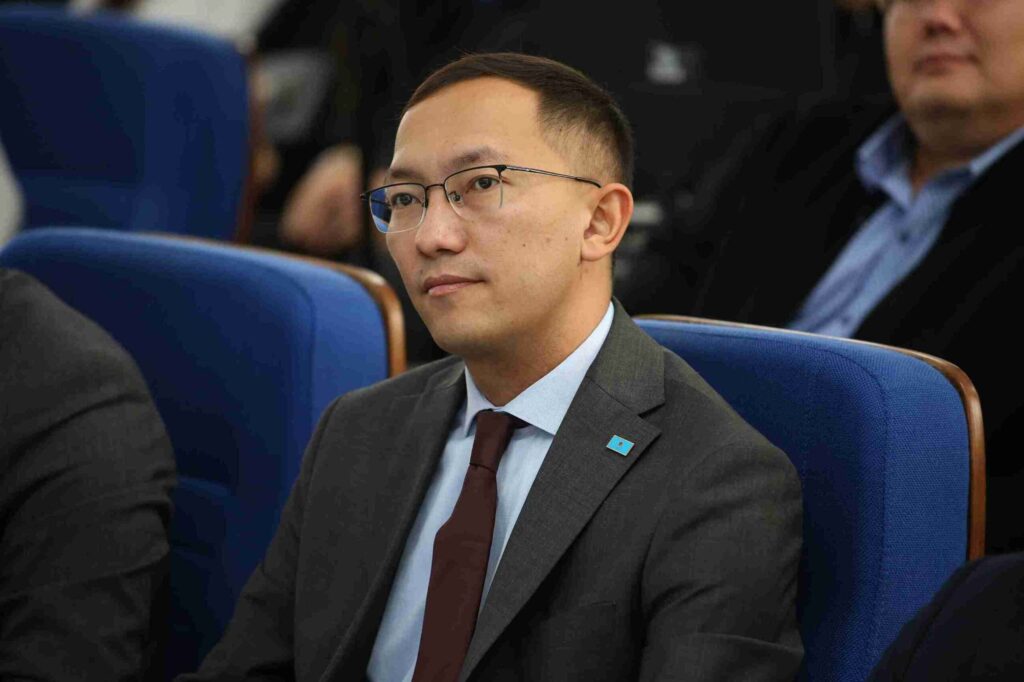
On September 30, 2026, a meeting dedicated to the activities of the Kazakhstan People’s Council—a new constitutional institution—was held at the Kazakh-American Free University (KAFU). Participants discussed its role in fostering nationwide dialogue, representing regional interests, and strengthening interaction between society and the state.
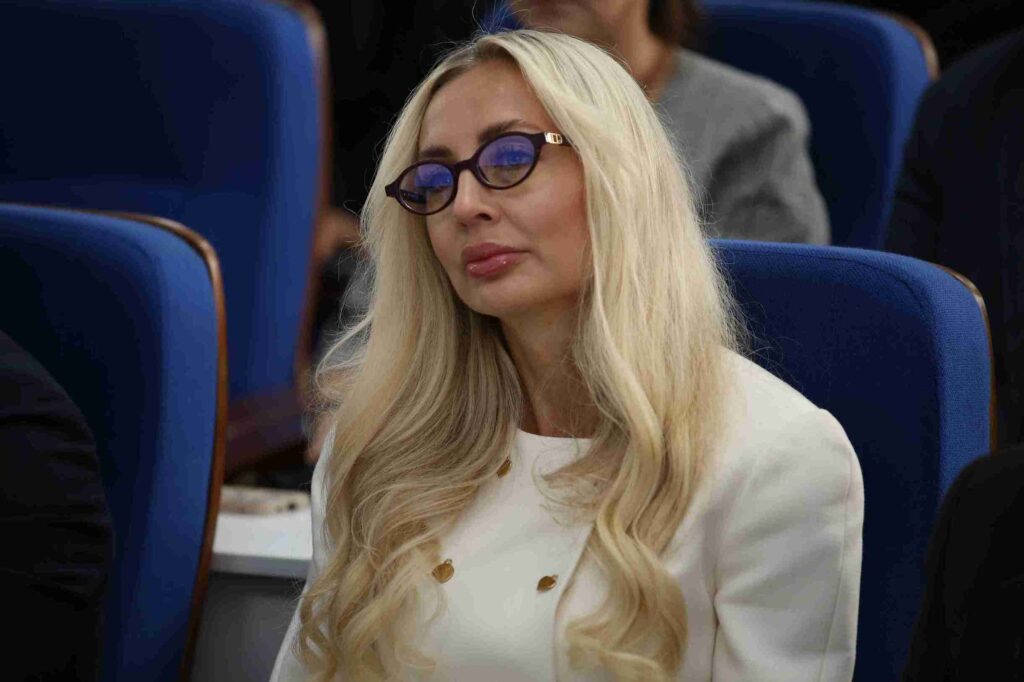
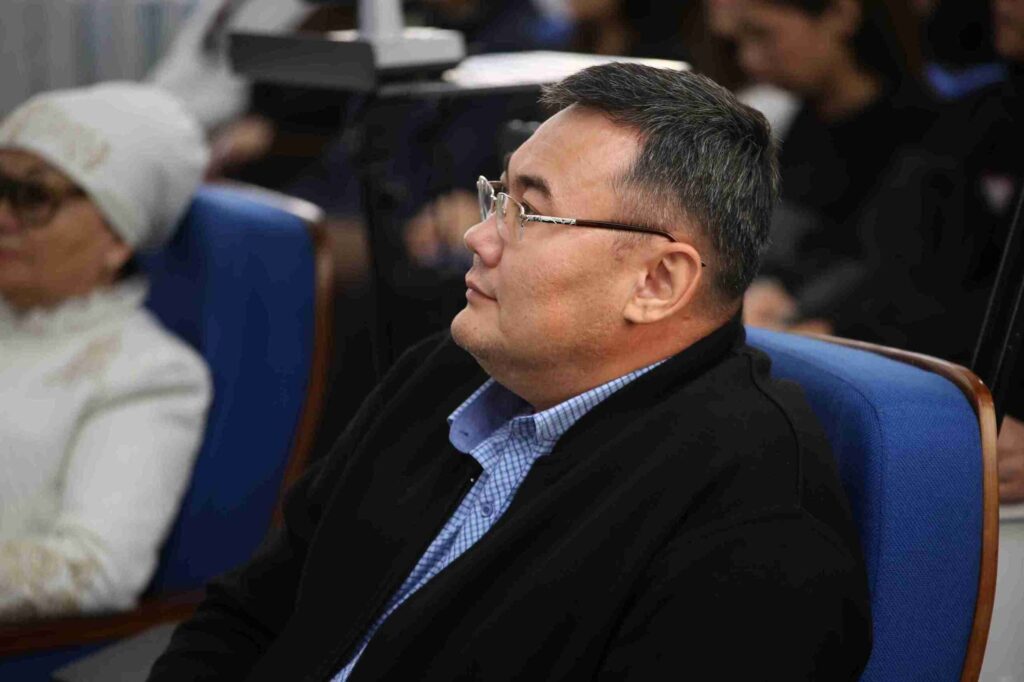
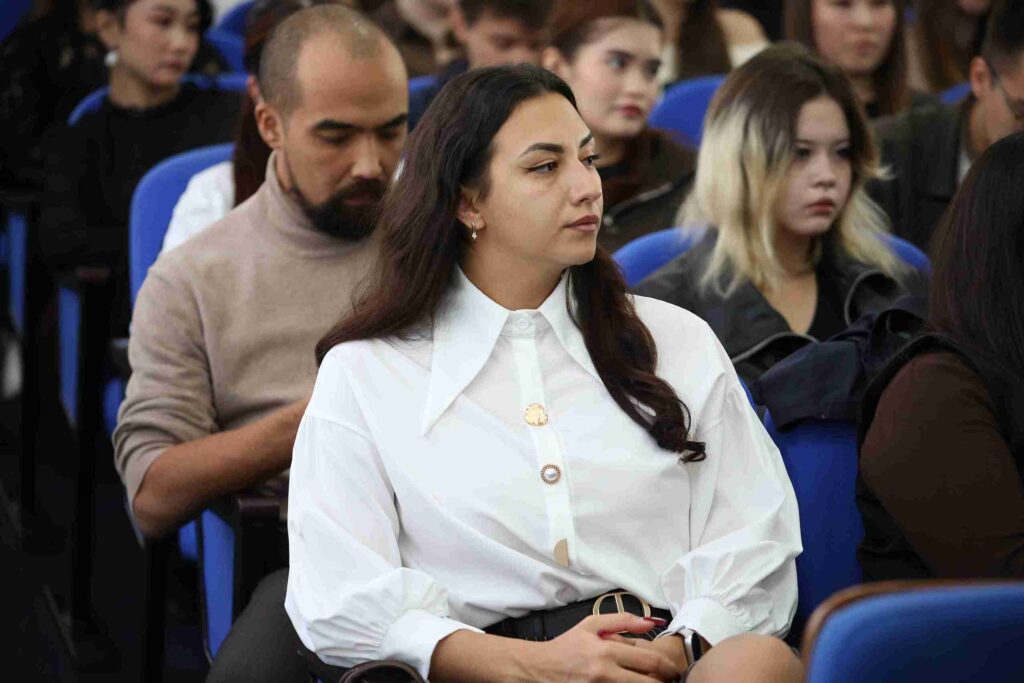
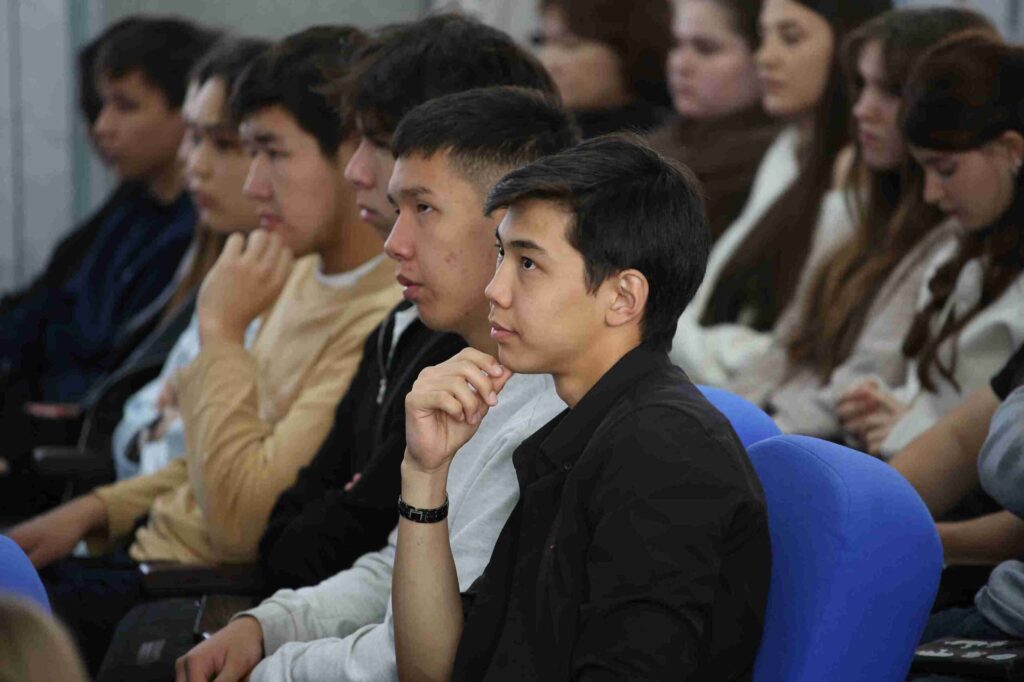
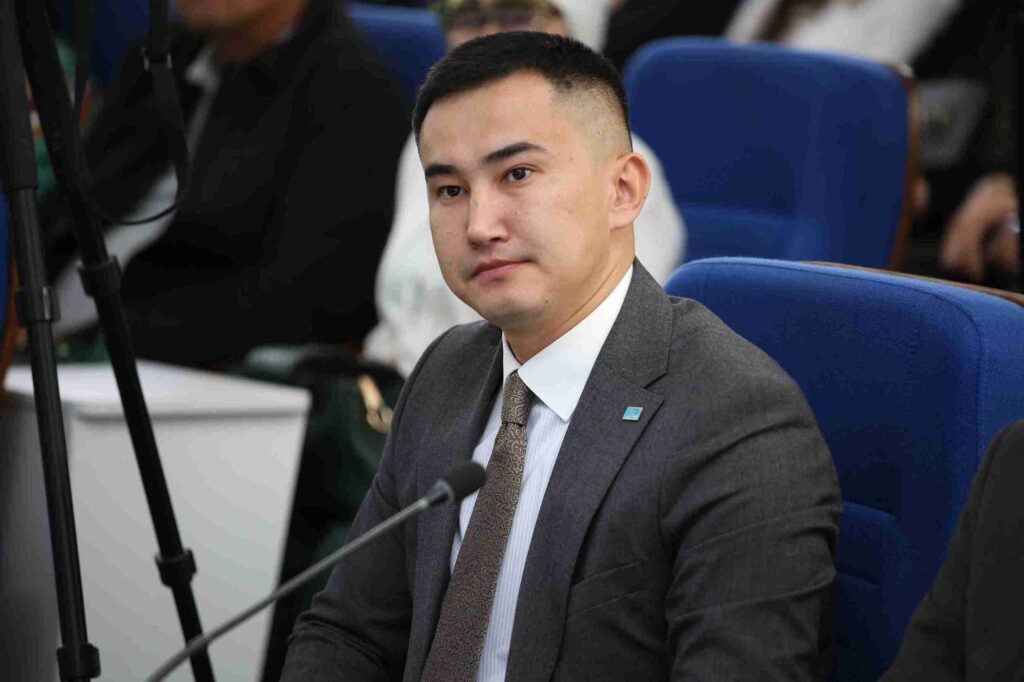
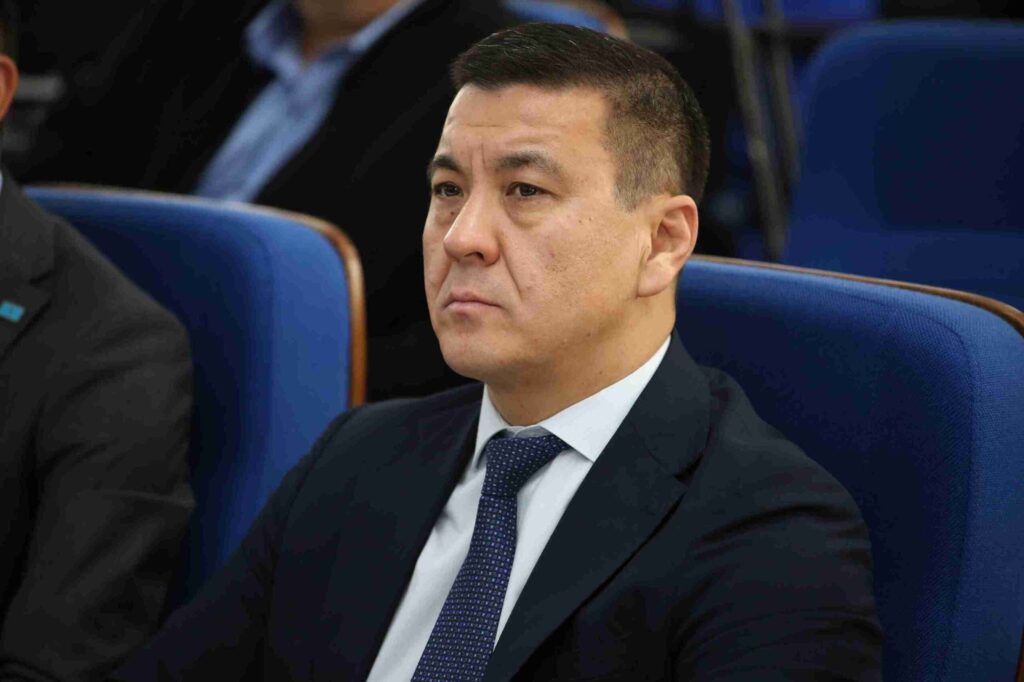
Attendees included Aidar Se. Sadyrbayev, Deputy Governor of the East Kazakhstan Region; Denis S. Rypakov and Vera N. Pravdina, members of the Kazakhstan People’s Council; Zhanat Zh. Mekeyeva, Chair of the East Kazakhstan regional branch of the “Adilet” party; as well as representatives of public associations, faculty members, and KAFU students.
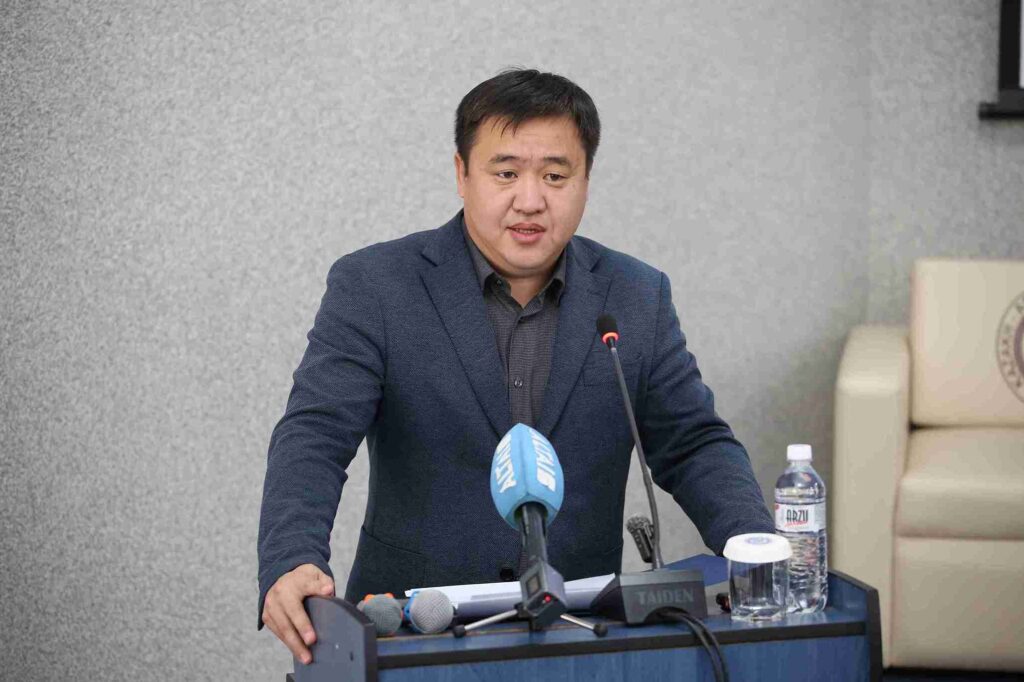
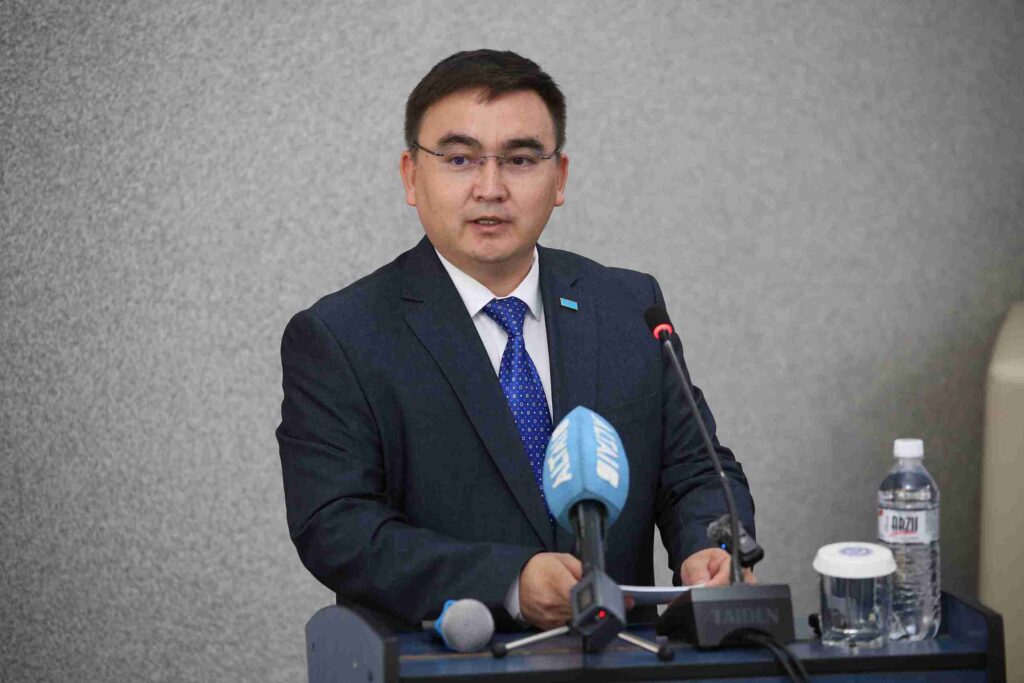
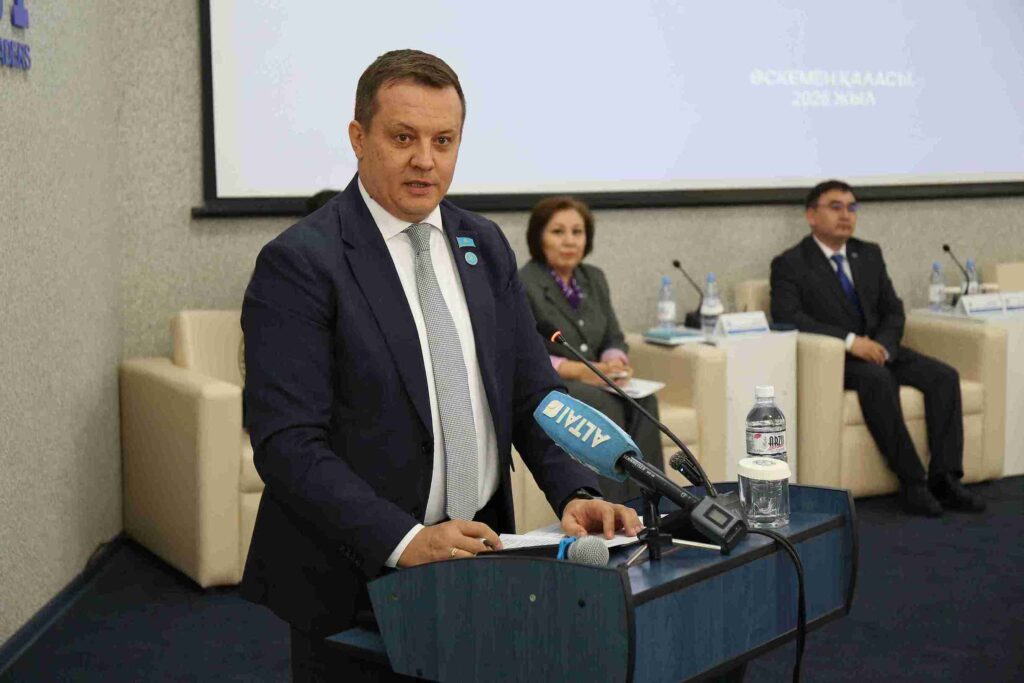
Zhassulan Y. Baikenov, First Vice-President of KAFU, delivered the welcoming remarks. He emphasized the importance of open public dialogue and highlighted the pivotal role of the university environment in shaping the civic stance of young people. He noted that students should not only acquire professional knowledge but also actively participate in public life, propose initiatives, and take responsibility for the country’s future.
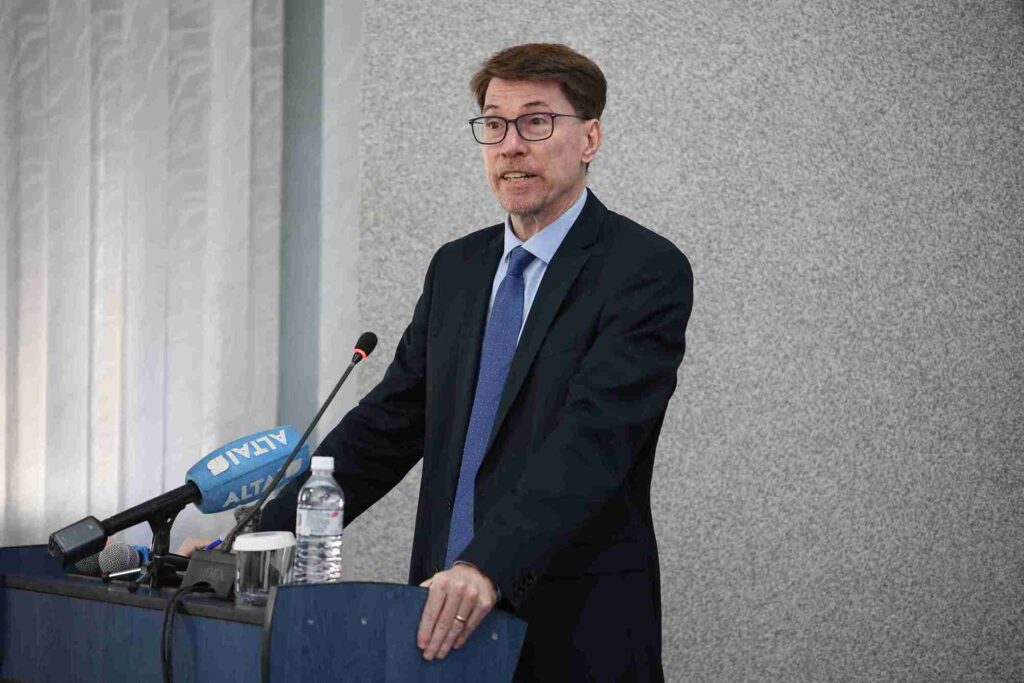
Daniel Ballast, KAFU Vice-President for International Programs and Cooperation, also addressed the participants. In his speech, he underscored the value of open dialogue, mutual respect, and a willingness to cooperate. He placed special emphasis on the university environment as a setting where young people learn to listen to diverse viewpoints, find solutions collaboratively, and demonstrate a responsible civic attitude. The meeting emphasized that the People’s Council of Kazakhstan should serve as an open platform uniting representatives from regions, *maslikhats* (local representative bodies), public councils, ethno-cultural associations, and civil society institutions. Its membership comprises 126 individuals representing diverse professional and social groups.
Participants paid special attention to the principle of “Diverse opinions – one nation.” Respect for differing viewpoints, a willingness to listen to one another, and a commitment to jointly seeking constructive solutions are to form the foundation of social unity.
Representing the interests of East Kazakhstan at the national level was a key topic of discussion. Participants highlighted the need to take regional specifics into account, support the development of border areas, improve rural infrastructure, and create decent conditions for young professionals. Measures to attract graduates to remote areas—including expanded social guarantees and professional development opportunities—were also discussed in detail.
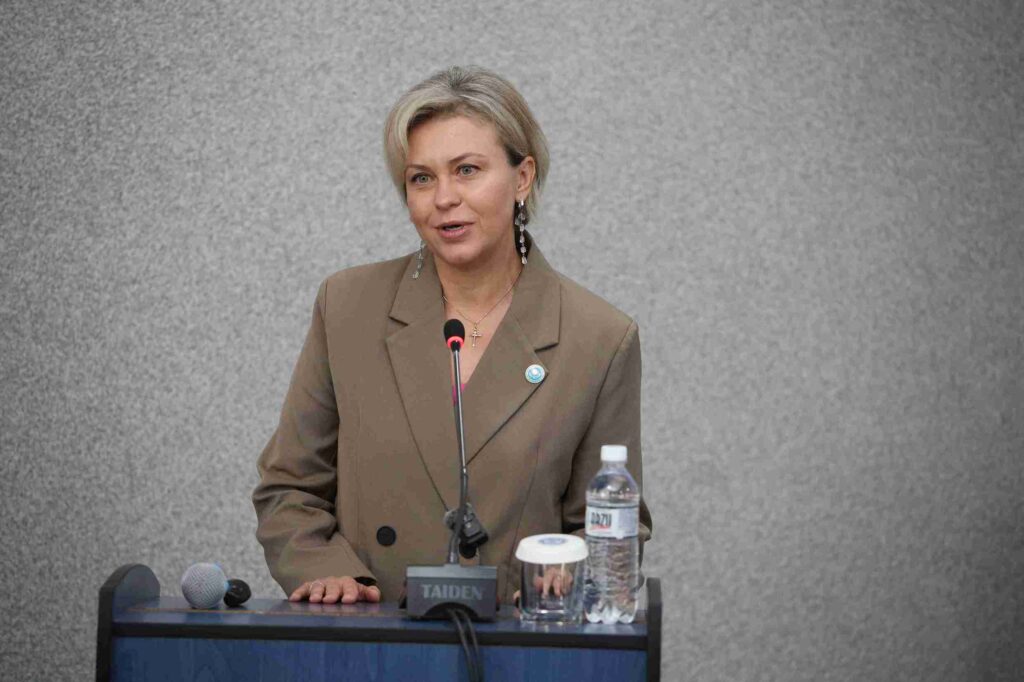
Yulia A. Gavrilova, Vice-Rector for Research at KAFU, raised the issue of supporting regional research. She proposed exploring additional funding mechanisms for research at regional universities—measures that would support young scientists and curb the “brain drain” to universities in the capital. Meeting participants noted that this initiative could be formally drafted for further consideration within the framework of the Kazakhstan People’s Council.
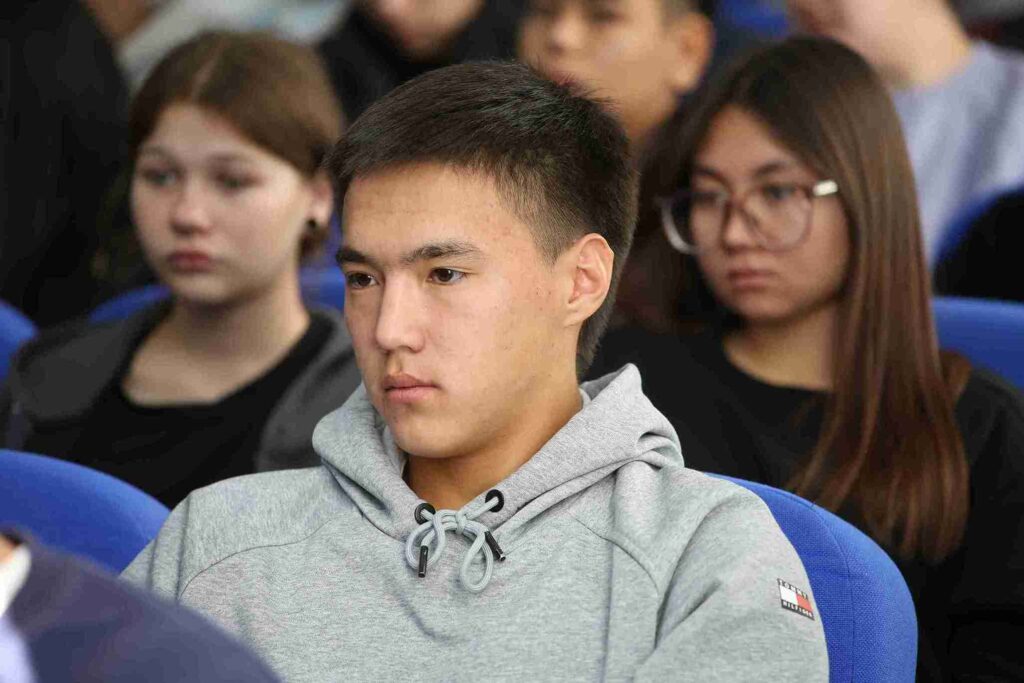
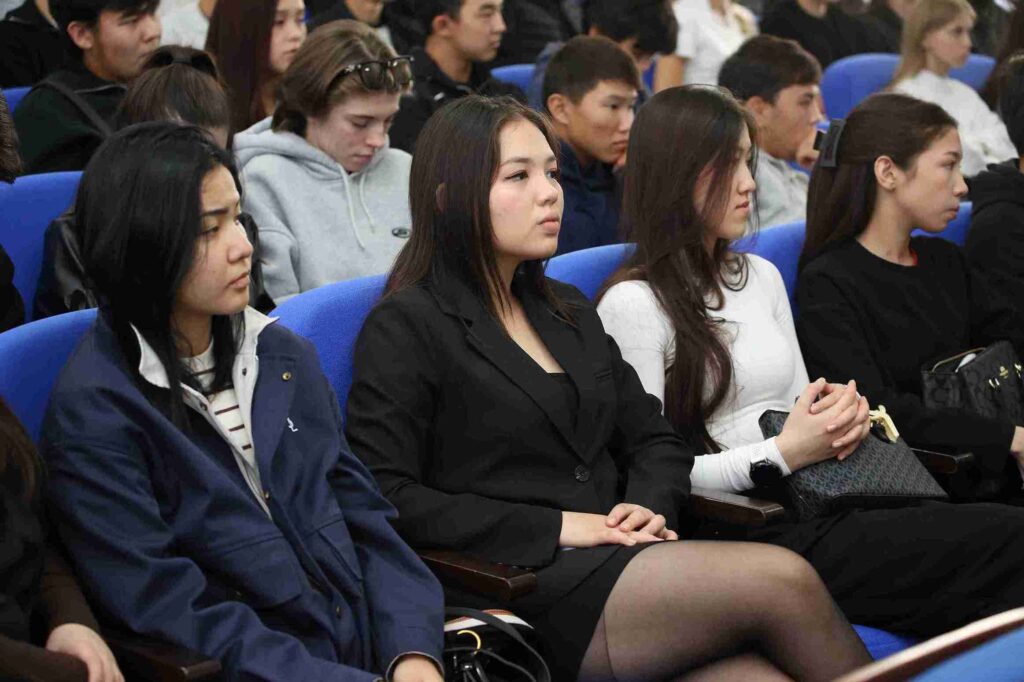
The role of youth was a significant topic of discussion. Students were urged not to remain passive observers but to participate actively in civic life, propose ideas, and highlight issues of concern to the younger generation.
During the meeting, Denis S. Rypakov proposed establishing a Youth Council at the university, linked to the activities of the Kazakhstan People’s Council. This body could serve as a platform for discussing education and civic life, developing student initiatives, and advancing the most significant proposals to regional and national levels.
Speakers emphasized that the university serves as a vital space for open dialogue. It is here that young people not only acquire professional knowledge but also shape their civic stance, learn to articulate their views with reasoned arguments, respect diverse perspectives, and take responsibility for the shared future.
The meeting concluded with an open exchange of views. Participants discussed the prospects for the new institution’s work, emphasizing that its effectiveness would depend on active civic engagement, the substance of proposed initiatives, and continuous feedback between the regions, society, and the state.